江戸 · 1603–1868
The Edo table
The golden age of street food: soba stands, sushi stalls, and a million hungry commuters.
 飲
飲Drinks · 10 min · Beginner
Hot Yuzu Honey柚子はちみつ湯
A hot, non-alcoholic yuzu-and-honey drink from Kōchi's mountain groves — the winter-solstice citrus of Umaji village, warmed into a cup against the cold.
 飲
飲Drinks · 10 min · Beginner
Kanzake燗酒
How to warm sake properly — the gentle water-bath method, the temperature names from hitohada-kan up, and why Niigata's crisp jizake rewards the ritual.
 丼
丼Rice & Donburi · 25 min · Beginner
Unadonうな丼
Kabayaki eel lacquered in sweet tare over hot rice — an Edo summer ritual with the best marketing legend in Japanese food history. Store-bought eel welcome.
 鍋
鍋Nabemono & Soups · 55 min · Beginner
Imoni芋煮
Yamagata's taro and beef stew, simmered in soy and sake — the dish an entire prefecture cooks together on riverbanks every autumn since Edo times.
 丼
丼Rice & Donburi · 60 min · Beginner
Iriko Meshiいりこ飯
Kagawa's sardine rice — small dried iriko simmered into the pot so the grains drink the Seto Inland Sea. Built on the famed iriko of Ibuki island.
 丼
丼Rice & Donburi · 30 min · Beginner
Fukagawa Meshi深川めし
Edo's clam-and-miso rice bowl — asari simmered with negi, ladled over hot rice the way Fukagawa fishermen ate it between tides in the 1800s.
 飲
飲Drinks · 5 min · Beginner
Shizuoka Sencha, Brewed Properly煎茶
How to brew Shizuoka sencha the way the leaf deserves — the steamed-leaf green tea perfected by Nagatani Sōen in 1738, ruled entirely by water temperature.
 麺
麺Noodles · 25 min · Beginner
Izumo Soba出雲そば
Shimane's dark whole-grain soba served warigo style — three stacked lacquer rounds, sauce poured over the noodles, an Edo-era ritual from the land of the gods.
 丼
丼Rice & Donburi · 30 min · Beginner
Miyazaki Hiyajiru冷や汁
Miyazaki's cold miso-and-sesame broth poured over hot rice — roasted miso, ground sesame, tofu, and cucumber; farmers' summer survival food from the fields of southern Kyūshū.
 麺
麺Noodles · 50 min · Intermediate
Tai Sōmen鯛そうめん
A Seto Inland Sea celebration platter — a whole simmered sea bream laid over a cool nest of sōmen, dressed in its own sweet-soy broth. Coastal festivity, edo-era.
 鍋
鍋Nabemono & Soups · 65 min · Beginner
Imotakiいも炊き
Ehime's riverside taro stew — chicken, taro, and konnyaku simmered in a sweet-soy broth under the harvest moon. Shikoku's answer to Tōhoku's imoni.
 飲
飲Drinks · 40 min · Beginner
Umeshu梅酒
Homemade plum liqueur from Wakayama's prized Nankō ume — green plums, rock sugar, white liquor, and a year of patience. Alcoholic; make it in June.
 鍋
鍋Nabemono & Soups · 55 min · Beginner
Hittsumiひっつみ
Iwate's hand-torn dumpling soup — the name means to pinch off — soft wheat dough pulled straight into a chicken and vegetable broth, weeknight food from Nanbu wheat country.
 鍋
鍋Nabemono & Soups · 40 min · Beginner
Kasu-jiru粕汁
Kansai's sake-lees soup — kasu from the Nada and Fushimi breweries melted into awase dashi with salmon and root vegetables. Winter insulation in a bowl.
 甘味
甘味Sweets & Wagashi · 30 min · Beginner
Kibi Dangoきびだんご
Okayama's soft millet dumplings, the sweet Momotarō traded for loyalty — from Kibitsu shrine offerings to a modern mochi-flour confection anyone can make.
 鍋
鍋Nabemono & Soups · 65 min · Beginner
Niigata Noppeのっぺ
Niigata's New Year root-vegetable stew, thickened not by flour but by the satoimo dissolving into its own broth — served warm in winter, cold in summer.
 寿司
寿司Sushi & Sashimi · 75 min · Intermediate
Iwakuni-zushi岩国寿司
Iwakuni's layered pressed sushi — "samurai sushi" built tall in a wooden frame for the castle above the Kintaikyō, remade at home in a humble loaf pan.
 麺
麺Noodles · 30 min · Beginner
Shinshū Zaru Sobaざる蕎麦
Nagano's cold buckwheat noodles on a bamboo tray with proper tsuyu, wasabi where it belongs, and the sobayu finish — Edo-era mountain food at its most exact.
 基本
基本Foundations · 20 min · Intermediate
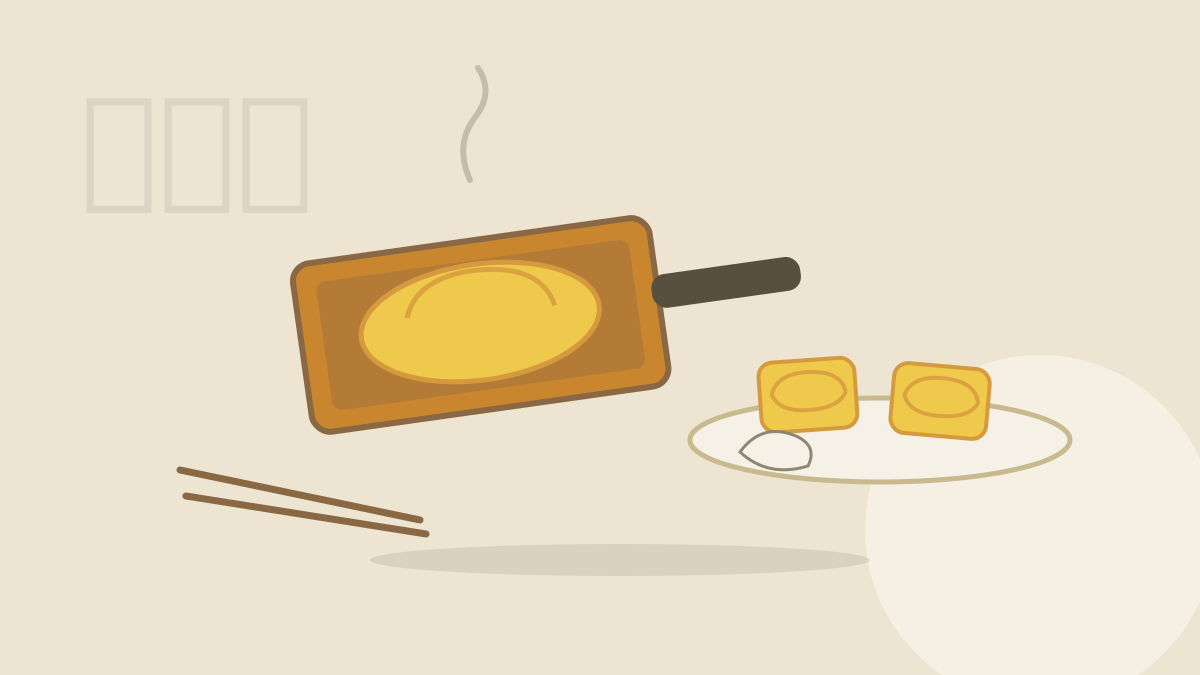
Dashimaki Tamagoだし巻き卵
Kyoto's rolled omelet saturated with awase dashi — barely sweet, quivering, poured and rolled in rhythm. The foundation skill of the Kansai kitchen.
 鍋
鍋Nabemono & Soups · 60 min · Intermediate
Kozuyuこづゆ
Aizu's clear celebration soup on a dried-scallop broth, served in shallow red lacquer bowls — a samurai-era feast dish of dried mountain foods, refilled freely.
 寿司
寿司Sushi & Sashimi · 80 min · Intermediate
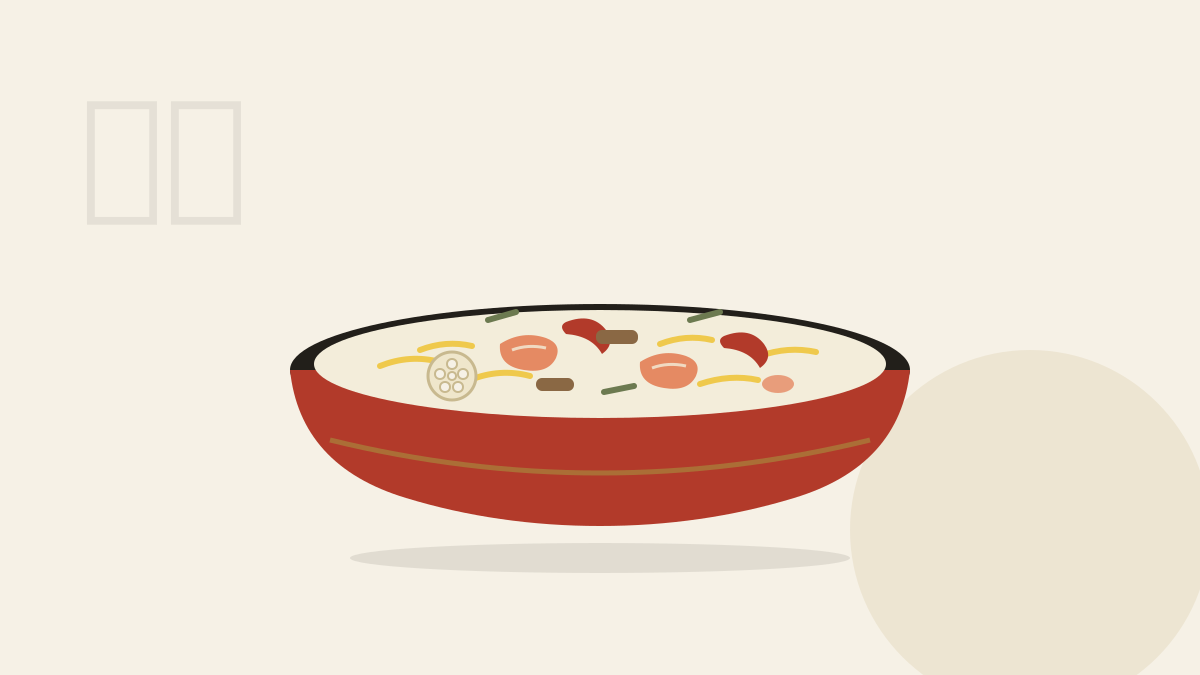
Okayama Barazushiばら寿司
Okayama's lavish scattered sushi — seafood and vegetables heaped over vinegared rice, a feast that folk history says outwitted a lord's frugality edict.
 鍋
鍋Nabemono & Soups · 50 min · Beginner
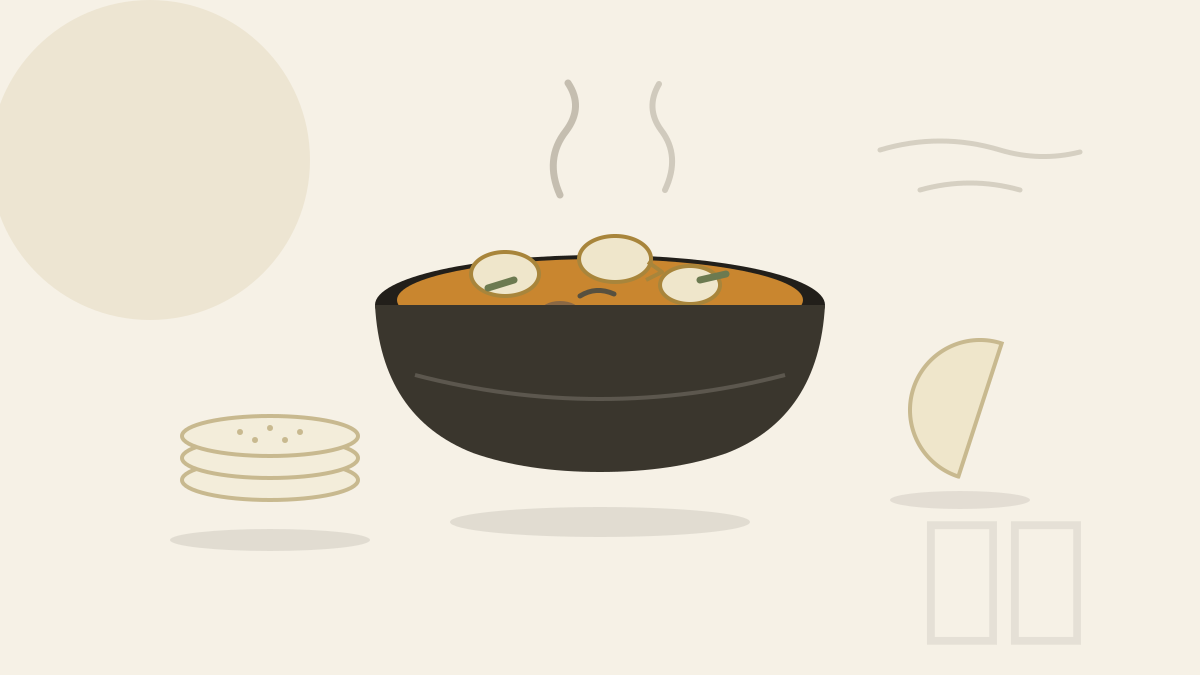
Senbei-jiruせんべい汁
Hachinohe's hot pot of wheat crackers simmered in chicken and gobō broth — Nanbu senbei bred for soup, from a cold coast where the rice crop so often failed.
 鍋
鍋Nabemono & Soups · 40 min · Beginner
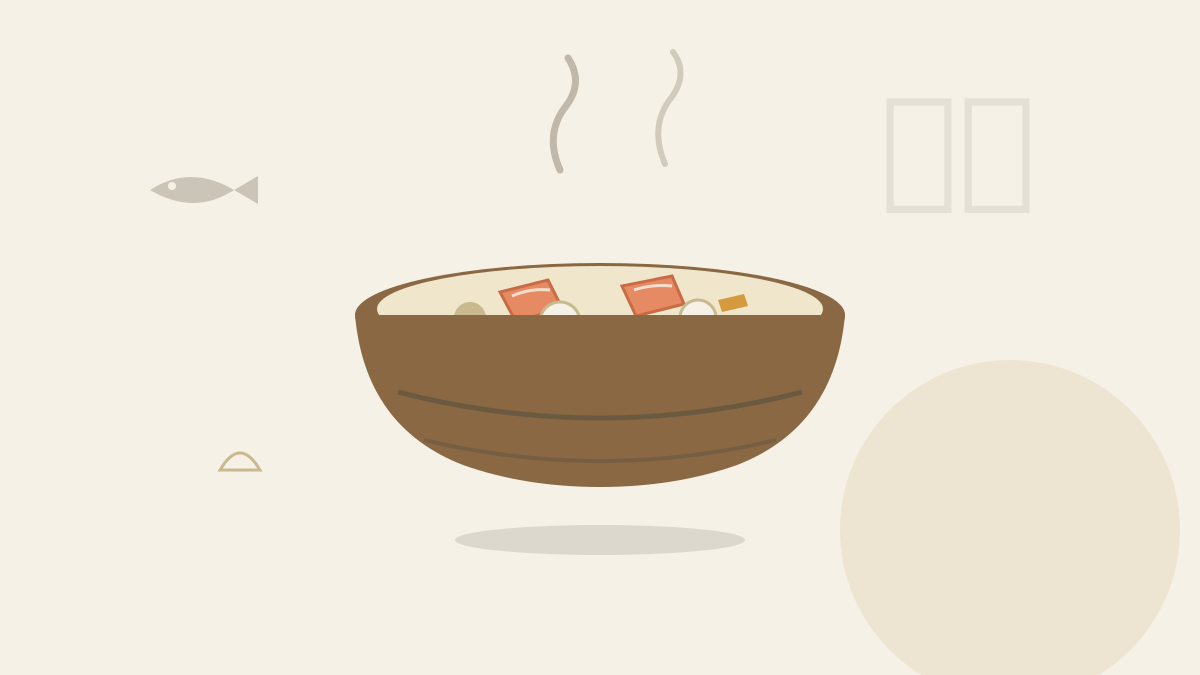
Sanpei-jiru三平汁
The Edo-era fishermen's soup of the Matsumae domain — salted salmon or herring simmered with potatoes and daikon, no miso needed. The fish itself seasons the pot.
 居酒屋
居酒屋Izakaya · 75 min · Intermediate
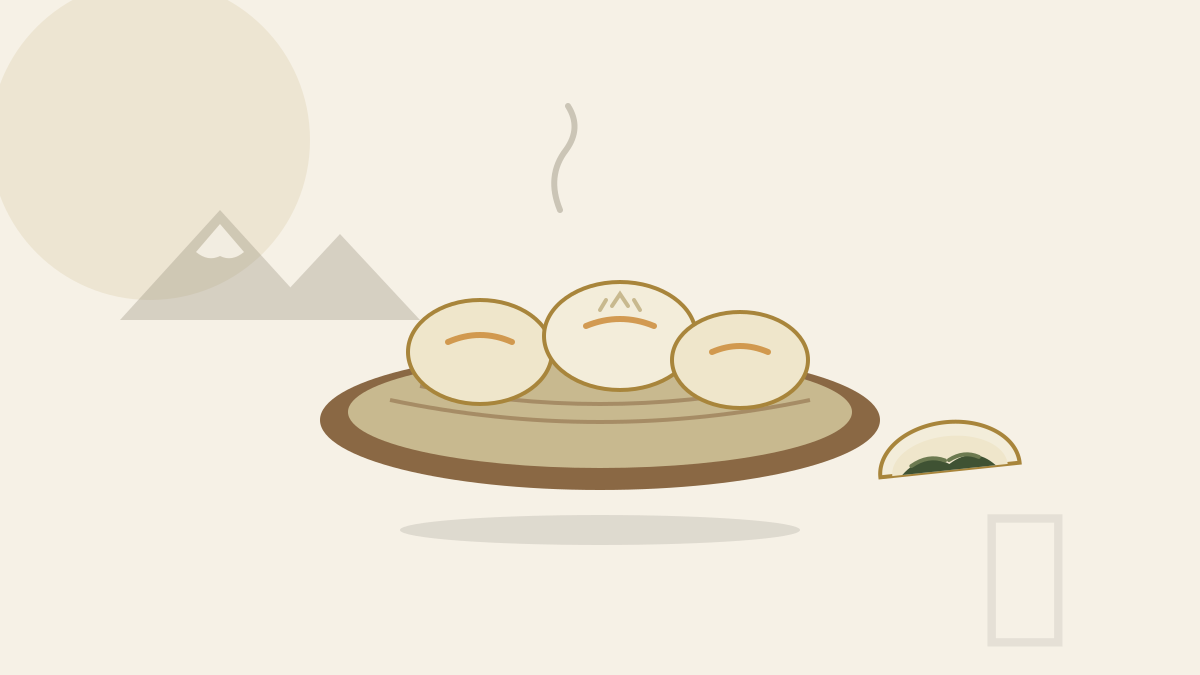
Shinshū Oyakiおやき
Nagano's stuffed wheat-and-buckwheat buns filled with nozawana or kabocha — the Edo-era answer of mountain villages where flour grew and rice would not.
 鍋
鍋Nabemono & Soups · 55 min · Intermediate
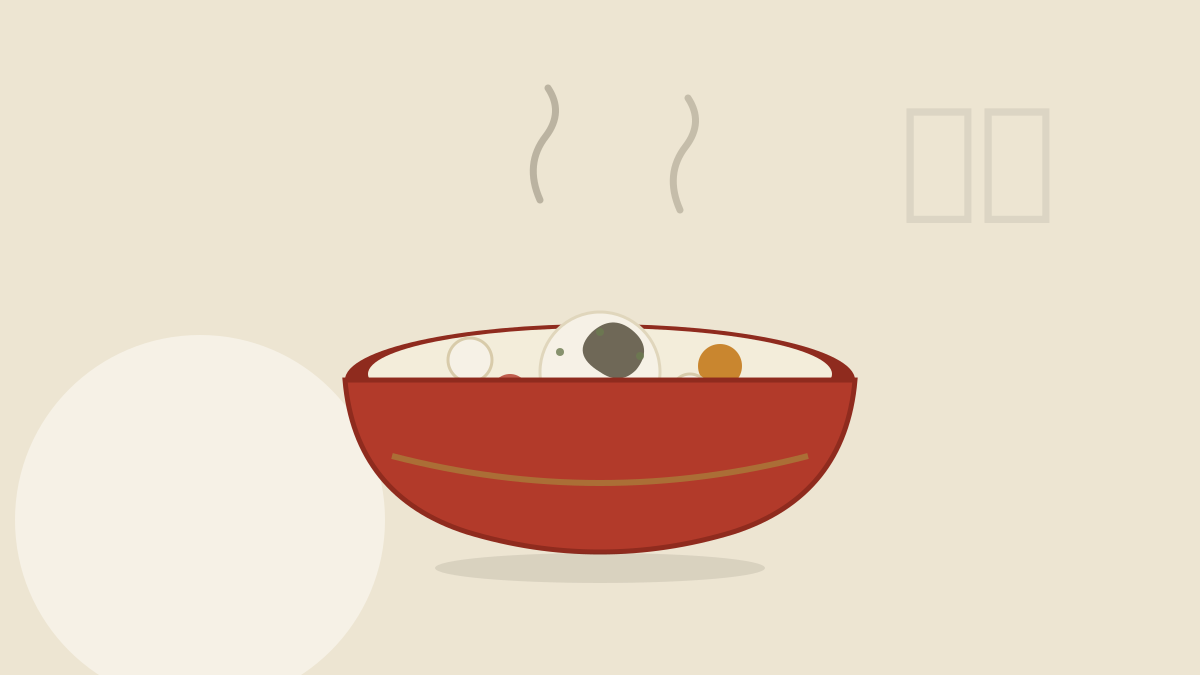
An-mochi Zōniあん餅雑煮
Kagawa's startling New Year soup — sweet red-bean mochi in white miso broth. A dish built on the sugar the Sanuki domain once guarded as a secret.
 居酒屋
居酒屋Izakaya · 45 min · Intermediate
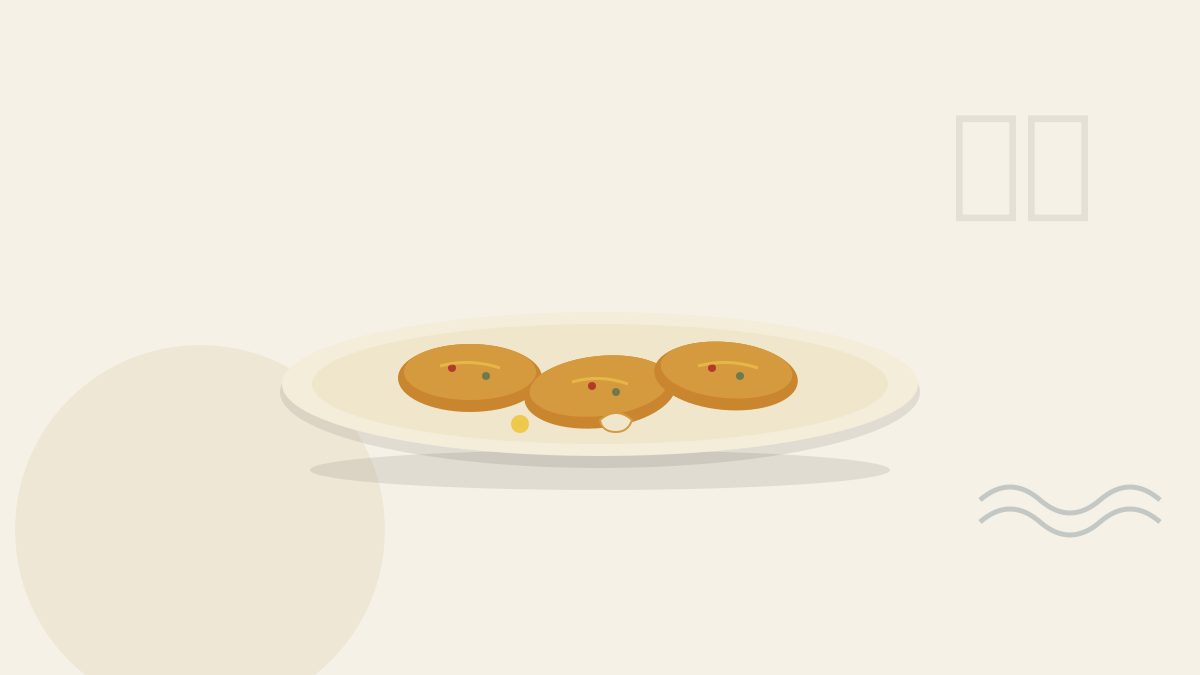
Satsuma-ageさつま揚げ
Kagoshima's deep-fried fish cakes — white fish pounded to a springy paste, seasoned, and fried golden; a Ryūkyū dish that traveled north through Satsuma and stayed.
 甘味
甘味Sweets & Wagashi · 45 min · Beginner
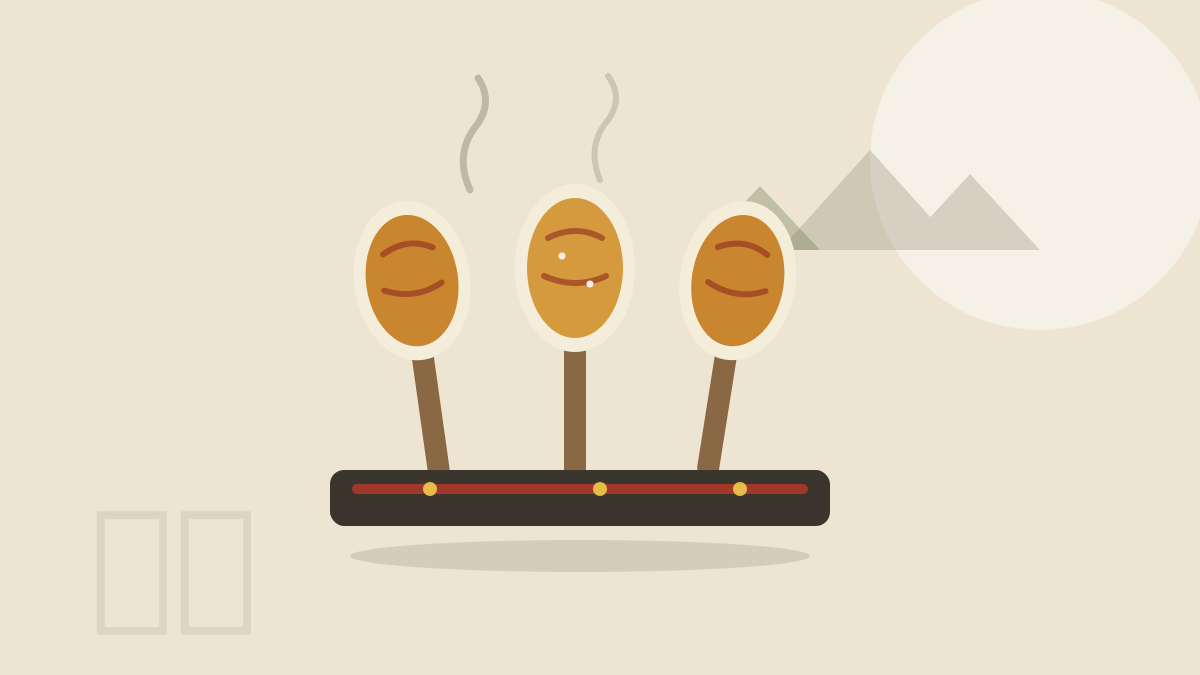
Gohei Mochi五平餅
Kiso valley's half-pounded rice paddles, grilled and lacquered with a walnut-sesame miso tare — an Edo-era mountain snack with shrine-offering roots.
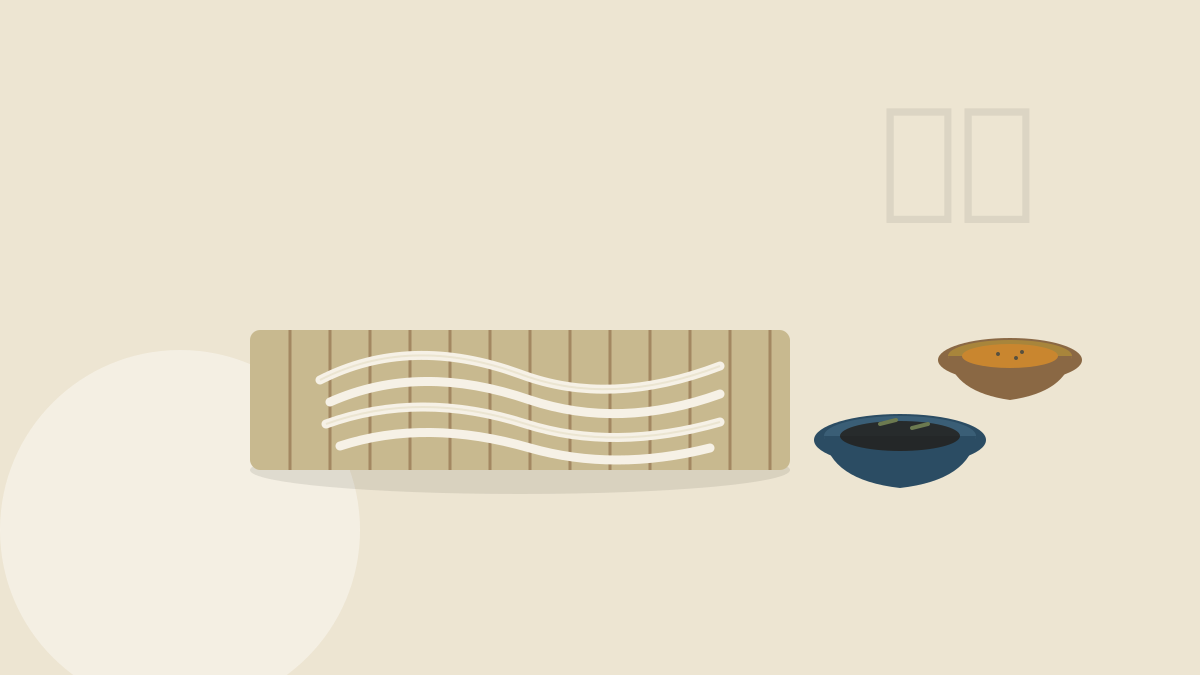 麺
麺Noodles · 23 min · Beginner
Inaniwa Udon稲庭うどん
Akita's thin, hand-stretched udon — once a guarded domain secret — served cold and glossy with two dipping sauces. Silk-smooth noodles, minimal cooking.
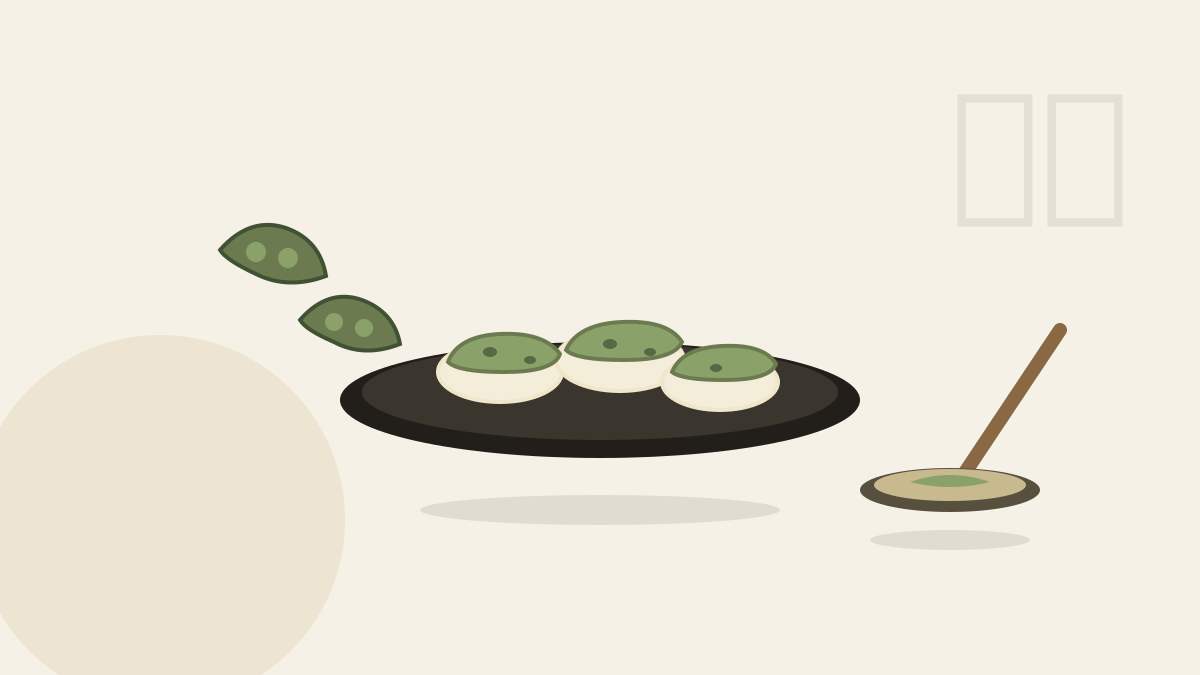 甘味
甘味Sweets & Wagashi · 45 min · Beginner
Zunda Mochiずんだ餅
Miyagi's brilliant green sweet — young edamame crushed to a coarse, fragrant paste with sugar and a pinch of salt, folded over hot mochi. A Sendai summer rite.
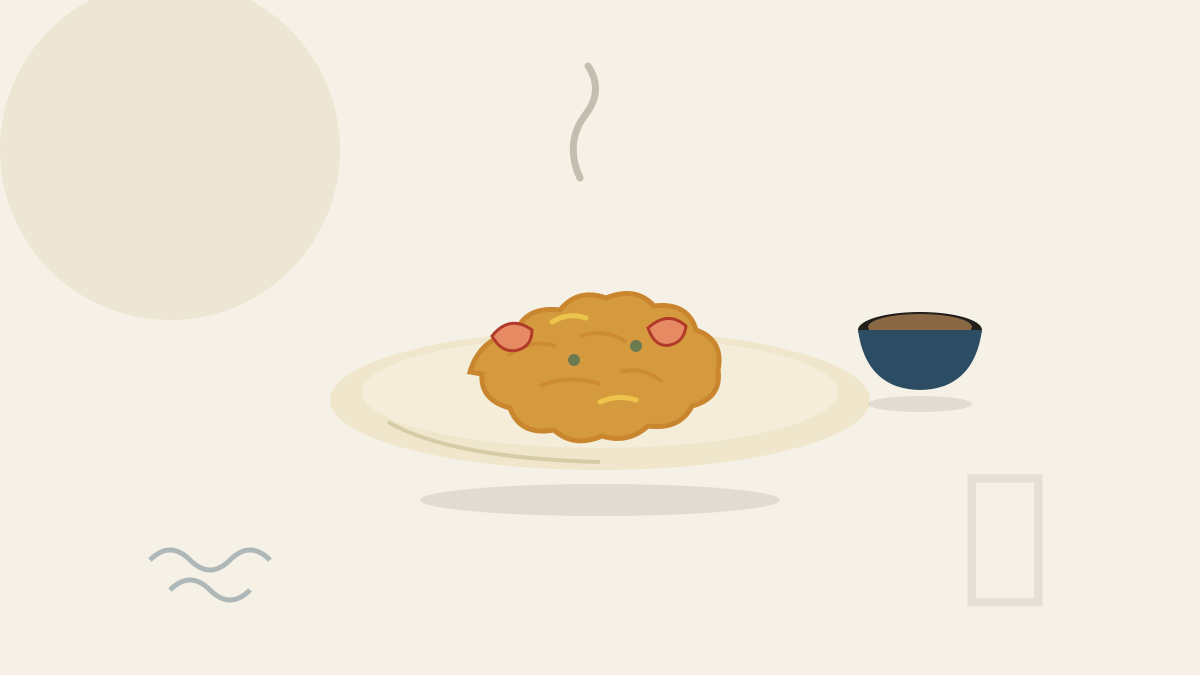 居酒屋
居酒屋Izakaya · 35 min · Intermediate
Kakiage Tempuraかき揚げ
Edo's riverside street tempura in fritter form — sweet shrimp and onion bound in ice-cold batter and fried loud and crisp. Batter temperature is the whole game.
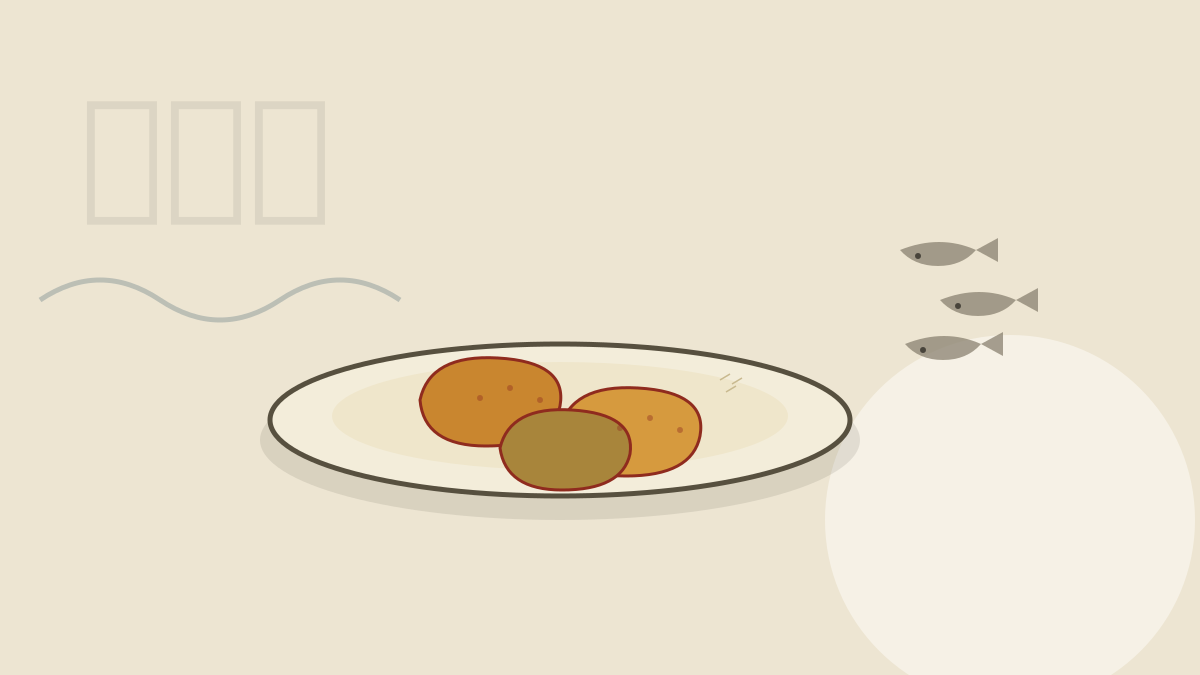 居酒屋
居酒屋Izakaya · 45 min · Intermediate
Jakotenじゃこ天
Uwajima's whole-fish fried cakes — small silver fish ground bones and all, shaped and fried. A Date-domain transplant now central to Ehime's coast.
 鍋
鍋Nabemono & Soups · 170 min · Intermediate
Kagoshima Tonkotsu-niとんこつ煮
Not the ramen — Satsuma's samurai field braise of pork belly stewed slow in miso, brown sugar, and imo-jōchū until the meat gives way and the sauce turns to lacquer.
 鍋
鍋Nabemono & Soups · 25 min · Beginner
Kyōto Yudofu湯豆腐
Kyoto's temple-gate hot pot — the best tofu you can buy, warmed in kombu water and lifted into a soy dipping sauce. Nanzen-ji made restraint a cuisine.
 丼
丼Rice & Donburi · 75 min · Intermediate
Harako Meshiはらこ飯
Watari, Miyagi's autumn dish of salmon simmered in soy, rice cooked in the fish's own broth, and cured salmon roe piled on top — parent and child in one bowl.
 基本
基本Foundations · 22 min · Beginner
Hōba Miso朴葉味噌
Takayama's hearth dish — sweet-savory miso grilled directly on a dried magnolia leaf with negi and mushrooms until it caramelizes and perfumes the rice.
 居酒屋
居酒屋Izakaya · 25 min · Beginner
Shōyu Mameしょうゆ豆
Kagawa's roasted broad beans steeped in sweetened soy and chili — nutty, snappy, faintly bitter, and made for a glass of something cold. The udon shop's quiet sidekick.
 甘味
甘味Sweets & Wagashi · 45 min · Intermediate
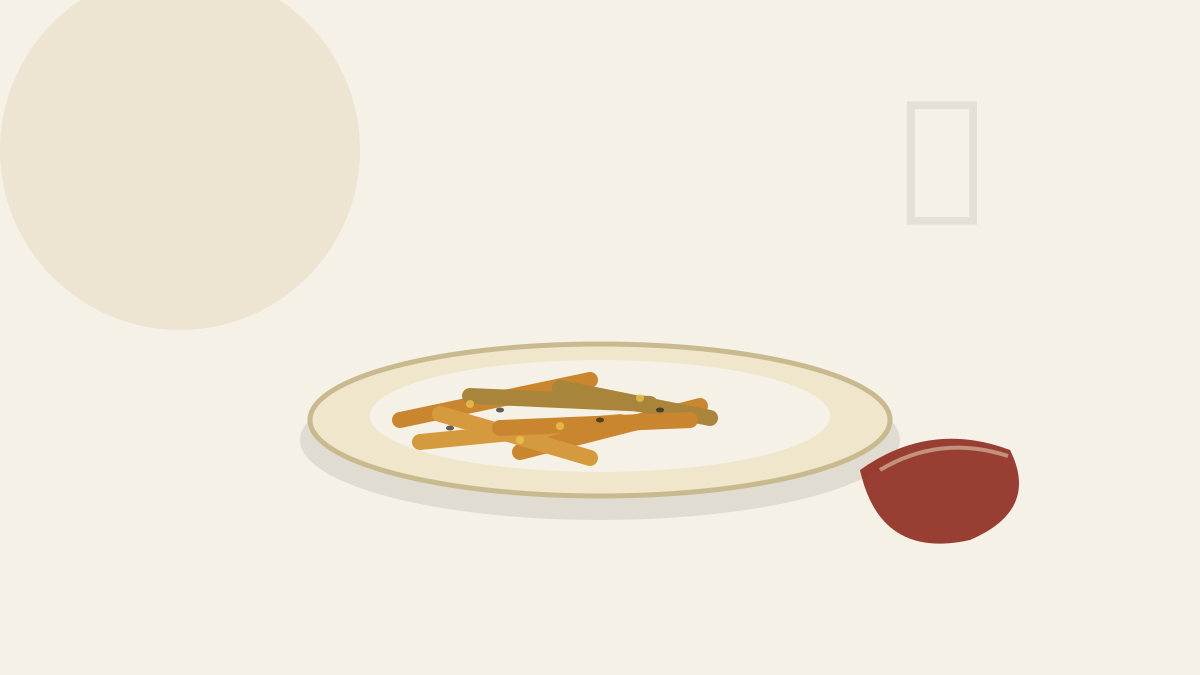
Imo Kenpi芋けんぴ
Kōchi's crisp candied sweet-potato sticks — satsumaimo fried twice and lacquered in Tosa sugar syrup. The sweet snack that eats like a habit.
 基本
基本Foundations · 30 min · Beginner
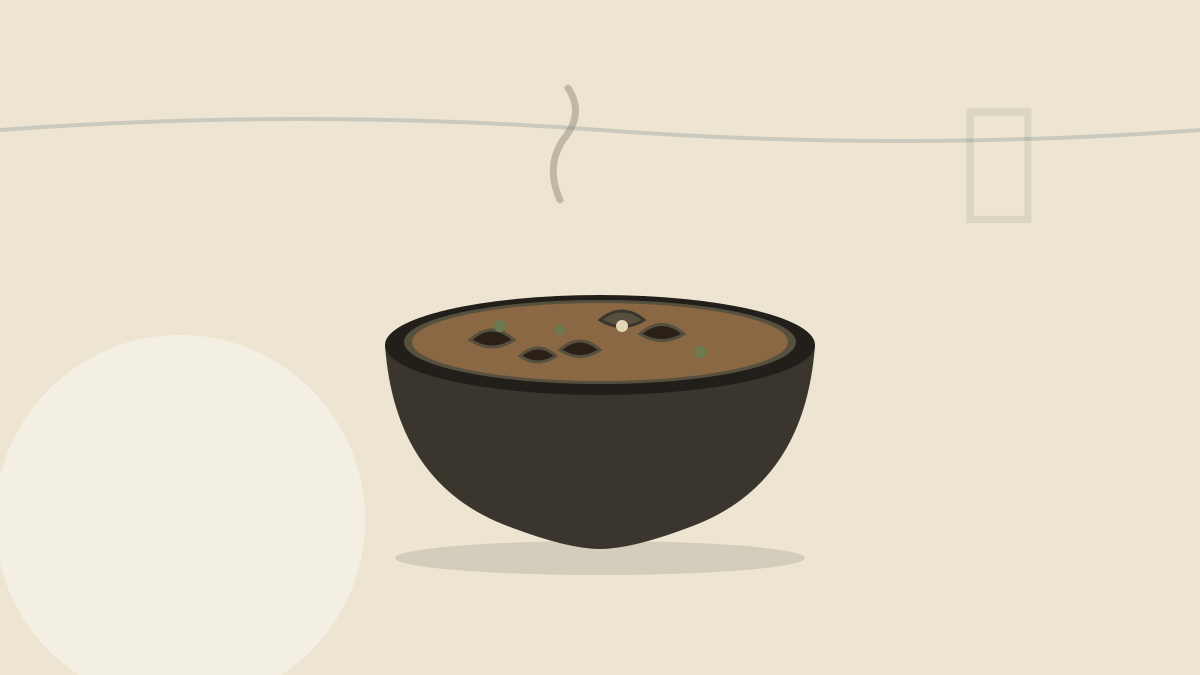
Lake Shinji Shijimi Soupしじみ汁
Matsue's shijimi miso soup — tiny brackish clams from Lake Shinji, one of the city's seven Edo-era delicacies, purged and simmered for enormous quiet umami.
 鍋
鍋Nabemono & Soups · 45 min · Beginner
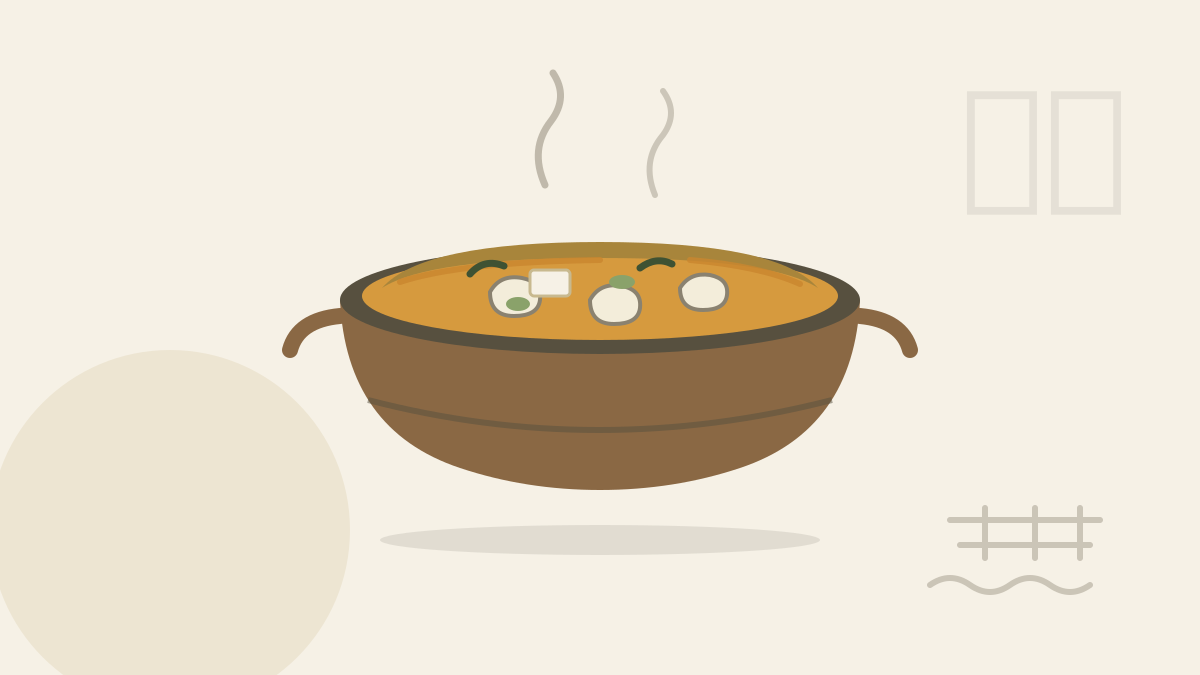
Hiroshima Oyster Dotenabe牡蠣の土手鍋
Hiroshima's winter hot pot with a wall of sweet miso painted around the rim like a river dike — plump farmed oysters simmered inside, four centuries in the making.
 麺
麺Noodles · 45 min · Beginner
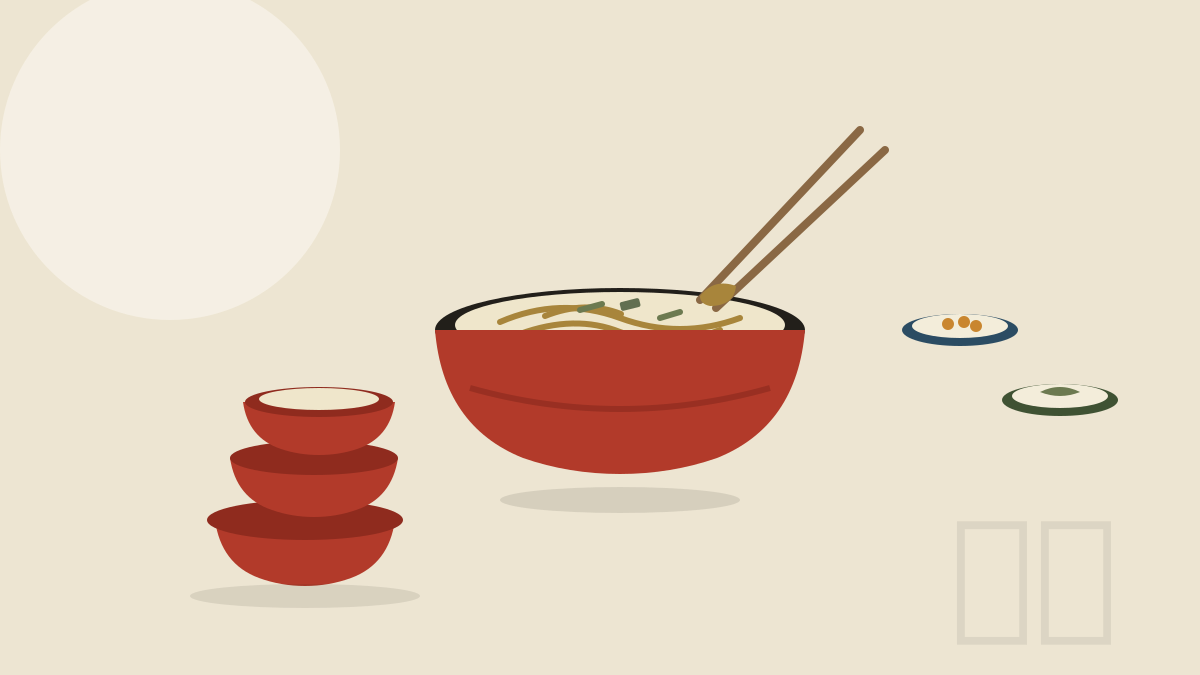
Wanko Sobaわんこそば
Iwate's hospitality ritual of endless lacquered mouthfuls, scaled sanely for a home table — chilled soba served bowl by tiny bowl with a bright spread of toppings.
 丼
丼Rice & Donburi · 60 min · Intermediate
Ehime Tai Meshi鯛めし
A whole Seto Inland Sea bream steamed on soy-seasoned rice, Matsuyama style — then deboned and folded back through every grain. Ehime's proudest pot of rice.
 居酒屋
居酒屋Izakaya · 55 min · Beginner
Dekomawashiでこまわし
Iya valley hearth skewers of potato, tofu, and konnyaku, painted with sweet miso and turned slowly by the fire — Tokushima's mountain izakaya classic.
 寿司
寿司Sushi & Sashimi · 65 min · Intermediate
Edomae Chirashi-zushiちらし寿司
Scattered sushi from the Edo fish market — soy-cured tuna, sweet shrimp, and golden egg over seasoned rice. A home chirashi built on cooked and cured toppings.
 寿司
寿司Sushi & Sashimi · 60 min · Intermediate
Masu-zushiます寿司
Toyama's pressed trout sushi, a bamboo-leaf round of vinegared rice and cured masu that was presented to the shogun in 1717 and still travels by rail today.
 基本
基本Foundations · 25 min · Beginner
Yamagata Dashi山形のだし
Yamagata's chopped summer relish of cucumber, eggplant, myoga and shiso — a cold, savory pile spooned over rice or tofu. Not stock; a knife-work dish.
 鍋
鍋Nabemono & Soups · 80 min · Intermediate
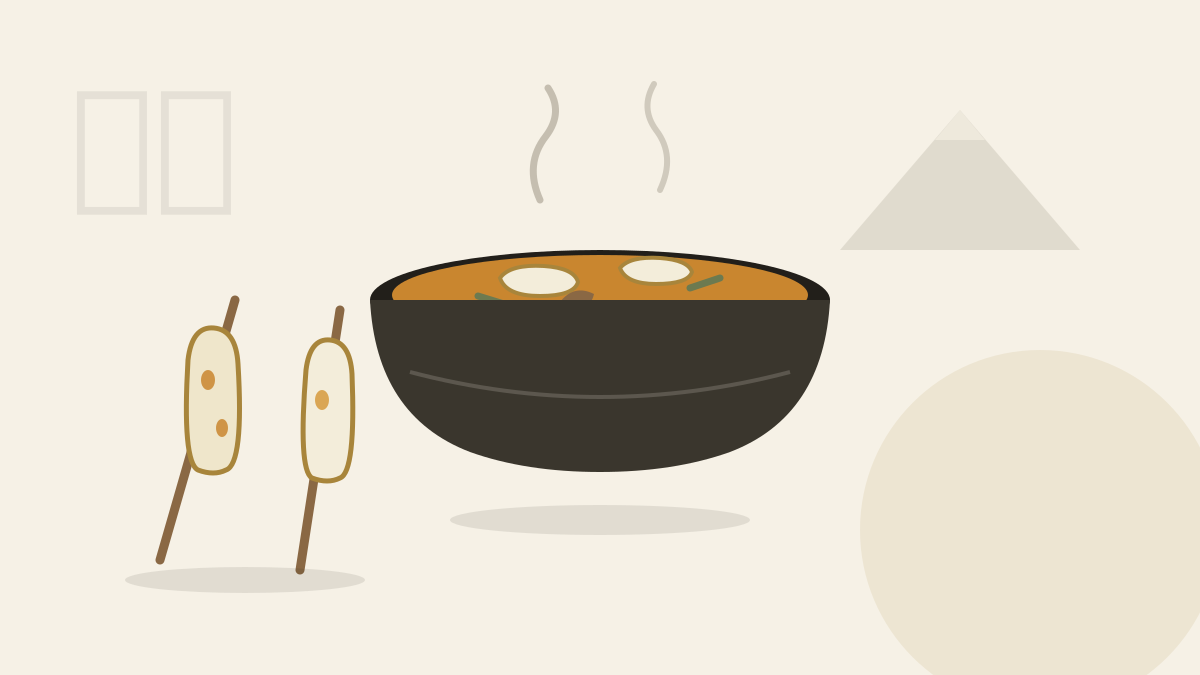
Kiritanpo Nabeきりたんぽ鍋
Akita's signature hot pot — mashed-rice sticks toasted on cedar skewers, then simmered in Hinai chicken broth with gobō, maitake, and seri. Hunters' food made civic pride.