第六章 · Chapter 6
Nabemono & Soups鍋
One pot, many hands. The communal stews that carried Japan through its winters.
 鍋
鍋Nabemono & Soups · 45 min · Beginner
Ishikari Nabe石狩鍋
Hokkaidō's salmon and miso hot pot, born on the Ishikari River in the Meiji fishing boom — sweet corn, potatoes, and a knob of butter at the end.
 鍋
鍋Nabemono & Soups · 55 min · Beginner
Imoni芋煮
Yamagata's taro and beef stew, simmered in soy and sake — the dish an entire prefecture cooks together on riverbanks every autumn since Edo times.
 鍋
鍋Nabemono & Soups · 65 min · Intermediate
Hōtōほうとう
Yamanashi's wide flat noodles simmered straight in miso broth with kabocha — the one-pot field ration that fed Takeda Shingen's armies in the Sengoku era.
 鍋
鍋Nabemono & Soups · 65 min · Beginner
Imotakiいも炊き
Ehime's riverside taro stew — chicken, taro, and konnyaku simmered in a sweet-soy broth under the harvest moon. Shikoku's answer to Tōhoku's imoni.
 鍋
鍋Nabemono & Soups · 45 min · Beginner
Kenchin-jiruけんちん汁
The Zen temple vegetable soup from 13th-century Kamakura — root vegetables and tofu seared in sesame oil, simmered in kombu-shiitake dashi. Fully vegan by design.
 鍋
鍋Nabemono & Soups · 55 min · Beginner
Hittsumiひっつみ
Iwate's hand-torn dumpling soup — the name means to pinch off — soft wheat dough pulled straight into a chicken and vegetable broth, weeknight food from Nanbu wheat country.
 鍋
鍋Nabemono & Soups · 40 min · Beginner
Kasu-jiru粕汁
Kansai's sake-lees soup — kasu from the Nada and Fushimi breweries melted into awase dashi with salmon and root vegetables. Winter insulation in a bowl.
 鍋
鍋Nabemono & Soups · 65 min · Beginner
Niigata Noppeのっぺ
Niigata's New Year root-vegetable stew, thickened not by flour but by the satoimo dissolving into its own broth — served warm in winter, cold in summer.
 鍋
鍋Nabemono & Soups · 60 min · Intermediate
Kozuyuこづゆ
Aizu's clear celebration soup on a dried-scallop broth, served in shallow red lacquer bowls — a samurai-era feast dish of dried mountain foods, refilled freely.
 鍋
鍋Nabemono & Soups · 50 min · Beginner
Senbei-jiruせんべい汁
Hachinohe's hot pot of wheat crackers simmered in chicken and gobō broth — Nanbu senbei bred for soup, from a cold coast where the rice crop so often failed.
 鍋
鍋Nabemono & Soups · 40 min · Beginner
Sanpei-jiru三平汁
The Edo-era fishermen's soup of the Matsumae domain — salted salmon or herring simmered with potatoes and daikon, no miso needed. The fish itself seasons the pot.
 鍋
鍋Nabemono & Soups · 150 min · Intermediate
Shizuoka Oden静岡おでん
Shizuoka's jet-black oden — everything skewered, simmered in a beef-tendon dark broth, and finished with a dusting of fish powder and green nori.
 鍋
鍋Nabemono & Soups · 35 min · Intermediate
Ichigo-niいちご煮
The Aomori and Iwate coast's clear soup of uni and abalone, named for sea urchin glowing like wild strawberries in morning mist — with honest costs and substitutes.
 鍋
鍋Nabemono & Soups · 75 min · Intermediate
Sapporo Soup Curryスープカレー
Sapporo's thin, fiery curry — born medicinal at the coffee house Ajanta in the 1970s, named in 1993, national by the 2000s. A whole chicken leg and big, bold vegetables.
 鍋
鍋Nabemono & Soups · 55 min · Intermediate
An-mochi Zōniあん餅雑煮
Kagawa's startling New Year soup — sweet red-bean mochi in white miso broth. A dish built on the sugar the Sanuki domain once guarded as a secret.
 鍋
鍋Nabemono & Soups · 35 min · Intermediate
Teppō-jiru鉄砲汁
Hokkaidō's crab miso soup — whole hairy or snow crab simmered in dashi and miso. Named for the chopstick you poke down the shell like ramming a musket.
 鍋
鍋Nabemono & Soups · 170 min · Intermediate
Kagoshima Tonkotsu-niとんこつ煮
Not the ramen — Satsuma's samurai field braise of pork belly stewed slow in miso, brown sugar, and imo-jōchū until the meat gives way and the sauce turns to lacquer.
 鍋
鍋Nabemono & Soups · 25 min · Beginner
Kyōto Yudofu湯豆腐
Kyoto's temple-gate hot pot — the best tofu you can buy, warmed in kombu water and lifted into a soy dipping sauce. Nanzen-ji made restraint a cuisine.
 鍋
鍋Nabemono & Soups · 60 min · Intermediate
Inamuduchiイナムドゥチ
Okinawa's celebratory white-miso pork soup, whose name means "boar imitation" — a sweet, thick banquet bowl once made from wild boar, now from pork, for weddings and New Year.
 鍋
鍋Nabemono & Soups · 130 min · Intermediate
Hakata Mizutaki水炊き
Hakata's chicken hot pot in a milky bone broth, eaten course by course with ponzu and yuzukoshō — a Meiji-era dish credited to Hayashida Heizaburō in 1905.
 鍋
鍋Nabemono & Soups · 65 min · Intermediate
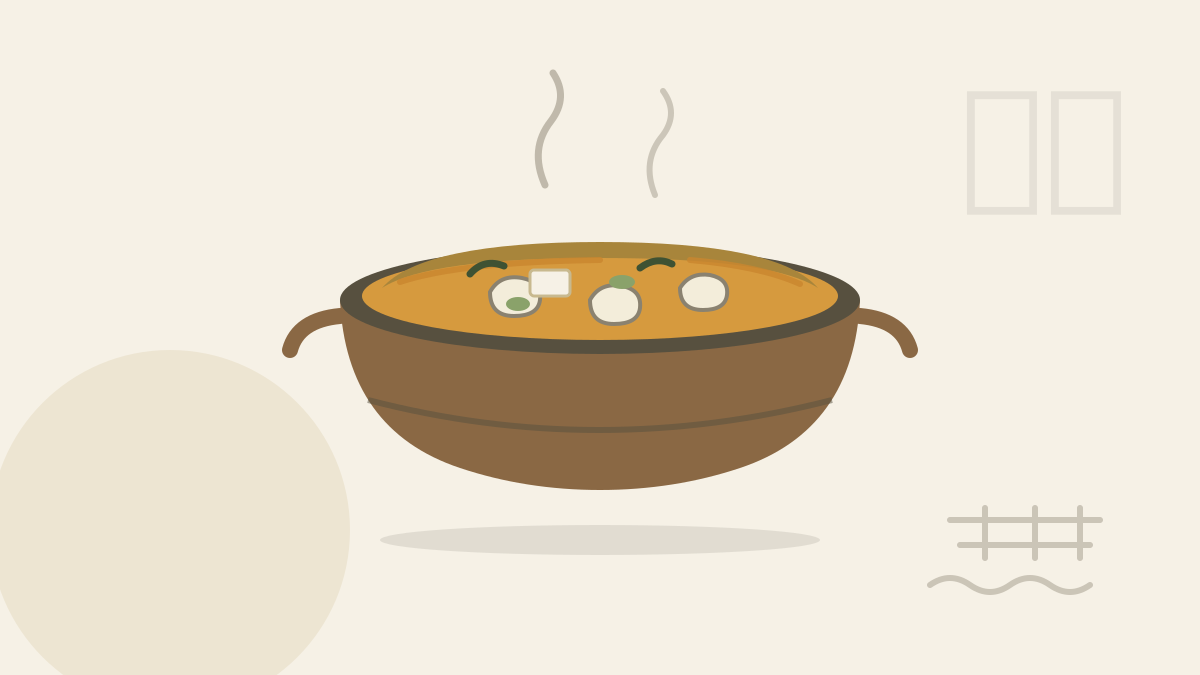
Miso Nikomi Udon味噌煮込みうどん
Nagoya's donabe udon simmered raw in hatchō miso broth — salt-free noodles, deliberately firm, cooked and served in the same clay pot with its lid as a plate.
 鍋
鍋Nabemono & Soups · 45 min · Beginner
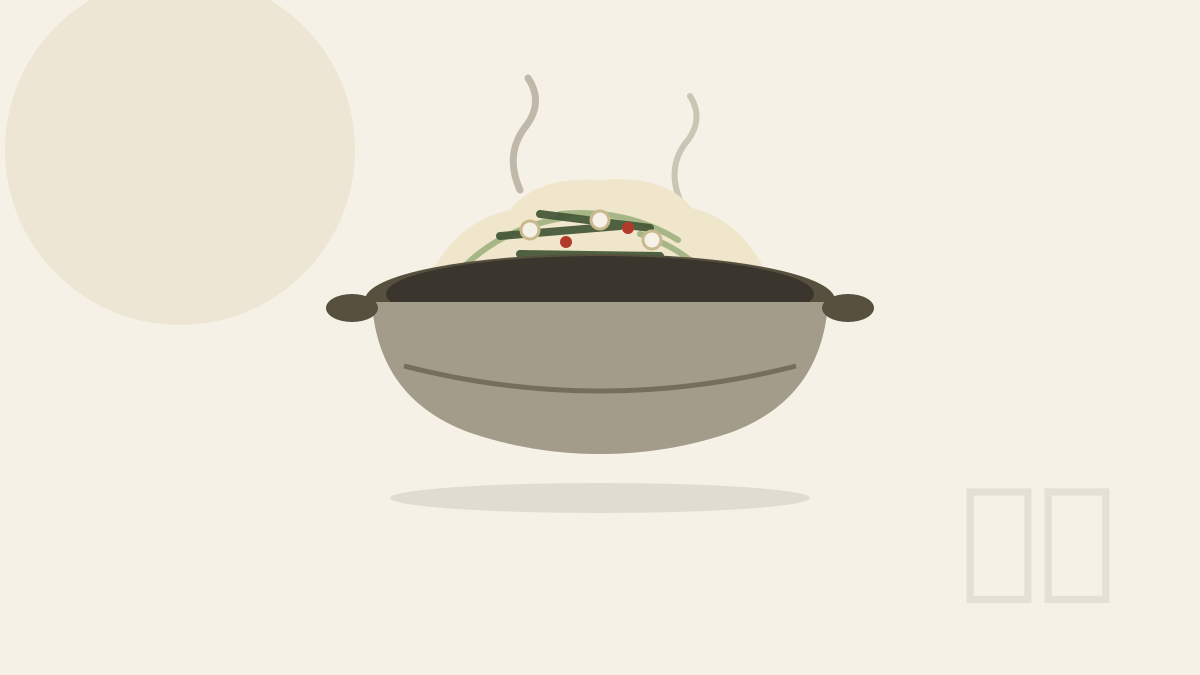
Hiroshima Oyster Dotenabe牡蠣の土手鍋
Hiroshima's winter hot pot with a wall of sweet miso painted around the rim like a river dike — plump farmed oysters simmered inside, four centuries in the making.
 鍋
鍋Nabemono & Soups · 45 min · Intermediate
Motsunabeもつ鍋
Fukuoka's offal hot pot, forged in the postwar years — beef motsu simmering under a mountain of cabbage, nira, and garlic, finished with champon noodles in the broth.
 鍋
鍋Nabemono & Soups · 80 min · Intermediate
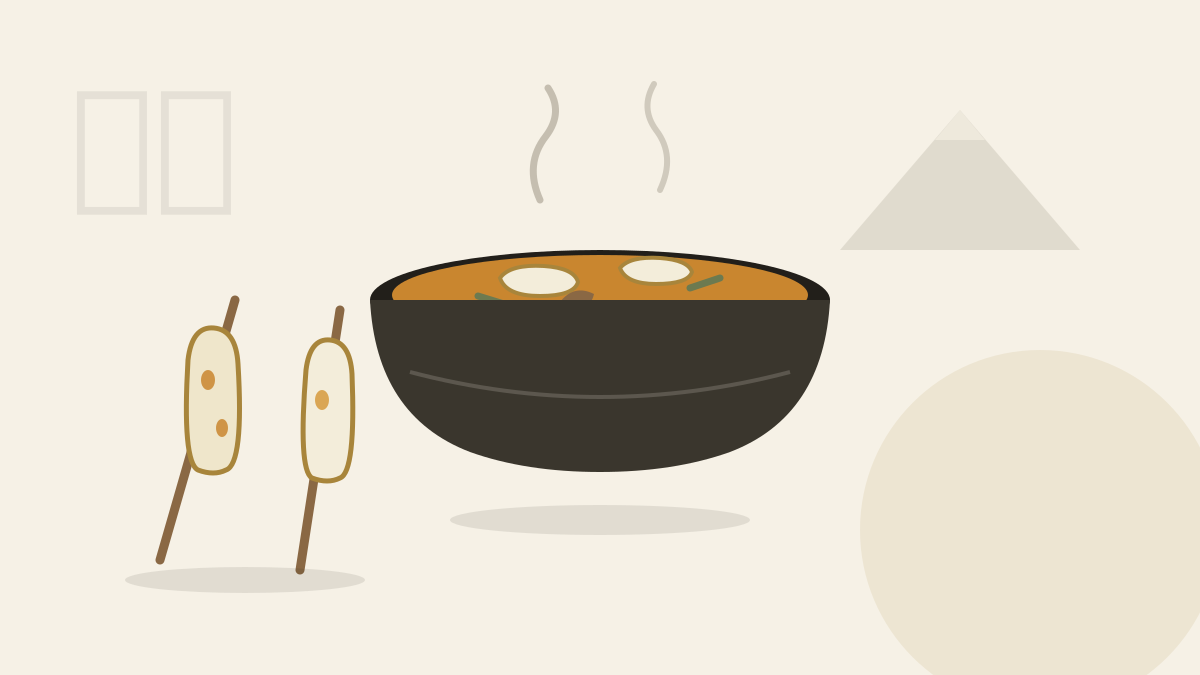
Kiritanpo Nabeきりたんぽ鍋
Akita's signature hot pot — mashed-rice sticks toasted on cedar skewers, then simmered in Hinai chicken broth with gobō, maitake, and seri. Hunters' food made civic pride.