Kakiage Tempura
かき揚げ
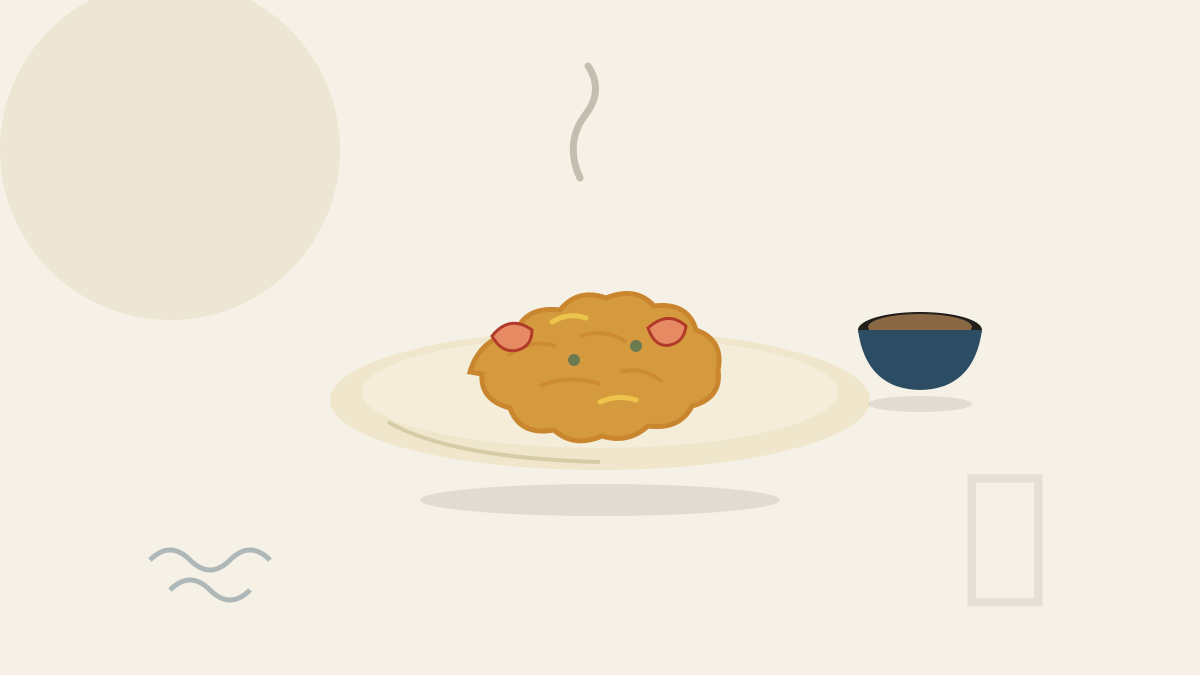
Edo's riverside street tempura in fritter form — sweet shrimp and onion bound in ice-cold batter and fried loud and crisp. Batter temperature is the whole game.
By Japanese Cookbook Kitchen · May 19, 2026
 居酒屋
居酒屋- Prep
- 20 min
- Cook
- 15 min
- Serves
- 4
- Level
- Intermediate
Tempura came to Japan with the Portuguese in the sixteenth century, but Edo made it a working-class supper. After the Meireki fire of 1657 flattened most of the city, frying over open flame indoors became something between a crime and a death wish, so the tempura pot moved outdoors — to yatai stalls along the Sumida and beside the fish market, where a laborer could eat shrimp off a skewer for pocket change. Sushi, soba, and tempura: the three great fast foods of Edo, all born standing up.
Kakiage is the stall's thriftiest invention — whatever the day left over, scraped together into one crackling raft. The discipline is all in the batter: iced water, minimal mixing, oil at a steady 170°C. Done right, it shatters and then melts, the onion gone sweet inside. Drop it whole over rice with tentsuyu and you have tendon; float it on soba and you have lunch in old Tokyo.
Lumpy, half-mixed, ice-cold batter is correct batter. Every stroke of the chopsticks past "barely combined" builds gluten, and gluten is how a fritter becomes a pancake.
板前の一言 · A word from the kitchen
Ingredients材料
Serves 4
Fritters
- 150 gsmall shrimp, peeled — cut any large ones in half; frozen work fine, thawed and dried hard
- 1onion, halved and sliced into thin crescents
- 1 smallcarrot, in fine matchsticks
- 1 handfulmitsuba or flat-leaf parsley, roughly chopped
- 100 gcake flour — plus 2 tbsp extra for dusting the vegetables
- 1egg yolk
- 160 mliced water — genuinely iced — fish the cubes out just before mixing
- 1 litreneutral oil for frying — a splash of sesame oil in it is very Tokyo
To serve
- 200 mltentsuyu — awase dashi, soy, and mirin at 4:1:1, warmed
- 5 cmdaikon, finely grated
- flaky salt, if you side with the salt faction
Method作り方
Step 1: Dry and dust
Pat the shrimp aggressively dry and toss them with the onion, carrot, and mitsuba in the 2 tbsp of dusting flour. The dust is glue — it gives the wet batter something to hold, so the fritter stays one fritter.
Step 2: Make the batter at the last minute
Beat the yolk into the iced water, add the flour all at once, and stir maybe ten strokes. Streaks of dry flour and floating lumps are the look you want. Batter made early or mixed smooth fries up dense.
Step 3: Heat the oil to 170°C
Test with a drop of batter: it should sink halfway, then rise fizzing. Too cool and the fritter drinks oil; too hot and the outside sets before the onion sweetens.
Step 4: Fry on a spoon
Fold the vegetables into the batter, scoop a loose palmful onto a wide spoon or small ladle, and slide it gently into the oil. Hold the shape ten seconds before letting go. Fry 2 minutes, flip, 2 minutes more, until the fizzing quiets — the sound tells you the water is gone.
Step 5: Drain hard and serve fast
Rest each fritter on its edge on a rack, never flat on paper. Serve within minutes, with warm tentsuyu and grated daikon, or just salt. Kakiage waits for no one, and never did.
道具 · The tools
Equipment
Frying thermometer
温度計The difference between crisp karaage and greasy karaage is holding the oil at temperature — stop guessing.
Shop on Amazon →Grater (oroshigane)
おろし金Fine, wet grating for ginger, daikon oroshi, and fresh wasabi — a Western microplane is close.
Shop on Amazon →Cooking chopsticks (saibashi)
菜箸Long chopsticks for turning, plating, and beating eggs streaky — the Japanese kitchen’s default hand.
Shop on Amazon →
Equipment links are Amazon affiliate links. As an Amazon Associate we earn from qualifying purchases, at no cost to you. Disclosure.
Questions from the kitchen
Why did tempura become street food in Edo?
Fire. Edo burned catastrophically and often — the Meireki fire of 1657 levelled most of the city — and regulations pushed open-flame frying out of wooden houses and into riverside stalls. Tempura was eaten standing, skewered straight from the pot, with grated daikon on the side.
What does kakiage mean?
Roughly "scraped together and fried" — the stallholder's answer to shrimp too small and trimmings too good to waste. It is the most forgiving tempura to make at home precisely because it was never meant to be elegant.
My kakiage falls apart in the oil. What went wrong?
Usually wet ingredients or not enough dusting flour. Dry everything hard, dust well, and lower the fritter in on a spoon rather than dropping it. Holding it against the spoon for the first ten seconds lets the batter set into a single raft.
次はこちら · Cook next
Keep the burner on
 居酒屋
居酒屋Izakaya · 25 min · Beginner
Gōya Chanpurūゴーヤーチャンプルー
Okinawa's bitter melon stir-fry with tofu, pork, and egg — the Ryūkyū Kingdom's everyday masterpiece, and the honest way to make peace with gōya.
 居酒屋
居酒屋Izakaya · 40 min · Beginner
Osaka Okonomiyakiお好み焼き
Osaka's cabbage-and-batter griddle cake with pork belly, sauce, and dancing katsuobushi — postwar street food perfected. Dashi in the batter is the difference.
 居酒屋
居酒屋Izakaya · 35 min · Intermediate
Chicken Karaage鶏の唐揚げ
Japanese fried chicken with a soy-ginger marinade, a potato-starch crust, and the double-fry that keeps it crackling — izakaya standard, home method.