Imoni
芋煮
Yamagata's taro and beef stew, simmered in soy and sake — the dish an entire prefecture cooks together on riverbanks every autumn since Edo times.
By Japanese Cookbook Kitchen · June 25, 2026
 鍋
鍋- Prep
- 20 min
- Cook
- 35 min
- Serves
- 4
- Level
- Beginner
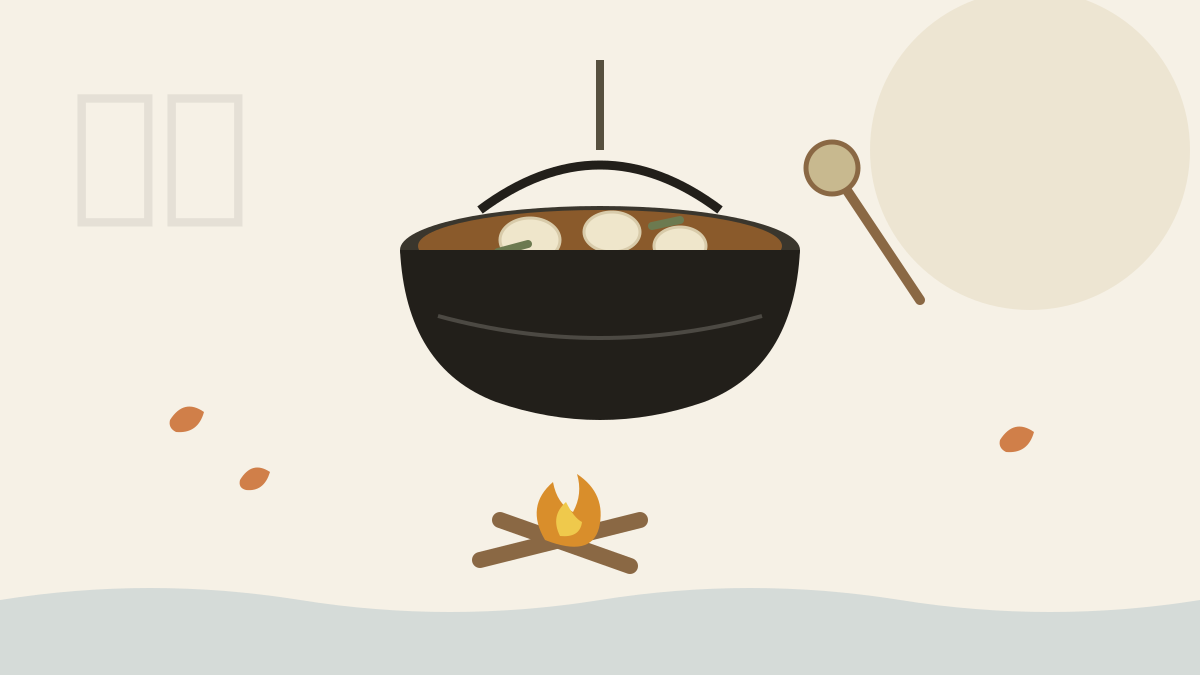
Every autumn, the riverbanks of Yamagata fill with smoke and huge pots, as families, companies, and university clubs hold imoni-kai — taro-stew parties that are less a picnic than a civic institution. The tradition runs back to Edo-period river boatmen, who killed the wait for cargo by stewing local satoimo on the banks of the Mogami. The dish never moved indoors, exactly; it just also learned to.
What's in the pot is disarmingly simple: taro, torn konnyaku, thin beef, and negi in a soy-sake broth with a little sugar. The point is the satoimo — creamy, slippery, faintly sweet, a texture rice can't give you — and a broth that gets progressively better as the pot sits. This is Tōhoku cooking in one lesson: few ingredients, no waste, and warmth engineered for people who know what a real winter is.
The closing move is non-negotiable in Yamagata: when the taro is gone, udon goes into the remaining broth. Plan for it.
Imoni is judged by the taro. Simmer it until a chopstick slides through with no argument — the beef is seasoning; the satoimo is the dish.
板前の一言 · A word from the kitchen
Ingredients材料
Serves 4
- 600 gsatoimo (taro) — peeled and halved; frozen peeled satoimo is a respectable shortcut
- 200 gthinly sliced beef — the fattier the better — this is Yamagata style
- 1 blockkonnyaku — torn into bite-size pieces by hand, not knife
- 2negi or fat scallions, in 3 cm lengths
- 800 mlwater
- 4 tbspsoy sauce
- 3 tbspsake
- 1.5 tbspsugar
Method作り方
Step 1: Deal with the slip
Rub the peeled taro with a little salt, rinse, and drain. This tames the sliminess so the broth stays clear instead of viscous.
Step 2: Blanch the konnyaku
Boil the torn konnyaku 2 minutes and drain — it sheds its mineral smell and the torn edges drink seasoning better than knife cuts ever will.
Step 3: Simmer the taro
Put taro, konnyaku, water, and sake in a pot and simmer, partly covered, 20 minutes, until the taro is genuinely tender.
Step 4: Season, then add the beef
Stir in soy sauce and sugar, then add the beef slice by slice so the pieces don't clump, and the negi. Simmer 5 more minutes, skimming once.
Step 5: Rest before serving
Off the heat, lid on, 10 minutes. Imoni is better warm than piping — the taro drinks the broth as it settles. Udon in the leftovers is mandatory, not optional.
道具 · The tools
Equipment
Donabe
土鍋The clay hot-pot that makes nabemono taste like nabemono — a gentle, even simmer that carries straight to the table.
Shop on Amazon →Mandoline (benriner)
スライサーPaper-thin daikon, cucumber, and cabbage in seconds — the Japanese mandoline home cooks actually own.
Shop on Amazon →
Equipment links are Amazon affiliate links. As an Amazon Associate we earn from qualifying purchases, at no cost to you. Disclosure.
Questions from the kitchen
What is an imoni-kai?
An autumn riverbank party where friends, companies, and entire school classes cook imoni outdoors in rented pots. Yamagata City holds a festival version with a six-meter crane-operated pot serving 30,000 bowls. It is exactly as serious as it sounds.
How old is the dish?
The usual story reaches back to Edo-period boatmen on the Mogami River, who waited for cargo by stewing taro from riverside villages with what they carried. The riverbank setting never left the dish.
Beef and soy, or pork and miso?
This is Yamagata's civil war. Inland Yamagata swears by beef and soy (this recipe); neighboring Sendai swears by pork and miso, essentially tonjiru with taro. Cook both and take a side — neutrality is not respected.
次はこちら · Cook next
Keep the burner on
 鍋
鍋Nabemono & Soups · 45 min · Beginner
Ishikari Nabe石狩鍋
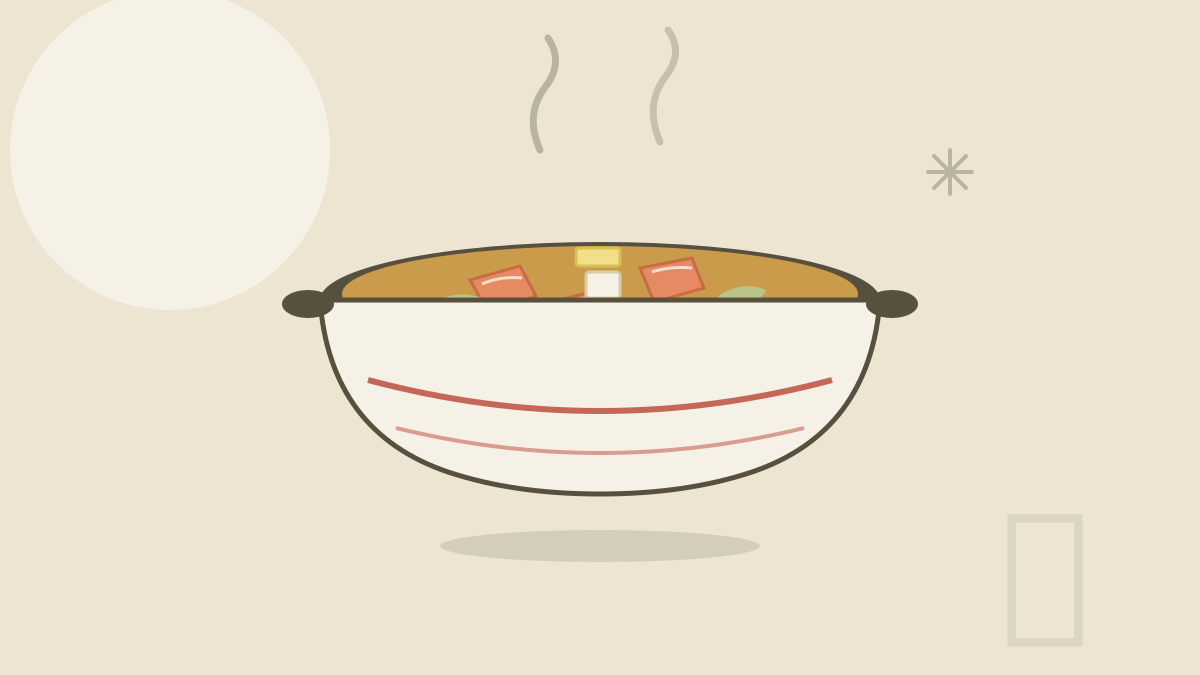
Hokkaidō's salmon and miso hot pot, born on the Ishikari River in the Meiji fishing boom — sweet corn, potatoes, and a knob of butter at the end.
 鍋
鍋Nabemono & Soups · 65 min · Intermediate
Hōtōほうとう
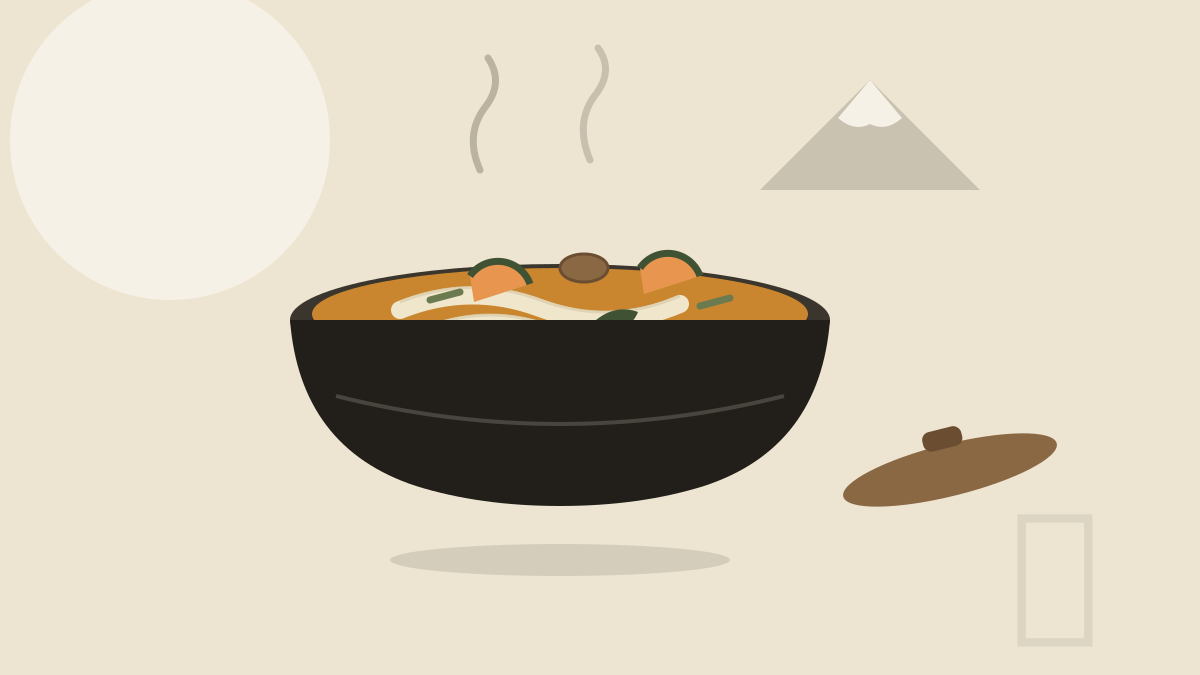
Yamanashi's wide flat noodles simmered straight in miso broth with kabocha — the one-pot field ration that fed Takeda Shingen's armies in the Sengoku era.
 鍋
鍋Nabemono & Soups · 65 min · Beginner
Imotakiいも炊き
Ehime's riverside taro stew — chicken, taro, and konnyaku simmered in a sweet-soy broth under the harvest moon. Shikoku's answer to Tōhoku's imoni.