Kanzake
燗酒
How to warm sake properly — the gentle water-bath method, the temperature names from hitohada-kan up, and why Niigata's crisp jizake rewards the ritual.
By Japanese Cookbook Kitchen · July 2, 2026
 飲
飲- Prep
- 5 min
- Cook
- 5 min
- Serves
- 2
- Level
- Beginner
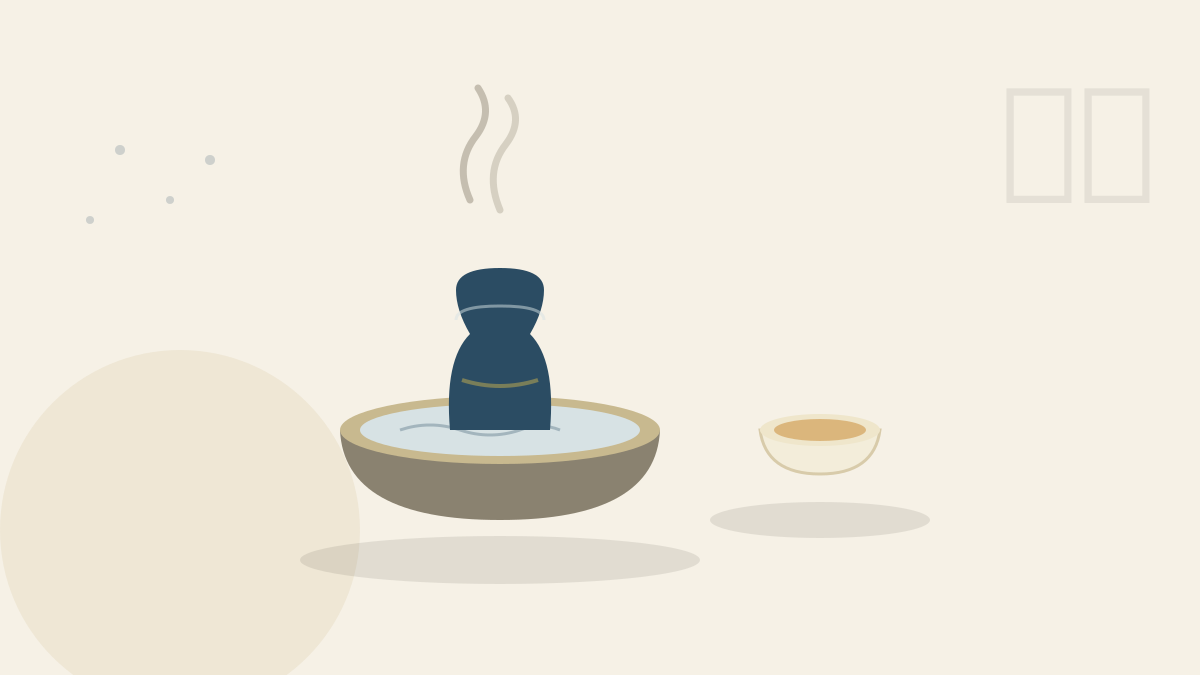
Warming sake is one of the oldest habits in Japanese drinking — kan, the warmed serve, is documented for centuries as the cold-weather default long before chilled sake became fashionable. The method that survived is deliberately gentle: a tokkuri, the narrow ceramic carafe, stood in a pan of hot water off the flame, so the sake warms evenly and slowly through the ceramic rather than scorching against metal. Alcohol is volatile and so is aroma; move too fast or too hot and you boil off exactly what you were trying to coax out.
The Japanese have named the stages, and the names are the recipe. Around 30°C is hinata-kan, "sunny"; 35°C is hitohada-kan, "skin temperature," the sweet spot where a good junmai blooms; 40°C is nuru-kan, pleasantly warm; 45°C atsu-kan, hot; 50°C tobikiri-kan, the upper edge. Warmer serves flatter aromas but a rounder, fuller body, so richer sakes take the heat while delicate ones don't. This is where regional sake earns its keep — Niigata, snow country and Japan's great jizake heartland, is famous for tanrei-karakuchi, a clean, dry, crisp style; many of its bottles are built for cold, but a sturdy Niigata junmai warmed to hitohada-kan is a quiet winter revelation. Warm it slowly, pour it small, and drink it while it's honest.
Warm sake in a water bath, never on direct heat or in the microwave. Gentle, even warming lifts the aroma and rounds the edges; a boiled tokkuri drives off the good volatiles and leaves you with hot, flat alcohol.
板前の一言 · A word from the kitchen
Ingredients材料
Serves 2
- 300 mlsake — a sturdy junmai warms best; delicate ginjo is usually happier cold
- 1tokkuri (ceramic carafe) — or any narrow heatproof vessel that fits in a pan
- a saucepan of water for the bath
- 2ochoko or guinomi cups
Method作り方
Step 1: Fill and set up the bath
Fill the tokkuri about four-fifths full so the sake has room to move, and bring a saucepan of water to a boil. Then take the pan off the heat — you warm sake in still-hot water, not on the burner.
Step 2: Stand the carafe in the water
Lower the tokkuri into the hot water so the level outside roughly matches the sake inside. Off-heat, the ceramic warms the sake gently and evenly without any risk of scorching.
Step 3: Watch the clock, not a thermometer
A room-temperature tokkuri usually reaches hitohada-kan, around 35°C, in two to three minutes. If you use a thermometer, aim for the stage you want; if not, the sake should feel warm but never hot on the neck of the carafe.
Step 4: Test and pour
A drop on the wrist should read as warm skin for hitohada-kan. Lift the tokkuri out, wipe it dry, and pour into small ochoko — warm sake fades fast, so serve it in modest amounts you'll finish while it's right.
Questions from the kitchen
What are the temperature names?
From cool to hot: hinata-kan (about 30°C), hitohada-kan (35°C, "skin temperature"), nuru-kan (40°C), atsu-kan (45°C), and tobikiri-kan (50°C). Each suits a different sake — richer junmai take more heat, delicate ones much less.
Can I just microwave it?
You can, but it heats unevenly — hot at the top, cool at the bottom — and tends to blow off the aroma. If you must, warm in short bursts and swirl between them. The off-heat water bath is genuinely better and barely slower.
Which sake should I warm?
Sturdy junmai and honjozo warm beautifully, gaining roundness and body. Delicate, aromatic ginjo and daiginjo usually show best cold, since gentle heat flattens the very aromas you paid for. Niigata's crisp, dry jizake spans both — try a robust junmai warm.
次はこちら · Cook next
Keep the burner on
 飲
飲Drinks · 15 min · Beginner
Amazake甘酒
Naturally sweet rice-koji ferment with roots in the Nara chronicles — a non-alcoholic, no-sugar drink Edo peddlers sold as a summer energy tonic.
 飲
飲Drinks · 5 min · Beginner
Matcha, Whisked Properly抹茶
How to whisk usucha — thin matcha — at home the Uji way: right water temperature, a proper chasen, and the wrist. Non-alcoholic, ready in a minute.
 飲
飲Drinks · 15 min · Beginner
Mugicha麦茶
Roasted barley tea — caffeine-free, faintly sweet, the sound of a Japanese summer. Roast your own grain or cold-brew a jug; from warlord's mugiyu to the fridge.