Izumo Soba
出雲そば
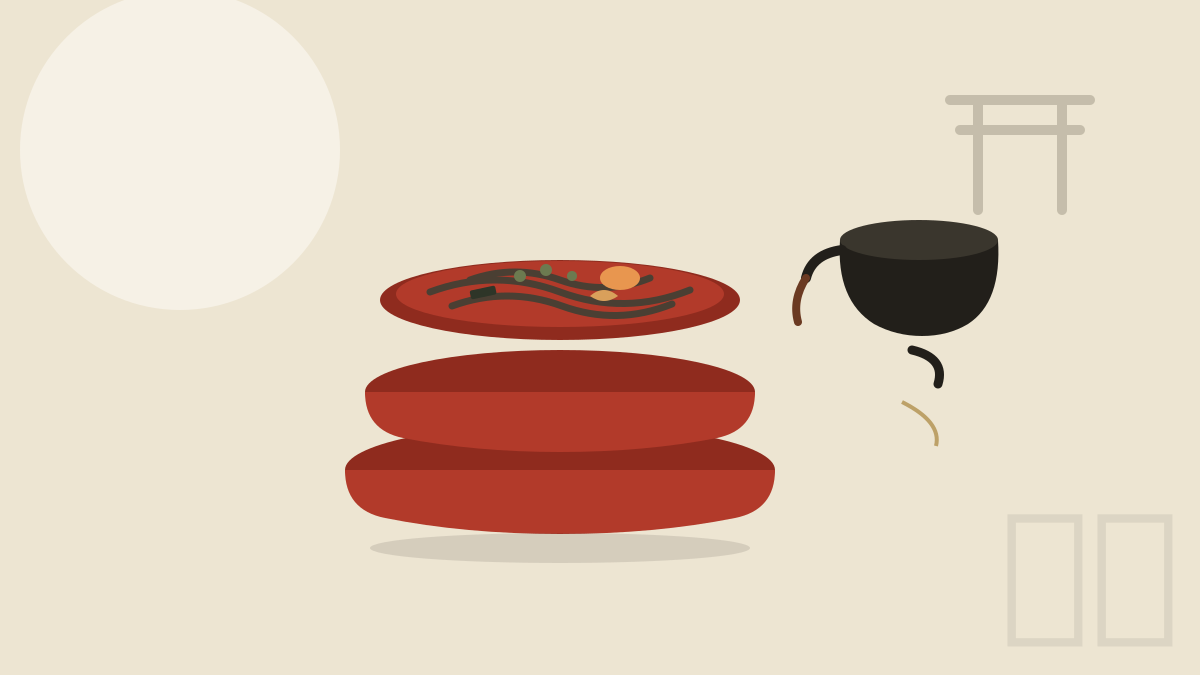
Shimane's dark whole-grain soba served warigo style — three stacked lacquer rounds, sauce poured over the noodles, an Edo-era ritual from the land of the gods.
By Japanese Cookbook Kitchen · June 16, 2026
 麺
麺- Prep
- 15 min
- Cook
- 10 min
- Serves
- 2
- Level
- Beginner
Izumo is old Japan even by Japan's standards — home to Izumo Taisha, the shrine where, tradition says, all eight million gods gather each October. Pilgrims have walked there for over a millennium, and for the last four centuries they've finished the trip the same way: with a stack of dark soba in round crimson dishes.
Izumo soba earns its color honestly. The buckwheat is milled whole, hull and all, which makes a noodle that's nuttier, darker, and more assertive than the refined Tokyo style. And the service inverts the familiar ritual: instead of dipping noodles into sauce, you pour the tsuyu over each tier of the warigo stack, cascading what's left down to the next. It sounds like trivia until you taste why — the whole-grain noodle carries flavor on its own and only wants dressing, not immersion.
We've written this for good dried soba, because hand-cutting buckwheat is a craft, not a weeknight. Buy the darkest noodle you can find, take the rinse and the sobayu seriously, and you'll get most of the way to Shimane.
Izumo pours the sauce over the soba, not the soba into the sauce. Pour less than you think, taste, add — the leftover sauce cascades to the next tier.
板前の一言 · A word from the kitchen
Ingredients材料
Serves 2
Tsuyu (pour-over sauce)
- 200 mlawase dashi
- 3 tbspsoy sauce
- 2 tbspmirin
- 1 tspsugar
Noodles & toppings
- 200 gdried soba — the darkest, highest-buckwheat noodle you can buy — inaka or juwari soba gets closest to Izumo's whole-grain style
- 2scallions, finely sliced
- momiji oroshi or grated daikon with a pinch of chili
- 1 sheetnori, shredded
- katsuobushi, a small handful
Method作り方
Step 1: Make and chill the tsuyu
Simmer dashi, soy, mirin, and sugar together 2 minutes, then chill. Izumo tsuyu is served in a small pouring pitcher, and it's a touch sweeter and rounder than Tokyo's dip.
Step 2: Cook the soba properly
Boil in abundant unsalted water per the packet, stirring once, to just past al dente. Reserve a cup of the cooking water (sobayu) before draining.
Step 3: Wash the noodles
Rinse under cold running water, rubbing gently until the water runs clear and the noodles squeak. This step is the difference between soba and sadness.
Step 4: Stack and serve
Divide the soba among small round dishes — three per person if you have them, one bowl if you don't. Top each with scallion, daikon, nori, and katsuobushi. Pour a little tsuyu directly over the first dish, eat, and tip what remains onto the next.
Step 5: Finish with sobayu
When the noodles are gone, pour the reserved cooking water into your remaining tsuyu and drink it. In Izumo this isn't optional etiquette; it's the point of the buckwheat.
道具 · The tools
Equipment
Zaru (draining basket)
ざるFor draining and serving cold noodles, and rinsing rice — a bamboo or mesh basket that lets everything breathe.
Shop on Amazon →Grater (oroshigane)
おろし金Fine, wet grating for ginger, daikon oroshi, and fresh wasabi — a Western microplane is close.
Shop on Amazon →
Equipment links are Amazon affiliate links. As an Amazon Associate we earn from qualifying purchases, at no cost to you. Disclosure.
Questions from the kitchen
What makes Izumo soba different from other soba?
The milling. Izumo grinds the whole buckwheat seed, hull included (hikigurumi), so the noodles come out dark, nutty, and more fragrant than the pale Tokyo style — and the sauce comes to the noodles, not the reverse.
What is warigo?
The stack of three round red-lacquered dishes the cold version is served in — portable soba, said to descend from Edo-period Matsue townsfolk carrying lunch to the countryside. You eat tier by tier, pouring the leftover sauce down the stack as you go.
Why is Izumo full of soba shops at all?
Credit a hungry lord: when Matsudaira Naomasa was transferred from soba-mad Shinano to Matsue in 1638, he reportedly brought his favorite soba artisans with him. Izumo Taisha's pilgrimage crowds did the rest — shrine visitors have been finishing the trip with a warigo stack for centuries.
次はこちら · Cook next
Keep the burner on
 麺
麺Noodles · 70 min · Intermediate
Weeknight Shoyu Ramen醤油ラーメン
A clear, chicken-and-dashi shoyu ramen you can honestly make on a Tuesday — with a proper tare, marinated eggs, and no ten-hour bone boil.
 麺
麺Noodles · 65 min · Intermediate
Sanuki Udon, Kake Style讃岐うどん
Kagawa's proudly chewy udon in hot iriko dashi — hand-kneaded, properly rested, and eaten with the speed and reverence Shikoku demands.
 麺
麺Noodles · 50 min · Intermediate
Tai Sōmen鯛そうめん
A Seto Inland Sea celebration platter — a whole simmered sea bream laid over a cool nest of sōmen, dressed in its own sweet-soy broth. Coastal festivity, edo-era.