Fukagawa Meshi
深川めし
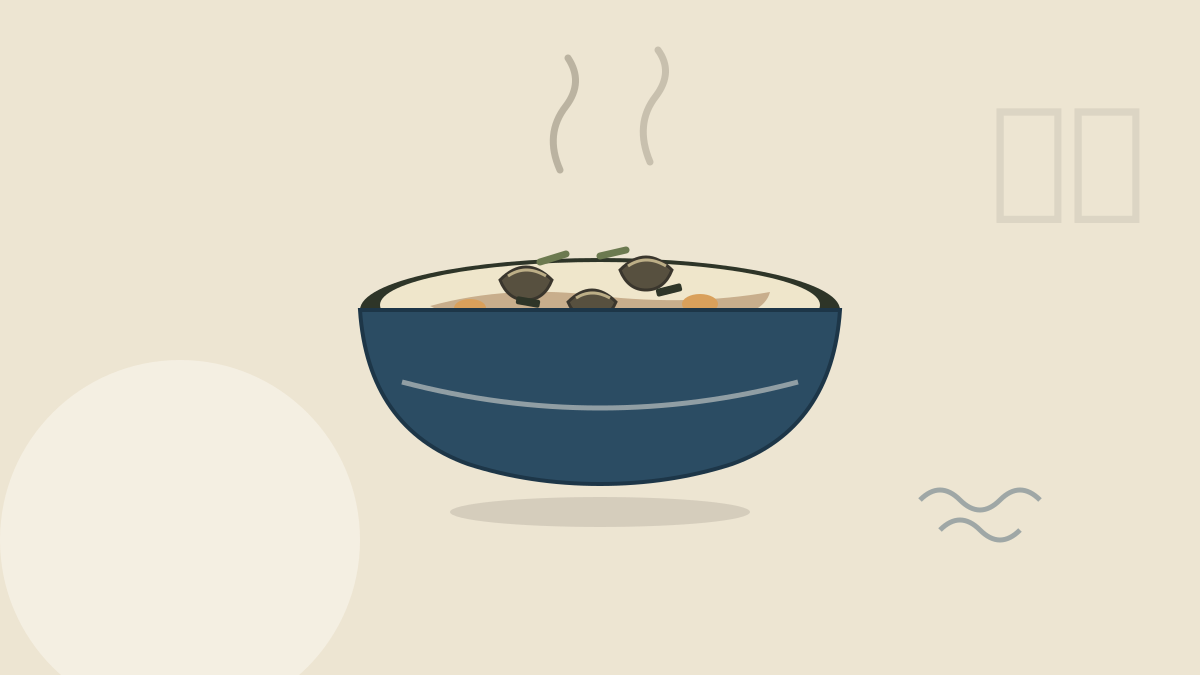
Edo's clam-and-miso rice bowl — asari simmered with negi, ladled over hot rice the way Fukagawa fishermen ate it between tides in the 1800s.
By Japanese Cookbook Kitchen · June 18, 2026
 丼
丼- Prep
- 15 min
- Cook
- 15 min
- Serves
- 2
- Level
- Beginner
Edo was a city of fast food. A million people, most of them single men far from home, and a food culture that answered with soba stands, sushi stalls, and rice bowls a working man could finish standing up. Fukagawa meshi is that world in a bowl: clams from the tidal flats at the city's edge, simmered in miso with negi, dumped without ceremony over rice.
The dish belonged to the boatmen and clam-diggers of Fukagawa, and it tastes like its job — briny, hot, sustaining, done in minutes. The whole trick is restraint: clams that barely cook, a broth built partly from their own liquor, and rice that soaks up the rest. Modern Tokyo serves refined versions in lacquer, but the recipe has never needed refinement. It needed a tide schedule.
Today asari clams peak in spring, which makes this an April dish in our kitchen — though the frozen shortcut in the FAQ turns it into a genuinely great fifteen-minute weeknight dinner year-round.
Clams overcook in the time it takes to find your ladle. The moment the last shell opens, the heat goes off — everything after that is theft from the eater.
板前の一言 · A word from the kitchen
Ingredients材料
Serves 2
- 500 gasari clams in shell — or 150 g shelled clam meat, which is period-correct too
- 300 mlawase dashi
- 2 tbspmiso
- 1 tbspsake
- 1 tspmirin
- 2negi or fat scallions, thickly sliced
- 1 knobfresh ginger, in fine needles
- 2 bowlshot cooked Japanese rice
- 1 sheetnori, shredded
Method作り方
Step 1: Purge the clams
Soak the clams 2 hours in salted water (3%) somewhere dim, then scrub the shells against each other under the tap. A gritty Fukagawa meshi is a ruined one.
Step 2: Steam them open
Put clams and sake in a lidded pot over medium heat and steam 3 to 4 minutes until they open. Pull the meat from most of the shells, keep a few whole for the bowl, and strain the pot liquor — it is liquid treasure.
Step 3: Make the miso base
Combine the dashi and the strained clam liquor, bring to a bare simmer with the negi, and cook 2 minutes. Dissolve in the miso and mirin.
Step 4: Return the clams
Slide the clam meat and ginger in, count to thirty, and kill the heat. The clams are already cooked — they're being warmed and seasoned, nothing more.
Step 5: Pour over rice
Ladle generously over hot rice so the broth soaks the top layer, top with the whole clams and shredded nori, and eat immediately with a spoon.
道具 · The tools
Equipment
Rice cooker
炊飯器Consistent short-grain rice with zero attention — the one appliance nearly every page here leans on.
Shop on Amazon →Fine sieve / muslin
こし器For straining dashi clear and dusting flour — line it with muslin or paper for the cleanest stock.
Shop on Amazon →
Equipment links are Amazon affiliate links. As an Amazon Associate we earn from qualifying purchases, at no cost to you. Disclosure.
Questions from the kitchen
What was Fukagawa?
A working waterfront district of Edo (today's Kōtō ward, Tokyo), where the Sumida River met the bay and asari clams were dredged by the boatload. Fukagawa meshi was fishermen's fast food — cheap protein over rice, eaten between tides.
Ladled or steamed? I've seen both.
Both are authentic. The fishermen's original (bukkake style, this recipe) pours the clam-miso broth over rice; the takikomi style cooks the rice in the clam liquor. The first is faster and, frankly, more fun to eat.
Can I use frozen or canned clams?
Frozen shelled asari work well — add them straight to the simmering broth for one minute. Canned clams are the emergency option; use the can juice in place of some dashi and go gently on the miso.
次はこちら · Cook next
Keep the burner on
 丼
丼Rice & Donburi · 50 min · Intermediate
Katsudonカツ丼
Crisp tonkatsu simmered with onions in sweet dashi-soy and set with barely-cooked egg over rice — the Taishō-era donburi that made yōshoku fully Japanese.
 丼
丼Rice & Donburi · 25 min · Beginner
Unadonうな丼
Kabayaki eel lacquered in sweet tare over hot rice — an Edo summer ritual with the best marketing legend in Japanese food history. Store-bought eel welcome.
 丼
丼Rice & Donburi · 45 min · Beginner
Salted Salmon Onigiri鮭お握り
Proper rice balls with salted salmon — how to cook and season the rice, shape with wet hands, and keep the nori crisp until the first bite.