Lake Shinji Shijimi Soup
しじみ汁
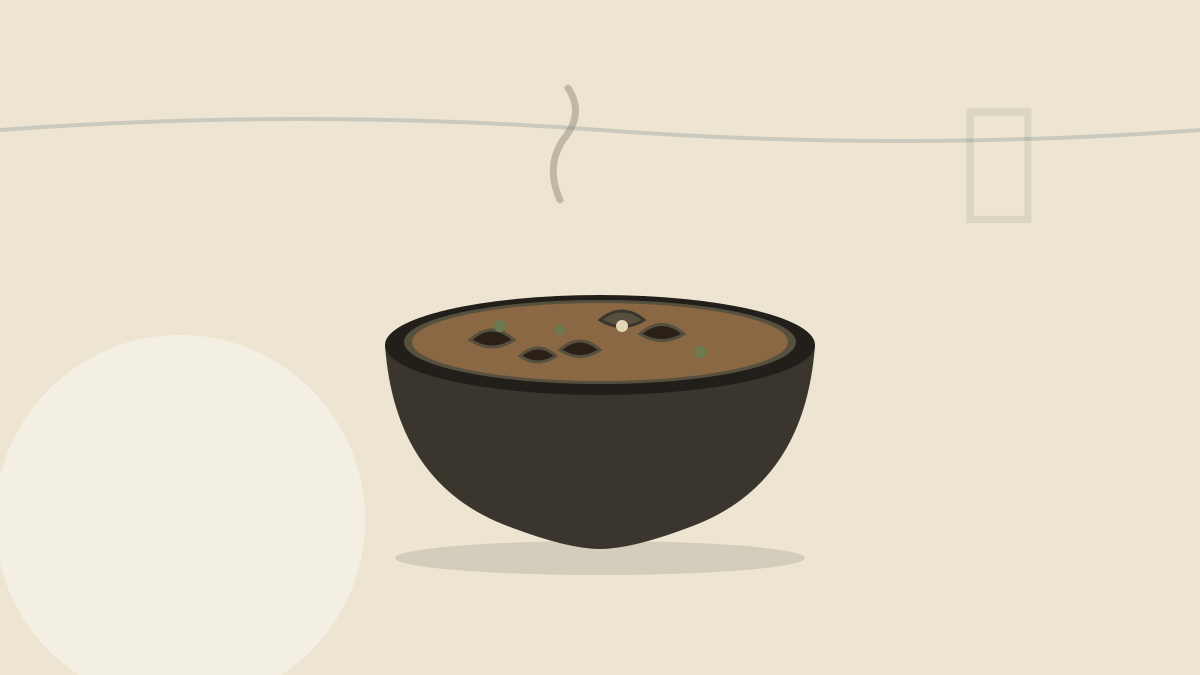
Matsue's shijimi miso soup — tiny brackish clams from Lake Shinji, one of the city's seven Edo-era delicacies, purged and simmered for enormous quiet umami.
By Japanese Cookbook Kitchen · May 11, 2026
 基本
基本- Prep
- 20 min
- Cook
- 10 min
- Serves
- 4
- Level
- Beginner
Matsue sits on Lake Shinji, a brackish lagoon where the Sea of Japan slides in to meet the river, and that in-between water grows one of the great small foods of the San'in coast: shijimi, the thumbnail-sized freshwater clam. In the Edo period the castle town codified its Shinjiko Shichinin — the seven delicacies of Lake Shinji — and shijimi has always been the humble anchor of that list, hauled up by boat rakes and sold door to door at dawn.
There is almost nothing to the soup, which is exactly why it demands care. The clam gives up a deep, clean, faintly mineral liquor only if you treat it gently: a proper purge, a cold-water start, a slow rise, and a light hand with the miso so the broth still tastes of the lake. Get those four things right and you have one of the quietest, most restorative bowls in Japan — the kind of thing Matsue drinks against a cold morning or a long night, and has for centuries.
Start shijimi in cold water, not hot dashi. A slow rise coaxes the shells open and pulls their liquor into the broth; a hot start clenches them shut and sulky.
板前の一言 · A word from the kitchen
Ingredients材料
Serves 4
- 300 glive shijimi clams — the small brackish freshwater clam — substitute the smallest asari you can find, though the flavor is rounder and less mineral
- 800 mlcold water
- 5 cmkombu — optional; shijimi make their own stock, but a small piece of kombu rounds it out
- 3 tbspmiso — Matsue leans on a red-leaning awase miso — use what you have, but go light so the clam liquor still leads
- 1scallion, thinly sliced
Method作り方
Step 1: Purge the clams
Soak the shijimi in lightly salted water — about 1% salt to mimic their brackish home — in a dark, cool spot for two to three hours. They'll spit out grit. A hidden clam that stays shut after cooking should be discarded.
Step 2: Start in cold water
Put the purged clams and the kombu in a pot with the cold water and bring it up slowly over medium-low heat. As the water warms, the shells open and release their liquor, which is the entire point of the soup.
Step 3: Skim and pull the kombu
Just before the boil, remove the kombu and skim off any foam. Let the clams simmer a bare minute once open — overcooked shijimi go rubbery and small.
Step 4: Whisk in the miso
Take the pot off direct heat. Dissolve the miso through a ladle or strainer so it disperses without clumping, then warm gently — never boil miso, or you cook off its fragrance. Finish with scallion and serve.
道具 · The tools
Equipment
Mandoline (benriner)
スライサーPaper-thin daikon, cucumber, and cabbage in seconds — the Japanese mandoline home cooks actually own.
Shop on Amazon →Fine sieve / muslin
こし器For straining dashi clear and dusting flour — line it with muslin or paper for the cleanest stock.
Shop on Amazon →
Equipment links are Amazon affiliate links. As an Amazon Associate we earn from qualifying purchases, at no cost to you. Disclosure.
Questions from the kitchen
Do you eat the clams or just drink the broth?
Both, though shijimi are tiny and fiddly. Many people in Matsue treat the broth as the prize and pick at the clams with a toothpick — the meat is sweet but small, and the liquor it gave up is the real delicacy.
Why is shijimi soup considered good for a hangover?
Shijimi are rich in ornithine and other compounds long associated with liver support, and a bowl of the hot briny broth is a Matsue morning-after fixture. Whether it's the science or the salt and warmth, it works.
Can I use dashi instead of plain water?
You don't need to — the clams are the dashi here. A small piece of kombu helps, but adding katsuobushi or bonito dashi tends to muddy the clean brackish flavor that makes Lake Shinji shijimi worth seeking out.
次はこちら · Cook next
Keep the burner on
 基本
基本Foundations · 15 min · Beginner
Everyday Miso Soup味噌汁
Tofu-and-wakame miso soup built on real dashi — with the one rule that separates good miso soup from great, and why the miso goes in last.
 基本
基本Foundations · 20 min · Intermediate
Dashimaki Tamagoだし巻き卵
Kyoto's rolled omelet saturated with awase dashi — barely sweet, quivering, poured and rolled in rhythm. The foundation skill of the Kansai kitchen.
 基本
基本Foundations · 25 min · Beginner
Awase Dashi, the Proper Way合わせ出汁
The kombu-and-katsuobushi stock underneath nearly all Japanese cooking, made properly in twenty-five minutes — and why it refuses to be rushed.