Zunda Mochi
ずんだ餅
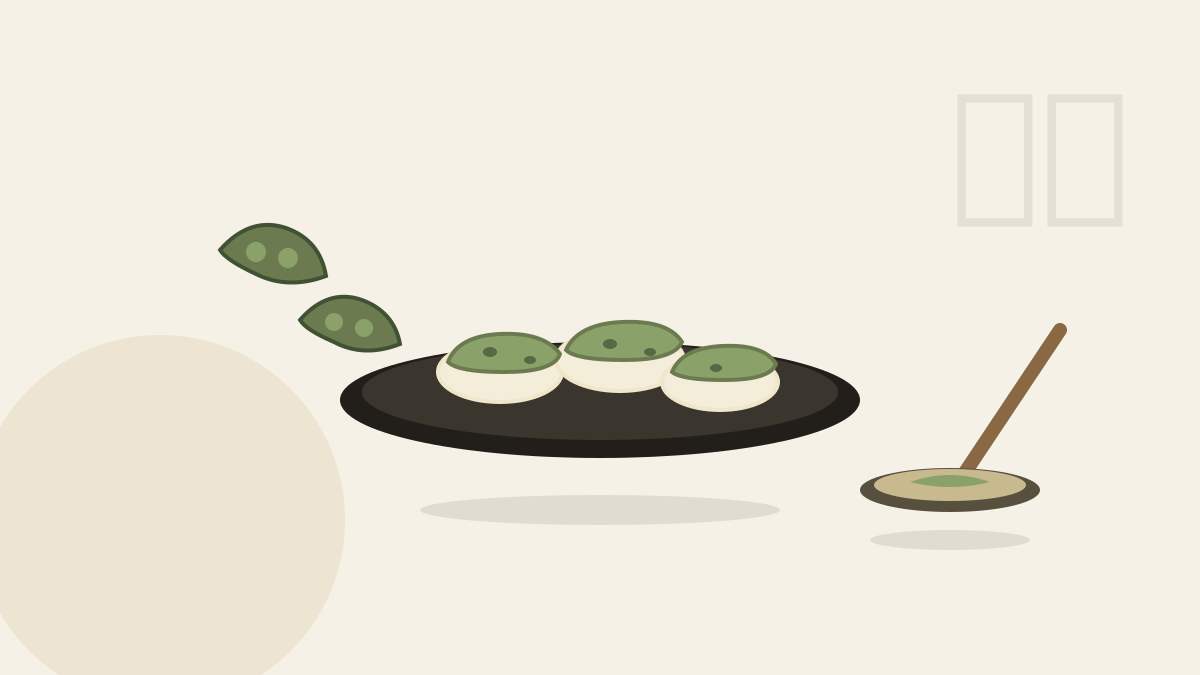
Miyagi's brilliant green sweet — young edamame crushed to a coarse, fragrant paste with sugar and a pinch of salt, folded over hot mochi. A Sendai summer rite.
By Japanese Cookbook Kitchen · May 20, 2026
 甘味
甘味- Prep
- 35 min
- Cook
- 10 min
- Serves
- 4
- Level
- Beginner
Zunda belongs to the season when Miyagi's rice paddies are still green and the soybeans planted along their ridges — aze-mame, levee beans — come in young and sweet. By the Edo period, crushing those beans into a sugared paste for mochi was established celebration food across the Sendai domain, served at Obon and harvest gatherings when fresh beans and fresh-pounded rice briefly coincided. The name's favorite origin story involves Date Masamune mashing beans with his sword pommel; it is a legend, cheerfully told, and the duller truth — an old dialect word for mashed beans — takes nothing from the dish.
What makes zunda worth the labor is the gap between its ingredients and its effect. Beans, sugar, salt; yet peeled, crushed coarse, and eaten within hours, it tastes like the smell of a shelled pea pod — grassy, faintly floral, barely sweet. The texture should catch slightly on the tongue, bean flecks against slick mochi. Sendai has lately put zunda in shakes and parfaits with great commercial success, but the mochi version remains the argument: two humble things, at their exact moment, improving each other.
Peel the thin inner skins off every single bean. It is twenty tedious minutes and it is the entire difference between zunda and green hummus on rice cakes.
板前の一言 · A word from the kitchen
Ingredients材料
Serves 4
- 400 gedamame in the pod — about 200 g shelled; frozen pods work well — this is a dish about bean freshness, and good frozen beats tired fresh
- 60 gsugar
- 1 pinchfine salt
- 2–3 tbspwater
- 8 piecesmochi — fresh-pounded if you are lucky; kirimochi (shelf-stable blocks) if you are normal
Method作り方
Step 1: Boil the edamame soft
Cook the pods in well-salted water 8 to 10 minutes — noticeably longer than for snacking. The beans must crush under a thumb, or the paste will be gritty no matter how long you pound.
Step 2: Shell and peel
Pop the beans from their pods, then slip the thin translucent skin off each one. Put on the radio. The skins are what make careless zunda fibrous and dull instead of smooth and vivid.
Step 3: Crush, don't purée
Pound the beans in a suribachi or pulse briefly in a processor, adding sugar, salt, and water a spoonful at a time. Stop while flecks of bean remain — zunda should read as crushed beans, not baby food.
Step 4: Soften the mochi
Simmer kirimochi 3 to 4 minutes until swollen and yielding, or grill then dip briefly in hot water. Drain well; wet mochi thins the paste.
Step 5: Dress and serve immediately
Fold the warm mochi through the zunda so each piece wears a thick green coat. Eat the same day, ideally the same hour — the color and the fresh-pea perfume both fade by evening.
道具 · The tools
Equipment
Suribachi & surikogi
すり鉢The ridged grinding bowl and wooden pestle for sesame, miso dressings, and hiyajiru.
Shop on Amazon →
Equipment links are Amazon affiliate links. As an Amazon Associate we earn from qualifying purchases, at no cost to you. Disclosure.
Questions from the kitchen
Does the Date Masamune sword story hold up?
The legend goes that Masamune, Sendai's founding warlord, crushed edamame with the pommel of his sword — jindachi — in the field, and that jindachi wore down to zunda. It is a good story and almost certainly folk etymology; scholars point instead to zuda or nuta, old words for mashed beans. Sendai tells the sword version anyway, and who could blame it.
Can I use frozen shelled edamame?
Yes — it saves the shelling but not the peeling, and the peeling is the step that matters. Taste a bean first; some frozen packs are salted enough that you should halve the added salt.
What else does zunda go on?
In Sendai, nearly everything: shiratama dango, milkshakes, soft-serve, toast. The paste keeps two days refrigerated with its color mostly intact, so make extra and behave like a local.
次はこちら · Cook next
Keep the burner on
 甘味
甘味Sweets & Wagashi · 45 min · Beginner
Matcha Basque Cheesecake抹茶バスクチーズケーキ
The burnt Basque cheesecake that conquered Reiwa-era Japan, rebuilt with ceremonial matcha — scorched top, molten center, and green-tea bitterness doing the work of coffee.
 甘味
甘味Sweets & Wagashi · 60 min · Beginner
Aomori Baked Apples焼きりんご
Aomori Fuji apples baked with butter and honey until collapsing and caramelized — a Meiji-era orchard sweet from Japan's apple country, warm from the oven.
 甘味
甘味Sweets & Wagashi · 35 min · Beginner
Dorayakiどら焼き
Honey-sweet pancake sandwiches filled with red bean paste — a beloved wagashi you can make in a skillet, plus a quick anko from canned azuki.