Shōyu Mame
しょうゆ豆
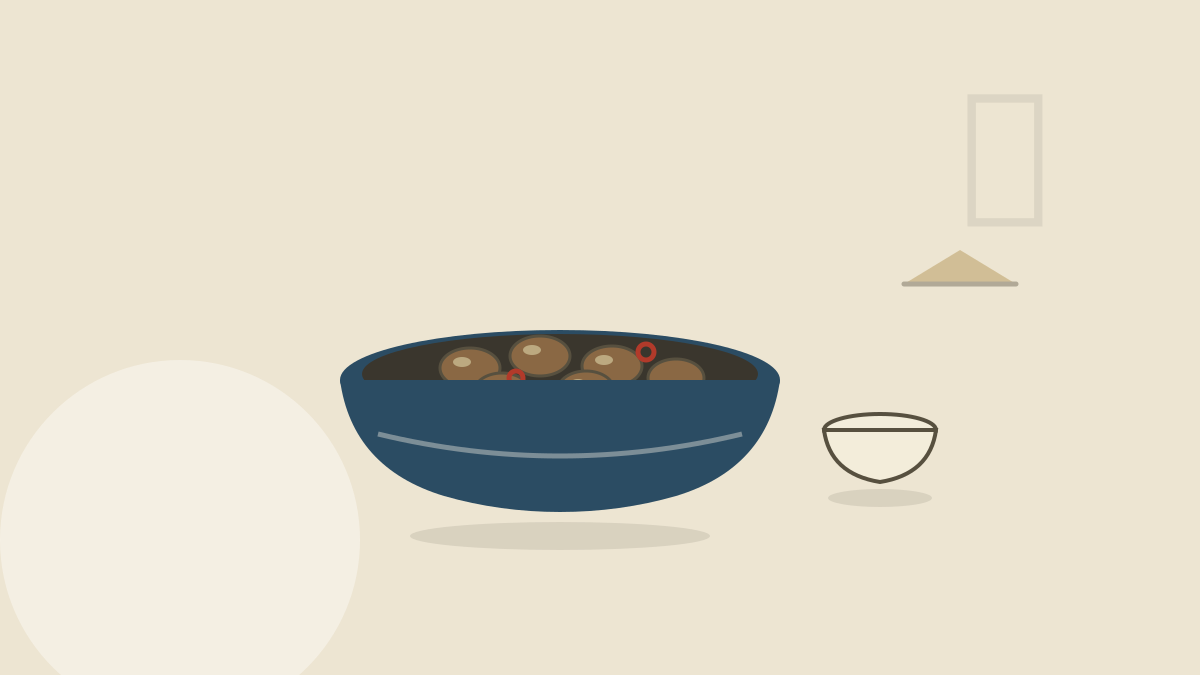
Kagawa's roasted broad beans steeped in sweetened soy and chili — nutty, snappy, faintly bitter, and made for a glass of something cold. The udon shop's quiet sidekick.
By Japanese Cookbook Kitchen · May 12, 2026
 居酒屋
居酒屋- Prep
- 10 min
- Cook
- 15 min
- Serves
- 6
- Level
- Beginner
Kagawa — old Sanuki — sits on the henro, the 1,200-kilometer pilgrimage around Shikoku's eighty-eight temples, and feeding walkers has been part of the province's economy and etiquette since the route settled into shape in the Edo period. Shōyu mame is the snack that tradition claims for itself: the story goes that a woman roasting broad beans for passing pilgrims spilled a few into a jar of soy sauce, and a pilgrim — Kōbō Daishi, in the grandest tellings — declared the accident a dish. Legend, plainly. What is fact is the pantry that made it possible: Sanuki grew beans on its dry plain and pressed its own soy in Shōdoshima's famous barrel breweries.
The dish is pure Kagawa engineering — three cheap ingredients and one clever move. Roasting a dried bean and drowning it hot in seasoned soy skips the soak, skips the simmer, and lands somewhere no other bean dish quite goes: crisp-tender, sweet, salty, a little bitter at the finish. Every udon shop in the prefecture keeps a bowl by the register. Make a batch on Sunday and discover, by Wednesday, that you are rationing beans.
The bean must go into the marinade roasted and still hot — that thermal shock is what lets the soy penetrate a dried bean without long simmering. Cold beans just sit there and sulk.
板前の一言 · A word from the kitchen
Ingredients材料
Serves 6
Beans
- 200 gdried broad beans (soramame), skin on — sold as dried fava or habas; do not soak them first
Steeping liquid
- 100 mlsoy sauce
- 60 gsugar
- 80 mlwater
- 1 tbspsake
- 1dried red chili, sliced into thin rings
Method作り方
Step 1: Mix the marinade first
Stir the soy, sugar, water, sake, and chili in a heatproof bowl until the sugar dissolves. It must be ready and waiting — the beans go in the moment they leave the pan, and they will not wait for you.
Step 2: Roast the beans slowly
Toast the dried beans in a dry heavy skillet over medium-low heat, shaking often, 12 to 15 minutes. You want the skins spotted deep brown and a toasty smell like coffee just starting — a scorched bean turns bitter, so keep them moving.
Step 3: Steep them hot
Tip the hot beans straight into the marinade — they will hiss and crackle, which is the sound of the skins opening to drink. Press a small plate on top so every bean stays submerged.
Step 4: Wait, honestly
Rest at room temperature at least 8 hours, better a full day, until the beans are tender-firm with a gentle snap. They keep a week refrigerated and improve for the first three days. Serve at room temperature, skins on, with drinks or a bowl of udon.
道具 · The tools
Equipment
Nonstick frying pan
フライパンFor chanpurū, gyoza, pancakes, and anything that needs a clean release and even browning.
Shop on Amazon →
Equipment links are Amazon affiliate links. As an Amazon Associate we earn from qualifying purchases, at no cost to you. Disclosure.
Questions from the kitchen
The beans are still hard the next morning — what went wrong?
Usually the beans were old or the roast too timid. Very stale beans can take 36 hours to soften; give them more time before giving up. If the marinade cooled before the beans went in, that thermal shock was lost — reheat the liquid to a simmer, pour it back over, and wait.
Do I eat the skins?
Yes — that is half the dish. The roasted skin carries the toasty bitterness that keeps the sweet soy from turning cloying, and the slight chew is the texture Kagawa expects. Peeled shōyu mame would be a different, blander food.
Where does the pilgrim story come in?
The legend goes that an old woman roasting beans for pilgrims on the 88-temple route dropped some into a pot of soy sauce; a passing pilgrim — in some tellings Kōbō Daishi himself — ate them and pronounced them delicious. It is a story, not a record, but it is how Kagawa likes to explain the dish.
次はこちら · Cook next
Keep the burner on
 居酒屋
居酒屋Izakaya · 25 min · Beginner
Gōya Chanpurūゴーヤーチャンプルー
Okinawa's bitter melon stir-fry with tofu, pork, and egg — the Ryūkyū Kingdom's everyday masterpiece, and the honest way to make peace with gōya.
 居酒屋
居酒屋Izakaya · 40 min · Beginner
Osaka Okonomiyakiお好み焼き
Osaka's cabbage-and-batter griddle cake with pork belly, sauce, and dancing katsuobushi — postwar street food perfected. Dashi in the batter is the difference.
 居酒屋
居酒屋Izakaya · 35 min · Intermediate
Chicken Karaage鶏の唐揚げ
Japanese fried chicken with a soy-ginger marinade, a potato-starch crust, and the double-fry that keeps it crackling — izakaya standard, home method.