Miyazaki Hiyajiru
冷や汁
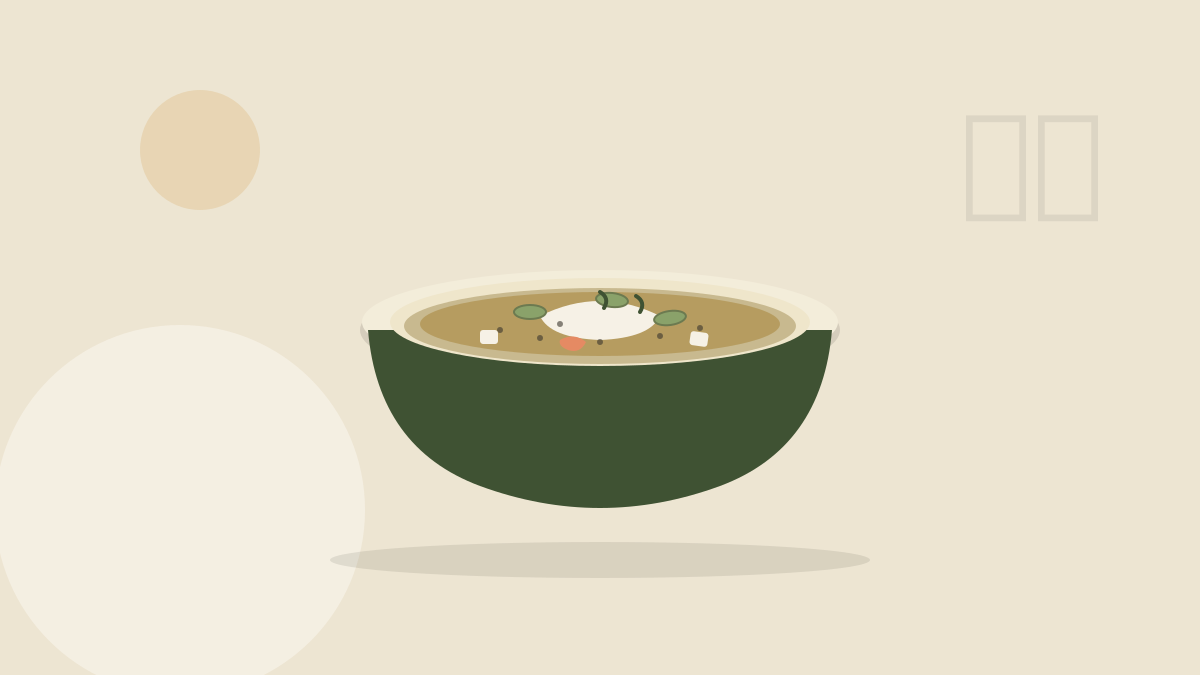
Miyazaki's cold miso-and-sesame broth poured over hot rice — roasted miso, ground sesame, tofu, and cucumber; farmers' summer survival food from the fields of southern Kyūshū.
By Japanese Cookbook Kitchen · June 15, 2026
 丼
丼- Prep
- 25 min
- Cook
- 5 min
- Serves
- 2
- Level
- Beginner
Hiyajiru is what you make when the summer is trying to kill you and you still have to eat. In Miyazaki, the prefecture along Kyūshū's humid southeastern coast, farmers and fishers built a meal out of the coolest possible logic: roast miso and ground sesame for savor, thin it with cold dashi, load it with tofu and crisp cucumber and shiso, and pour the whole cold, toasty broth over hot rice. The tradition often credits Buddhist monks with spreading the dish from temple kitchens along their travels — a satisfying story that historians treat as legend more than record. What isn't in doubt is its purpose: fuel for bodies with no appetite, in a heat that leaves you none.
The one step that separates real hiyajiru from a sad cold miso soup is the roasting. Sesame is toasted and ground to release its oil; the miso is charred until it turns nutty and aromatic, the way it once was smeared on a bowl and held over embers. That toasted depth, served ice-cold against warm rice, is the paradox that makes the dish crave-worthy. It is peasant food in the best sense — clever, frugal, and exactly what the climate demanded.
Roast the miso until it smells nutty and toasty — that char is the entire flavor of hiyajiru, the thing that turns a plain cold soup into something you crave in the heat. Under-roast it and the dish tastes flat and raw.
板前の一言 · A word from the kitchen
Ingredients材料
Serves 2
The cold broth
- 4 tbspwhite sesame seeds — toasted and ground; the more you grind, the silkier the broth
- 4 tbspmugi miso (barley miso) — the southern-Kyūshū style; a mellow awase miso also works
- 400 mlcold awase dashi — made ahead and thoroughly chilled — the soup is served cold
- 1grilled fish fillet — traditionally aji (horse mackerel), flaked; optional but classic
To fold in and top
- 1/2 blockfirm tofu, hand-crumbled
- 1cucumber, sliced paper-thin — salted and squeezed to stay crisp in the cold broth
- 4shiso leaves, shredded
- 2myoga, thinly sliced — optional; its ginger-floral bite is very Miyazaki
- 2 tbspscallion, sliced
- 2 bowlshot cooked rice — hot rice under cold broth — the contrast is the whole point
Method作り方
Step 1: Toast and grind the sesame
Toast the sesame seeds in a dry pan until they pop and smell nutty, then grind them in a suribachi to a coarse paste. This releases the oil that gives the broth its body; pre-ground sesame is thinner and less fragrant.
Step 2: Roast the miso
Spread the miso and ground sesame together on foil and grill or toast it until the surface darkens and turns aromatic — this roasting is the signature step of hiyajiru and the difference between the real thing and a cold miso soup. Traditionally the paste was smeared on a bowl and toasted over embers.
Step 3: Loosen with cold dashi
Whisk the cold dashi into the roasted miso-sesame paste a little at a time until smooth, then stir in the flaked grilled fish if using. Taste — it should be savory, toasty, and just salty enough to season the rice.
Step 4: Add tofu and vegetables
Fold in the crumbled tofu, salted-and-squeezed cucumber, shiso, myoga, and scallion. Chill the whole bowl of broth for at least twenty minutes; a truly cold broth is essential in the heat this dish was built for.
Step 5: Pour over hot rice
Mound hot rice in each bowl and ladle the cold broth over it. The clash of hot grains and cold, toasty soup is exactly the point — it goes down when nothing else will on a brutal summer day.
道具 · The tools
Equipment
Rice cooker
炊飯器Consistent short-grain rice with zero attention — the one appliance nearly every page here leans on.
Shop on Amazon →Stovetop fish grill
焼き網A yakiami grate for salted fish, mochi, and reviving nori over an open flame.
Shop on Amazon →Suribachi & surikogi
すり鉢The ridged grinding bowl and wooden pestle for sesame, miso dressings, and hiyajiru.
Shop on Amazon →Mandoline (benriner)
スライサーPaper-thin daikon, cucumber, and cabbage in seconds — the Japanese mandoline home cooks actually own.
Shop on Amazon →
Equipment links are Amazon affiliate links. As an Amazon Associate we earn from qualifying purchases, at no cost to you. Disclosure.
Questions from the kitchen
Why pour cold soup over hot rice?
Because that contrast is the whole dish. Hiyajiru was built for the humid, punishing summers of southern Kyūshū, when field workers had no appetite for a hot meal but still needed rice, protein, and salt. Cold, savory broth over warm rice slips down easily and revives you — it is functional food that happens to be delicious.
Where does hiyajiru come from?
It's the signature summer food of Miyazaki Prefecture, though versions exist across Kyūshū and beyond. It began as farmers' and fishers' fuel — quick, cooling, made from pantry staples. A common tradition holds that the dish spread through Buddhist temples, carried by traveling monks, but that monk-transmission story is best treated as a well-worn legend rather than documented history.
Can I make it without a suribachi?
A suribachi gives the silkiest sesame, but a food processor or a sturdy mortar will do, and in a pinch good-quality sesame paste (nerigoma) loosened with the miso works. Whatever you use, don't skip toasting the sesame and roasting the miso — those two heat steps carry the flavor.
次はこちら · Cook next
Keep the burner on
 丼
丼Rice & Donburi · 50 min · Intermediate
Katsudonカツ丼
Crisp tonkatsu simmered with onions in sweet dashi-soy and set with barely-cooked egg over rice — the Taishō-era donburi that made yōshoku fully Japanese.
 丼
丼Rice & Donburi · 25 min · Beginner
Unadonうな丼
Kabayaki eel lacquered in sweet tare over hot rice — an Edo summer ritual with the best marketing legend in Japanese food history. Store-bought eel welcome.
 丼
丼Rice & Donburi · 45 min · Beginner
Salted Salmon Onigiri鮭お握り
Proper rice balls with salted salmon — how to cook and season the rice, shape with wet hands, and keep the nori crisp until the first bite.