Kenchin-jiru
けんちん汁
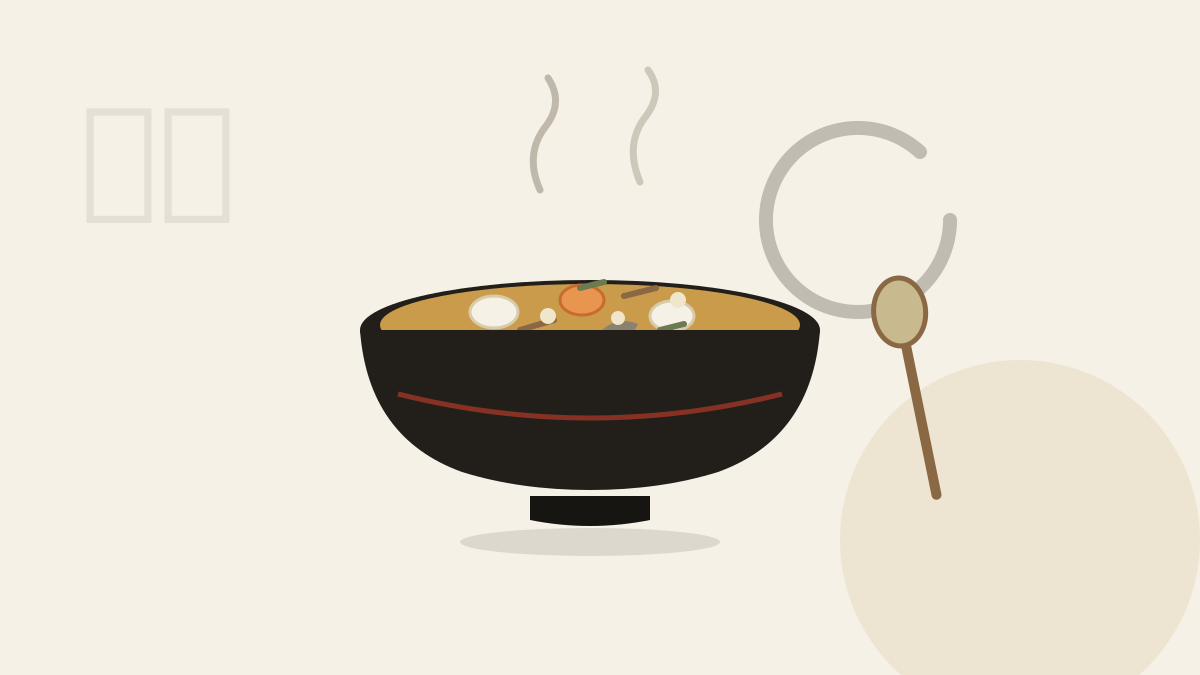
The Zen temple vegetable soup from 13th-century Kamakura — root vegetables and tofu seared in sesame oil, simmered in kombu-shiitake dashi. Fully vegan by design.
By Japanese Cookbook Kitchen · June 10, 2026
関東 KantōKamakura era, 1185–1333
 鍋
鍋- Prep
- 20 min
- Cook
- 25 min
- Serves
- 4
- Level
- Beginner
In 1253, when the shogunate built Kenchō-ji — Japan's first full Zen training monastery, in the hills of Kamakura — it imported more than doctrine. Zen kitchens ran on shōjin ryōri, Buddhist temple cooking: no meat, no fish, no waste, and no self-pity about any of it. Out of those kitchens came much of what Japan now takes for granted — tofu craft, seasonal discipline, and the idea that cooking is itself a practice.
Kenchin-jiru is the dish that carries the whole philosophy. With no katsuobushi allowed, depth has to come from elsewhere: kombu and dried shiitake steeped cold, and — the masterstroke — vegetables and crumbled tofu seared in toasted sesame oil before the broth goes in. That sear is why a bowl of root vegetables in clear broth tastes rich enough to end an argument.
Eight centuries later it's still on the menu at Kenchō-ji, and in half the home kitchens of the Kantō plain every winter. Cook it once for the history; you'll repeat it because it's the best vegetable soup technique you own.
The sesame-oil sear is the whole dish. A monk with no meat and no fish stock still found depth — he found it in the pan, before the water ever went in.
板前の一言 · A word from the kitchen
Ingredients材料
Serves 4
Shōjin dashi
- 1 Lcold water
- 10 gkombu
- 4dried shiitake — no katsuobushi — temple rules, and the soup doesn't miss it
The soup
- 150 gdaikon, in quarter-moons
- 1carrot, in quarter-moons
- 100 ggobō (burdock root) — shaved; substitute parsnip with a note of apology
- 200 gfirm tofu — pressed 15 minutes, then crumbled by hand
- 1 blockkonnyaku, torn small
- 1.5 tbsptoasted sesame oil
- 2.5 tbspsoy sauce — or 2 tbsp soy + 1 tsp salt for a lighter, more Kyoto-leaning bowl
- 1negi or scallion, sliced, to finish
Method作り方
Step 1: Cold-steep the dashi
Put kombu and dried shiitake in the water and steep at least 2 hours — overnight in the fridge is ideal. Warm to just under a simmer, then remove the kombu. Slice the rehydrated shiitake and keep them for the pot.
Step 2: Sear the vegetables in sesame oil
Heat the sesame oil in a heavy pot over medium-high and stir-fry the daikon, carrot, gobō, and konnyaku for 3 to 4 minutes, until the edges catch and the kitchen smells toasted.
Step 3: Add the tofu
Crumble in the tofu and fry 2 minutes more, letting it take a little color. The ragged crumbles soak up broth the way neat cubes never do.
Step 4: Simmer
Pour in the dashi with the sliced shiitake and simmer 15 minutes, until the daikon is translucent and tender.
Step 5: Season and serve
Stir in the soy sauce, taste, and serve showered with negi. Like most simmered things, it is measurably better the next day.
道具 · The tools
Equipment
Donabe
土鍋The clay hot-pot that makes nabemono taste like nabemono — a gentle, even simmer that carries straight to the table.
Shop on Amazon →Heavy pot / Dutch oven
厚手鍋Deep, heat-retentive, and stable — for deep-frying without temperature crashes and long simmers without scorching.
Shop on Amazon →
Equipment links are Amazon affiliate links. As an Amazon Associate we earn from qualifying purchases, at no cost to you. Disclosure.
Questions from the kitchen
What does "kenchin" mean?
The dominant story ties it to Kenchō-ji, the great Zen monastery founded in Kamakura in 1253, where the soup fed monks in training — kenchō-jiru worn down to kenchin-jiru by seven centuries of use. The temple still serves it.
Why crumble the tofu instead of cubing it?
Temple frugality with a texture payoff. Legend says a Kenchō-ji monk dropped a block of tofu, and the founding abbot rinsed the pieces and cooked them anyway. Crumbled tofu also grips the broth — a cube slips through it.
Is this really vegan?
Completely, and it always has been — shōjin ryōri forbids meat and fish, so the dashi is kombu and shiitake only. It's the most useful vegan recipe on this site: the shōjin dashi underneath it upgrades any vegetable soup you own.
次はこちら · Cook next
Keep the burner on
 鍋
鍋Nabemono & Soups · 45 min · Beginner
Ishikari Nabe石狩鍋
Hokkaidō's salmon and miso hot pot, born on the Ishikari River in the Meiji fishing boom — sweet corn, potatoes, and a knob of butter at the end.
 鍋
鍋Nabemono & Soups · 55 min · Beginner
Imoni芋煮
Yamagata's taro and beef stew, simmered in soy and sake — the dish an entire prefecture cooks together on riverbanks every autumn since Edo times.
 鍋
鍋Nabemono & Soups · 65 min · Intermediate
Hōtōほうとう
Yamanashi's wide flat noodles simmered straight in miso broth with kabocha — the one-pot field ration that fed Takeda Shingen's armies in the Sengoku era.