Sudachi Soba
すだち蕎麦
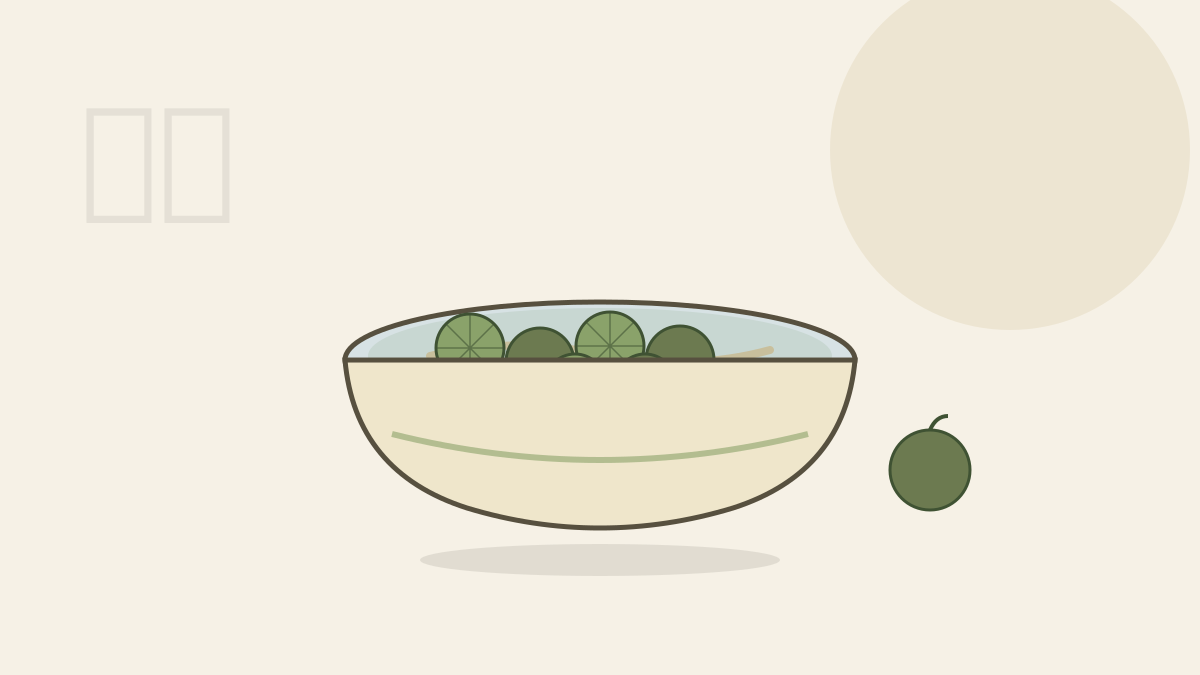
Tokushima's cold soba shingled with paper-thin sudachi wheels — a bright, modern classic built on the prefecture's signature green citrus.
By Japanese Cookbook Kitchen · June 2, 2026
四国 ShikokuHeisei & Reiwa era, 1989–present
 麺
麺- Prep
- 15 min
- Cook
- 10 min
- Serves
- 2
- Level
- Beginner
Not every regional dish is old, and Tokushima is refreshingly honest about this one. Sudachi soba is a modern classic — a creation of recent decades rather than the Edo hearth — built to show off the prefecture's signature crop. Tokushima grows the overwhelming majority of Japan's sudachi, a small green citrus picked while still green and valued for fragrance and a clean, cutting acidity. When a region grows almost all of something, it finds new ways to eat it, and shingling paper-thin sudachi over a bowl of cold soba is exactly the kind of bright, photogenic idea a proud citrus country dreams up.
The technique is simple and the discipline is in the timing. Keep the broth light — a chilled awase dashi barely seasoned with usukuchi soy and mirin, made to be drunk. Rinse the boiled soba hard in cold water to strip its starch and firm it. Then slice the sudachi as thin as translucency allows and lay the wheels across the surface like green scales, added last so they perfume rather than embitter. The first mouthful is cold, savory, and suddenly, cleanly sour — summer in a prefecture that turned its most abundant fruit into a bowl.
Slice the sudachi as thin as you dare and float them late. Left too long in the broth the pith turns bitter — you want perfume and a clean sour edge, not a grimace.
板前の一言 · A word from the kitchen
Ingredients材料
Serves 2
Broth
- 500 mlawase dashi, chilled
- 2 tbspusukuchi (light) soy sauce
- 1 tbspmirin — warmed briefly to burn off the alcohol, then cooled
- 1 pinchsalt
To serve
- 200 gdried soba
- 4sudachi — the small green Tokushima citrus; a mix of lime and yuzu is the nearest substitute but nothing is quite it
- grated ginger or a little wasabi, optional
Method作り方
Step 1: Mix and chill the broth
Combine the cold awase dashi with the usukuchi soy, cooled mirin, and a pinch of salt. Keep it light in both color and salt — this is a broth to drink, and the sudachi will sharpen it. Chill until cold.
Step 2: Slice the sudachi
Slice the sudachi into rounds as thin as you can manage, flicking out any seeds. You want translucent green wheels that will shingle across the surface of the bowl. Do this last so they stay fresh.
Step 3: Cook and shock the soba
Boil the soba to the package time, then drain and rinse hard under cold water, rubbing off the surface starch until the noodles are cold and clean. Drain them well.
Step 4: Assemble cold
Bowl the drained soba, pour over the chilled broth, and shingle the sudachi wheels across the top so they cover the surface like scales. Serve at once with ginger or wasabi alongside if you like.
道具 · The tools
Equipment
Zaru (draining basket)
ざるFor draining and serving cold noodles, and rinsing rice — a bamboo or mesh basket that lets everything breathe.
Shop on Amazon →Grater (oroshigane)
おろし金Fine, wet grating for ginger, daikon oroshi, and fresh wasabi — a Western microplane is close.
Shop on Amazon →
Equipment links are Amazon affiliate links. As an Amazon Associate we earn from qualifying purchases, at no cost to you. Disclosure.
Questions from the kitchen
Is this an old dish?
No, and Tokushima doesn't pretend otherwise. Sudachi soba is a modern classic — a Heisei-and-later creation that rides the prefecture's most famous crop rather than any deep tradition. Tokushima grows the overwhelming majority of Japan's sudachi, and this bright bowl is the kind of dish a citrus region invents to show off.
What exactly is sudachi?
A small, round, green citrus, picked while still green and prized for its fragrance and clean acidity rather than sweetness. It is almost synonymous with Tokushima. If you can't find it, a squeeze of lime with a little yuzu gets you in the neighborhood, though the perfume is its own.
Can I serve it hot?
You can float sudachi over hot soba too, and it's lovely, but add the wheels at the very end and eat quickly — heat pulls bitterness from the pith fast. Cold is where this dish is at its most striking anyway.
次はこちら · Cook next
Keep the burner on
 麺
麺Noodles · 70 min · Intermediate
Weeknight Shoyu Ramen醤油ラーメン
A clear, chicken-and-dashi shoyu ramen you can honestly make on a Tuesday — with a proper tare, marinated eggs, and no ten-hour bone boil.
 麺
麺Noodles · 25 min · Beginner
Izumo Soba出雲そば
Shimane's dark whole-grain soba served warigo style — three stacked lacquer rounds, sauce poured over the noodles, an Edo-era ritual from the land of the gods.
 麺
麺Noodles · 65 min · Intermediate
Sanuki Udon, Kake Style讃岐うどん
Kagawa's proudly chewy udon in hot iriko dashi — hand-kneaded, properly rested, and eaten with the speed and reverence Shikoku demands.