Sanuki Udon, Kake Style
讃岐うどん
Kagawa's proudly chewy udon in hot iriko dashi — hand-kneaded, properly rested, and eaten with the speed and reverence Shikoku demands.
By Japanese Cookbook Kitchen · June 14, 2026
 麺
麺- Prep
- 45 min
- Cook
- 20 min
- Serves
- 4
- Level
- Intermediate
Shikoku is the island of the eighty-eight temple pilgrimage, and Kagawa — old Sanuki province, its smallest corner — is where pilgrims and everyone else eat udon. Not occasionally: structurally. The prefecture has more udon shops per person than anywhere in Japan, schoolchildren tour noodle factories, and the local legend credits the dish to Kōbō Daishi himself, the Heian-era monk who carried Buddhism — and, Kagawa insists, noodle technique — home from China in 806.
What makes a bowl Sanuki is koshi: a dense, springy, alive chew that cheap udon doesn't have and can't fake. It comes from a hard, well-salted dough and an unhurried rest — nothing exotic, just discipline. The broth is the region speaking too: iriko dashi, built on dried sardines from the Seto Inland Sea, lighter in color and saltier in soul than Tokyo's.
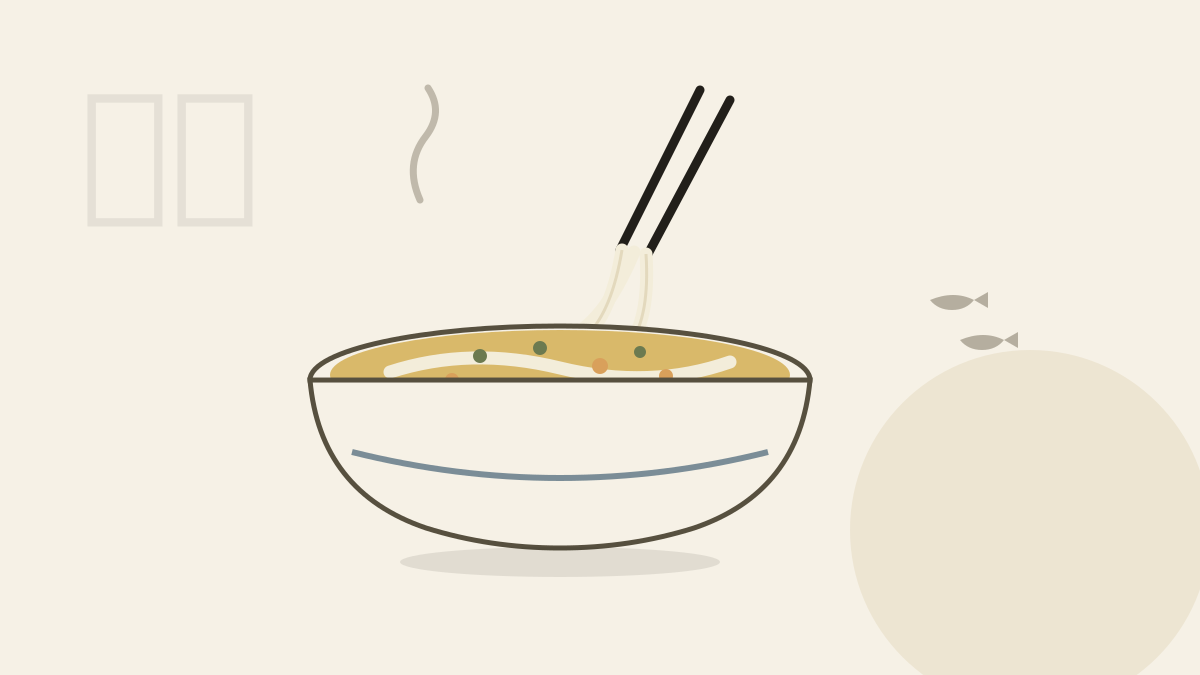
The kake bowl here is udon at its most honest — noodles, hot broth, scallions, done. If your noodles have real koshi, you'll understand why Kagawa never felt the need to add much else.
Sanuki udon is judged by koshi — the live, springy resistance at the center of the noodle. Salt in the dough and a real rest are where koshi comes from. Skip neither.
板前の一言 · A word from the kitchen
Ingredients材料
Serves 4
Noodles
- 300 gall-purpose flour — or udon flour if you can get it
- 140 mlwater
- 15 gsalt
Iriko dashi & bowl
- 1 Lwater
- 25 giriko / niboshi (dried baby sardines) — heads and guts pinched off for a cleaner broth
- 8 gkombu
- 2.5 tbspusukuchi (light) soy sauce — regular soy works; the broth will just be darker than Kagawa likes
- 1 tbspmirin
- 2scallions, thinly sliced
- shichimi tōgarashi and tempura crumbs, at the table
Method作り方
Step 1: Make a stiff, salty dough
Dissolve the salt fully in the water, then work it into the flour. The dough will feel stubborn — that's correct. Knead 10 minutes (the Kagawa method is to bag it and tread it underfoot in clean socks, and we're not joking), then rest it, wrapped, 2 hours or overnight in the fridge.
Step 2: Steep the iriko dashi
Soak iriko and kombu in the water 30 minutes, warm slowly to just under a boil, pull the kombu, simmer the iriko 5 gentle minutes, and strain. Season with usukuchi soy and mirin. This sardine broth, not katsuobushi, is Kagawa's signature.
Step 3: Roll and cut
Roll the rested dough to 3 mm and cut into 3 mm noodles — square in cross-section, dusted well. Uniformity matters more than thinness; uneven noodles cook unevenly.
Step 4: Boil hard, wash hard
Boil in a large pot of unsalted water 8 to 10 minutes until just cooked through, then wash vigorously in cold water to strip surface starch and set the koshi.
Step 5: Assemble the kake bowl
Dip the noodles briefly in hot water to rewarm, bowl them, and ladle over the hot iriko broth. Scallions on top, shichimi and tempura crumbs to taste, and eat immediately — a Sanuki bowl waits for no one and never has.
道具 · The tools
Equipment
Portable gas burner
カセットコンロThe tabletop butane burner that turns any nabe into a shared meal — cook and eat from the same pot.
Shop on Amazon →Zaru (draining basket)
ざるFor draining and serving cold noodles, and rinsing rice — a bamboo or mesh basket that lets everything breathe.
Shop on Amazon →Mandoline (benriner)
スライサーPaper-thin daikon, cucumber, and cabbage in seconds — the Japanese mandoline home cooks actually own.
Shop on Amazon →Fine sieve / muslin
こし器For straining dashi clear and dusting flour — line it with muslin or paper for the cleanest stock.
Shop on Amazon →
Equipment links are Amazon affiliate links. As an Amazon Associate we earn from qualifying purchases, at no cost to you. Disclosure.
Questions from the kitchen
Is udon really Heian-era?
The legend is: Kagawa says Kūkai (Kōbō Daishi), the Heian monk born there in 774, brought noodle-making home from Tang China. Historians argue over what that proto-noodle was; udon as we know it firms up centuries later. We tag the dish to its legend and tell you honestly that it is one.
Why is Kagawa so obsessed with udon?
Geography wrote the menu — Japan's smallest prefecture is dry and rice-poor but grows good wheat, harvests salt from the Inland Sea, and nets iriko off its coast. Flour, salt, sardine broth: the entire dish grows within sight of itself. Kagawa now eats more udon per capita than anywhere in Japan, by a scandalous margin.
Can I use frozen udon?
For weeknights, absolutely — frozen Sanuki-style udon is one of the best products in the freezer aisle, far better than dried. But make the dough by hand once. Koshi you have kneaded yourself recalibrates what you accept from a package.
次はこちら · Cook next
Keep the burner on
 麺
麺Noodles · 70 min · Intermediate
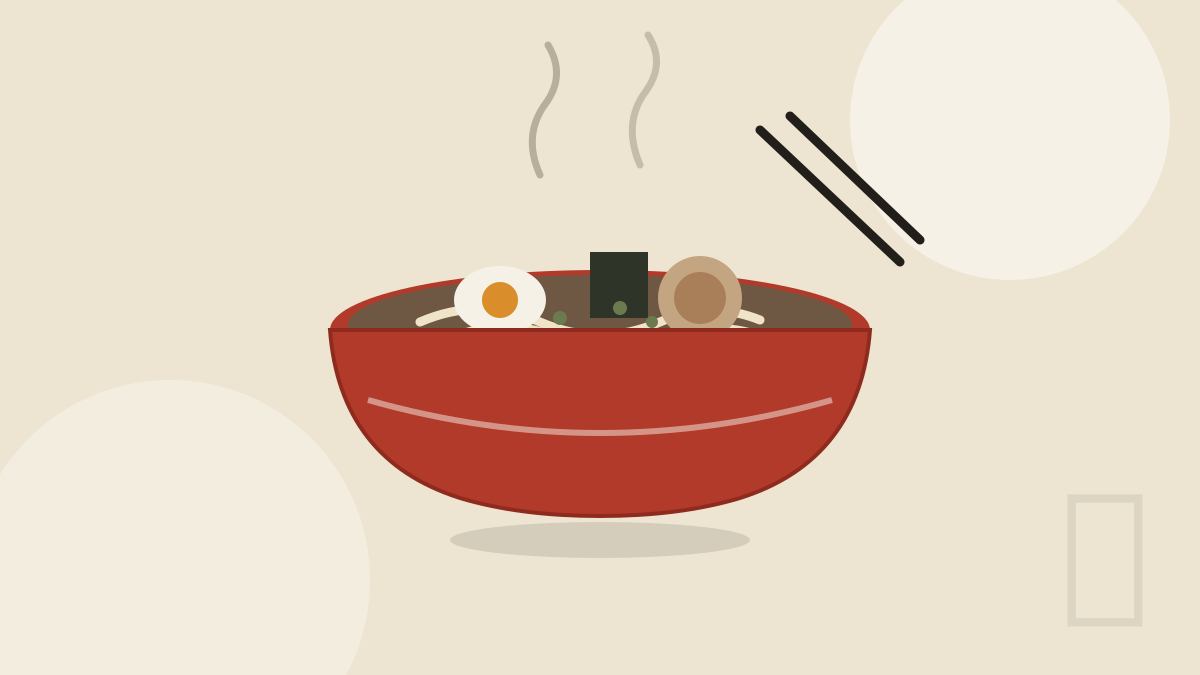
Weeknight Shoyu Ramen醤油ラーメン
A clear, chicken-and-dashi shoyu ramen you can honestly make on a Tuesday — with a proper tare, marinated eggs, and no ten-hour bone boil.
 麺
麺Noodles · 25 min · Beginner
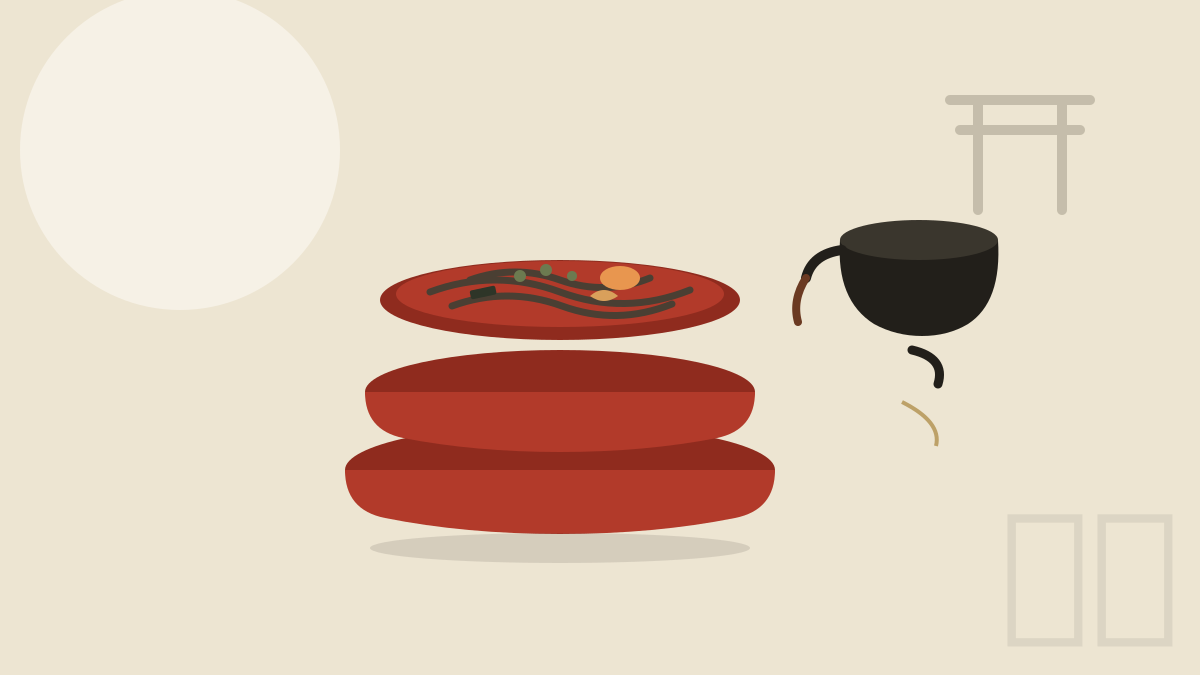
Izumo Soba出雲そば
Shimane's dark whole-grain soba served warigo style — three stacked lacquer rounds, sauce poured over the noodles, an Edo-era ritual from the land of the gods.
 麺
麺Noodles · 50 min · Intermediate
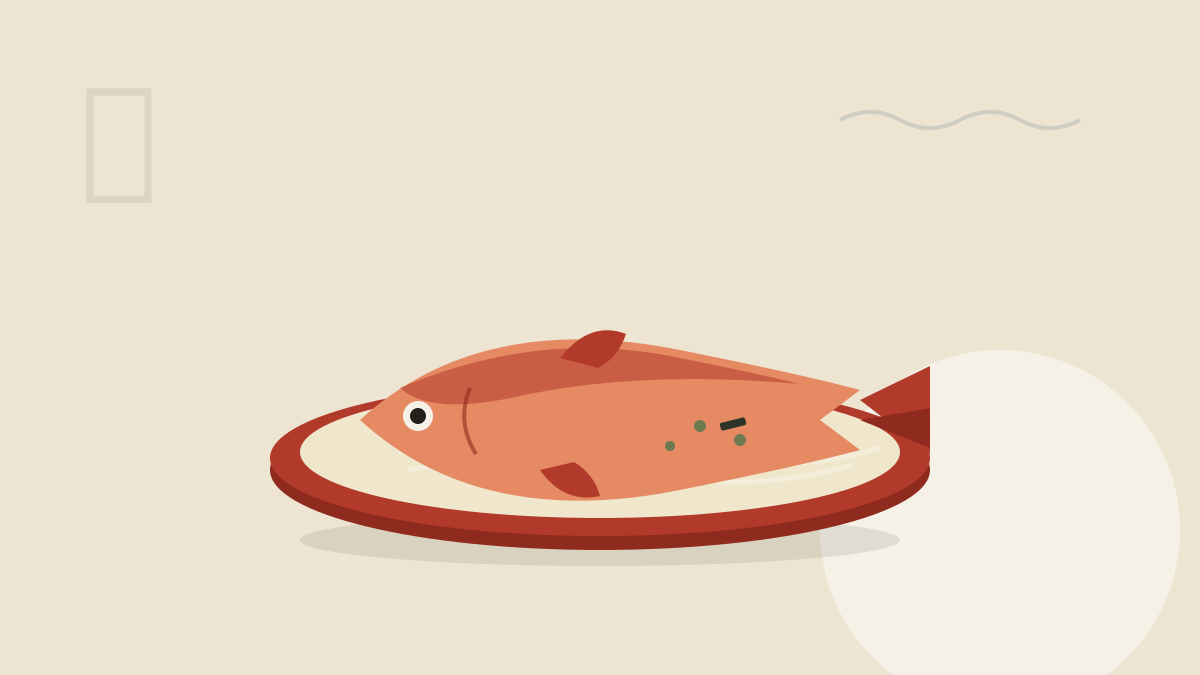
Tai Sōmen鯛そうめん
A Seto Inland Sea celebration platter — a whole simmered sea bream laid over a cool nest of sōmen, dressed in its own sweet-soy broth. Coastal festivity, edo-era.