Weeknight Shoyu Ramen
醤油ラーメン
A clear, chicken-and-dashi shoyu ramen you can honestly make on a Tuesday — with a proper tare, marinated eggs, and no ten-hour bone boil.
By Japanese Cookbook Kitchen · July 1, 2026
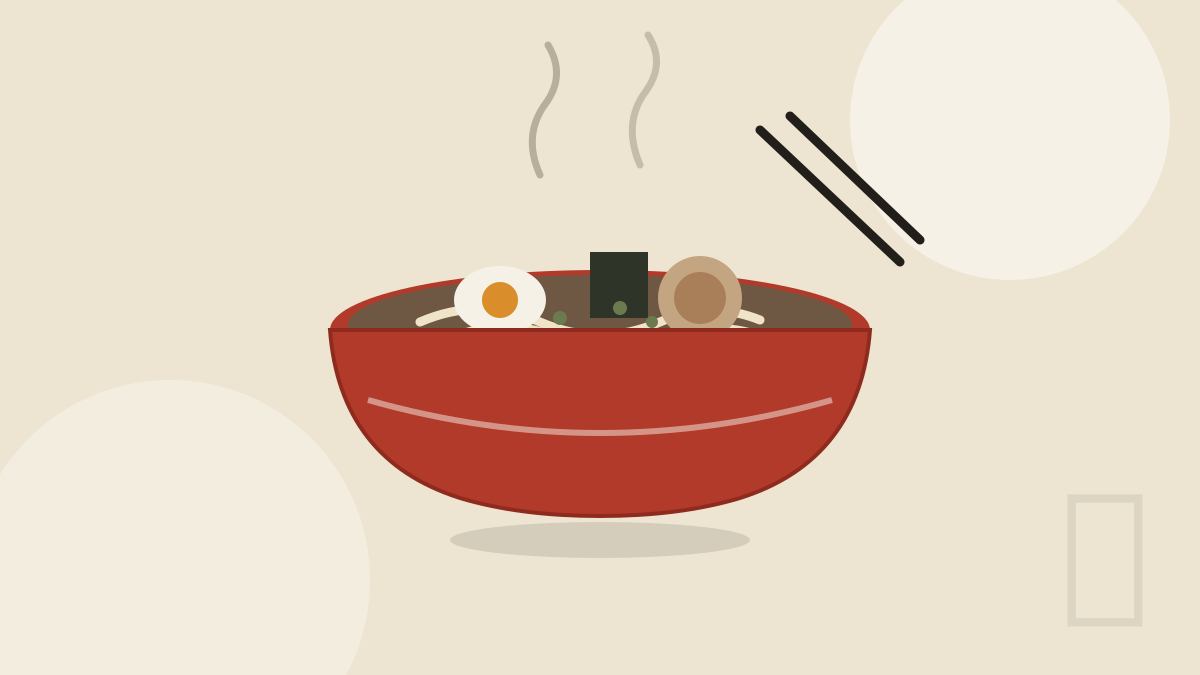 麺
麺- Prep
- 25 min
- Cook
- 45 min
- Serves
- 4
- Level
- Intermediate
Real-talk about ramen: the ten-hour tonkotsu boil is a restaurant's job. What a home kitchen does brilliantly is shoyu ramen — the older, clearer, more elegant style, where a clean chicken soup meets a soy-based tare and everything depends on seasoning and assembly rather than marathon simmering.
The architecture is worth learning because it's how every ramen actually works: tare (the seasoning, in the bowl), soup (unsalted, on the stove), aroma oil (fat that carries fragrance), noodles, toppings. Five components, each simple, combined in the last ninety seconds at full heat. Once you've internalized that, you can improvise forever — miso tare in winter, shio tare with yuzu when you find good citrus.
Our version leans on the pantry this site is built around: the dashi folded into the chicken stock is what makes a 45-minute soup taste like it took all day. Nobody at the table needs to know.
Ramen is assembled hot and eaten immediately. Warm the bowls, line up your toppings, and treat the last two minutes like service.
板前の一言 · A word from the kitchen
Ingredients材料
Serves 4
Tare & aroma oil
- 100 mlsoy sauce — the best koikuchi you own
- 3 tbspmirin
- 2 tbspsake
- 1 tspsugar
- 3 tbspchicken fat or neutral oil — warmed with the white parts of the scallions until fragrant
Soup
- 900 mlgood chicken stock — unsalted; homemade or the best carton you can find
- 300 mlawase dashi — this is the shortcut that tastes like a long cut
- 2 slicesfresh ginger
- 1 clovegarlic, smashed
Bowls
- 4 portionsfresh ramen noodles — frozen is second-best; instant discarded-seasoning noodles third
- 4soft-boiled eggs — 6 minutes 30 seconds, marinated in equal parts soy, mirin, water
- 300 gchashu or poached chicken breast, sliced
- 4 sheetsnori
- 2scallions, green parts, thinly sliced
Method作り方
Step 1: Marinate the eggs (morning or day before)
Lower eggs into boiling water for 6 minutes 30 seconds, shock in ice water, peel, and submerge in the soy-mirin-water marinade for 4 to 24 hours. This is the topping people remember.
Step 2: Make the tare
Simmer soy, mirin, sake, and sugar together for 3 minutes and set aside. Tare is the soul of the bowl — the soup is seasoned here, not in the pot.
Step 3: Build the soup
Combine chicken stock, dashi, ginger, and garlic; hold at a bare simmer for 20 minutes, then strain. You want it hot enough to scald — a lukewarm bowl is a failed bowl.
Step 4: Stage everything
Warm four bowls with hot water. Slice the chashu, halve the eggs, portion the scallions. Once noodles hit water, there is no time for prep.
Step 5: Cook the noodles and assemble
Boil noodles per packet — usually 90 seconds for fresh — and drain hard, shaking off every drop of cooking water. Into each hot bowl go 2 tablespoons tare and 2 teaspoons aroma oil, then 300 ml soup, then noodles, folded once with chopsticks so they sit neatly. Top with chashu, egg, nori, scallions. Serve within the minute.
道具 · The tools
Equipment
Zaru (draining basket)
ざるFor draining and serving cold noodles, and rinsing rice — a bamboo or mesh basket that lets everything breathe.
Shop on Amazon →Mandoline (benriner)
スライサーPaper-thin daikon, cucumber, and cabbage in seconds — the Japanese mandoline home cooks actually own.
Shop on Amazon →Fine sieve / muslin
こし器For straining dashi clear and dusting flour — line it with muslin or paper for the cleanest stock.
Shop on Amazon →Cooking chopsticks (saibashi)
菜箸Long chopsticks for turning, plating, and beating eggs streaky — the Japanese kitchen’s default hand.
Shop on Amazon →
Equipment links are Amazon affiliate links. As an Amazon Associate we earn from qualifying purchases, at no cost to you. Disclosure.
Questions from the kitchen
Can I skip the dashi and just use chicken stock?
You can, but the bowl loses its bottom register — the kombu and katsuobushi are doing quiet umami work that chicken alone can't. If you must, add a 5 cm piece of kombu to the stock while it simmers.
What noodles should I buy?
Fresh alkaline ramen noodles from an Asian grocer's chilled case, medium-thin and wavy for this soup. Dried "ramen-style" wheat noodles without kansui will taste like soft spaghetti — the springiness is the point.
Why does my broth taste weaker than ramen-shop broth?
Almost always under-seasoning, not under-simmering. Shops season aggressively with tare and finish with fat. Taste your assembled soup — it should be just this side of too salty on its own, because the noodles dilute it.
次はこちら · Cook next
Keep the burner on
 麺
麺Noodles · 25 min · Beginner
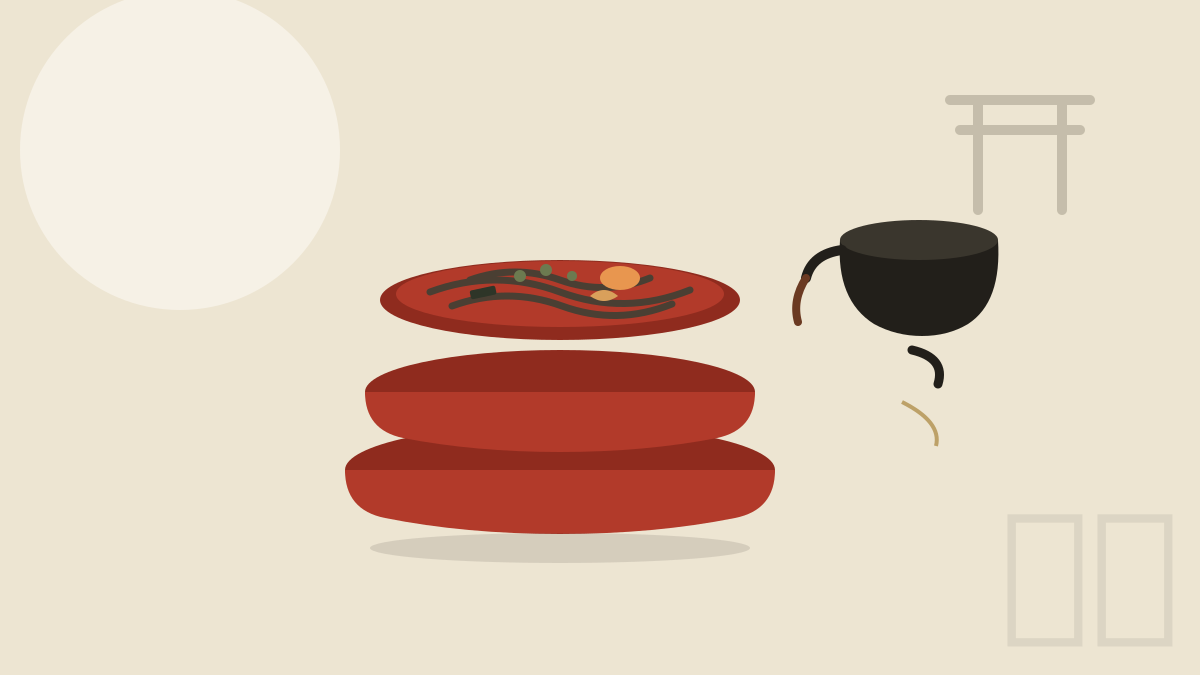
Izumo Soba出雲そば
Shimane's dark whole-grain soba served warigo style — three stacked lacquer rounds, sauce poured over the noodles, an Edo-era ritual from the land of the gods.
 麺
麺Noodles · 65 min · Intermediate
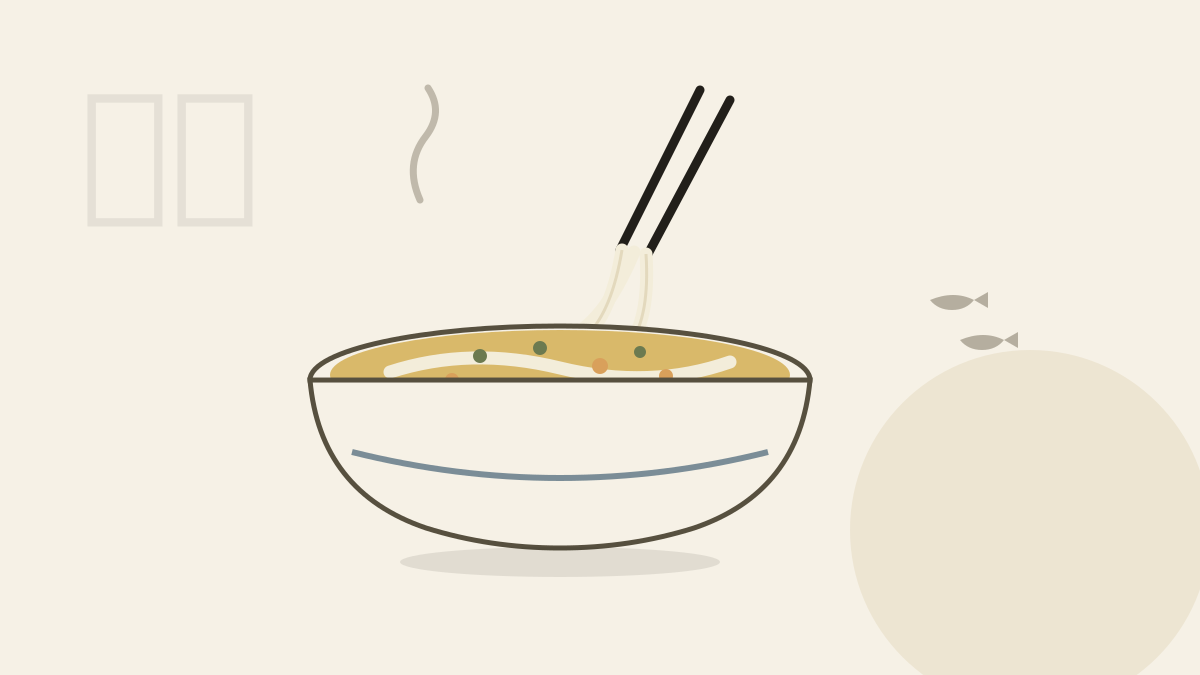
Sanuki Udon, Kake Style讃岐うどん
Kagawa's proudly chewy udon in hot iriko dashi — hand-kneaded, properly rested, and eaten with the speed and reverence Shikoku demands.
 麺
麺Noodles · 50 min · Intermediate
Tai Sōmen鯛そうめん
A Seto Inland Sea celebration platter — a whole simmered sea bream laid over a cool nest of sōmen, dressed in its own sweet-soy broth. Coastal festivity, edo-era.