Gōya Chanpurū
ゴーヤーチャンプルー
Okinawa's bitter melon stir-fry with tofu, pork, and egg — the Ryūkyū Kingdom's everyday masterpiece, and the honest way to make peace with gōya.
By Japanese Cookbook Kitchen · July 5, 2026
沖縄 OkinawaRyūkyū Kingdom era, 1429–1879
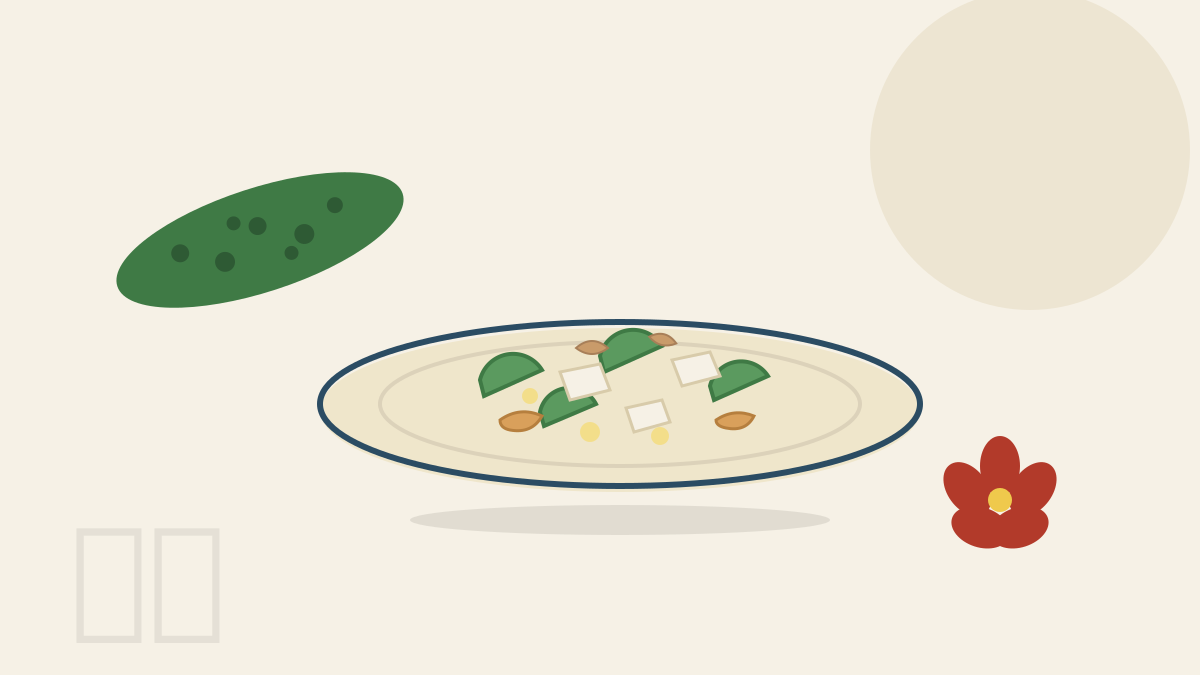 居酒屋
居酒屋- Prep
- 15 min
- Cook
- 10 min
- Serves
- 2
- Level
- Beginner
Okinawa runs on a different clock. For four and a half centuries it was the Ryūkyū Kingdom — an independent island state paying tribute to China, trading with Siam and Java, and building a court cuisine that owed as much to Fujian as to Kyoto. Buddhism's meat taboos never governed there, so pork became the kingdom's protein of state; tofu grew firmer and prouder than the mainland's; and the wok-adjacent stir-fry called chanpurū became the everyday engine of the kitchen.
Gōya chanpurū is the definitive one: bitter melon, tofu, pork, and egg, cooked hot and fast, finished with katsuobushi. The bitterness is not a problem to be solved — salted and squeezed, it settles into a clean, appetite-sharpening edge that makes the pork taste richer and the beer taste colder. There's a reason the dish owns Okinawan summer.
It's also, not incidentally, weeknight-perfect: ten minutes of cooking, one pan, and a vegetable most supermarkets outside Asia now stock. Cook it in August with the windows open and you're most of the way to Naha.
Don't chase all the bitterness away — salt tames it, but the gentle bite that remains is the dish. An Okinawan grandmother would call a fully de-bittered gōya a wasted one.
板前の一言 · A word from the kitchen
Ingredients材料
Serves 2
- 1gōya (bitter melon) — firm, deeply ridged, about 250 g
- 1 tspsalt — for massaging the gōya
- 300 gfirm tofu — pressed well — Okinawa's shima-dōfu is far firmer than mainland tofu
- 150 gthin pork belly slices, in 4 cm pieces — sliced Spam is the beloved postwar variant; we won't pretend otherwise
- 2eggs, lightly beaten
- 1 tbspneutral oil
- 1 tbspsoy sauce
- 1 tbspsake or awamori
- katsuobushi, a generous handful, to finish
Method作り方
Step 1: Prep the gōya
Halve lengthwise, scrape out the seeds and every trace of the white pith with a spoon, and slice into thin half-moons. Massage with the salt, rest 10 minutes, then squeeze — rinse only if you're bitterness-shy.
Step 2: Dry-fry the tofu
Tear the pressed tofu into rough chunks and fry in the dry pan over medium-high until the faces are golden and the edges squeak. Set aside. Torn faces brown better and grip the sauce.
Step 3: Render the pork
Add the oil and pork belly and fry until the fat runs and the edges crisp, about 2 minutes.
Step 4: Stir-fry hot and fast
Add the gōya and stir-fry 90 seconds — it should stay bright green with a live crunch. Return the tofu, splash in soy and sake, and toss.
Step 5: Egg and katsuobushi
Pour the beaten egg over everything, wait five seconds, then fold twice and kill the heat — soft curds, not scramble. Plate and bury under katsuobushi. Cold beer is the traditional sauce.
Questions from the kitchen
What does "chanpurū" mean?
"Something mixed" in Okinawan — related, tellingly, to words across maritime Southeast Asia. It describes both the dish and the culture: the Ryūkyū Kingdom spent four centuries trading with China, Japan, Korea, and points south, and its kitchen mixed accordingly.
Why is Okinawan food so distinct from mainland Japan's?
Because it wasn't Japan for most of its history. The Ryūkyū Kingdom (1429–1879) was an independent tributary of China with its own court cuisine — pork-centered where the mainland was fish-centered, since Buddhist meat taboos never took hold there. Gōya, tofu craft, and kombu arrived through trade and stayed.
How do I buy a good gōya, and can I substitute?
Choose firm, heavy, tightly-ridged fruit; lighter green ones are milder than dark. There's no true substitute — zucchini gives you a pleasant stir-fry with the soul removed. Better to keep the gōya and simply salt it a little longer the first time.
次はこちら · Cook next
Keep the burner on
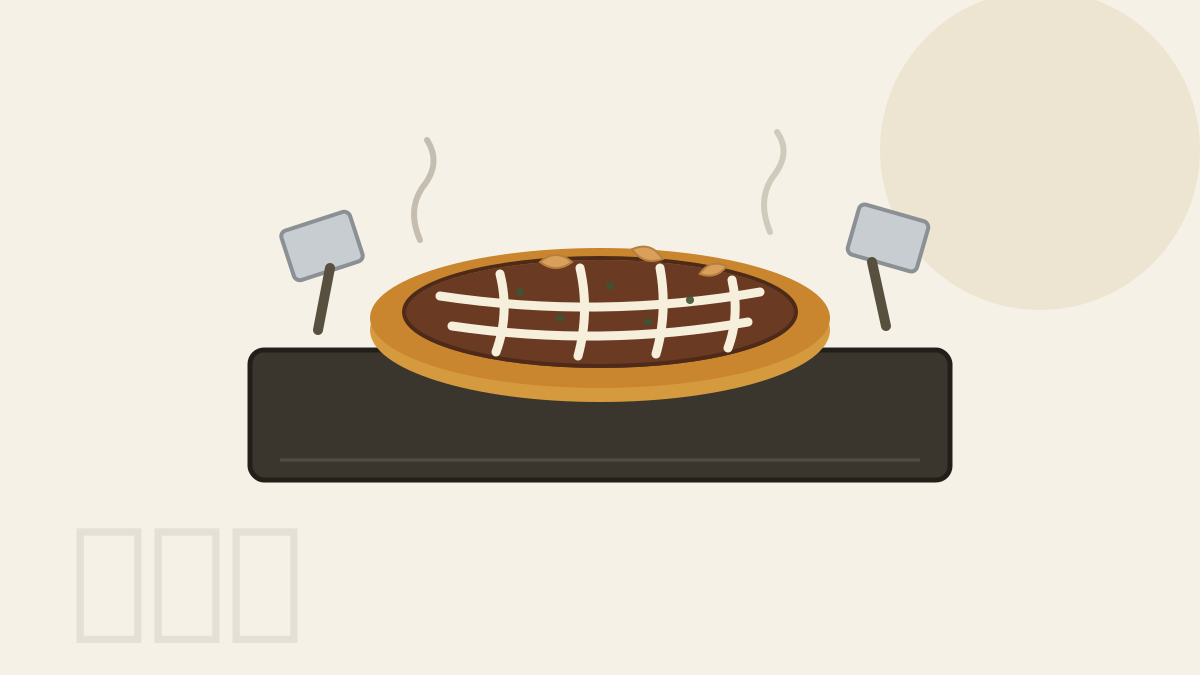 居酒屋
居酒屋Izakaya · 40 min · Beginner
Osaka Okonomiyakiお好み焼き
Osaka's cabbage-and-batter griddle cake with pork belly, sauce, and dancing katsuobushi — postwar street food perfected. Dashi in the batter is the difference.
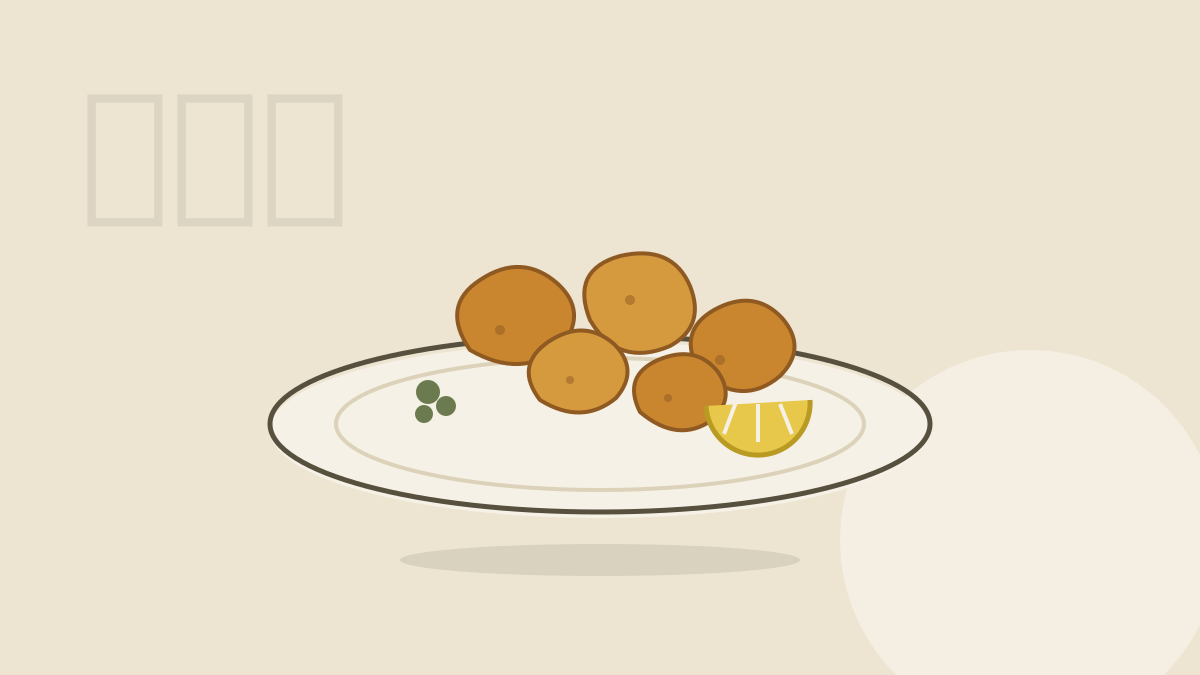 居酒屋
居酒屋Izakaya · 35 min · Intermediate
Chicken Karaage鶏の唐揚げ
Japanese fried chicken with a soy-ginger marinade, a potato-starch crust, and the double-fry that keeps it crackling — izakaya standard, home method.
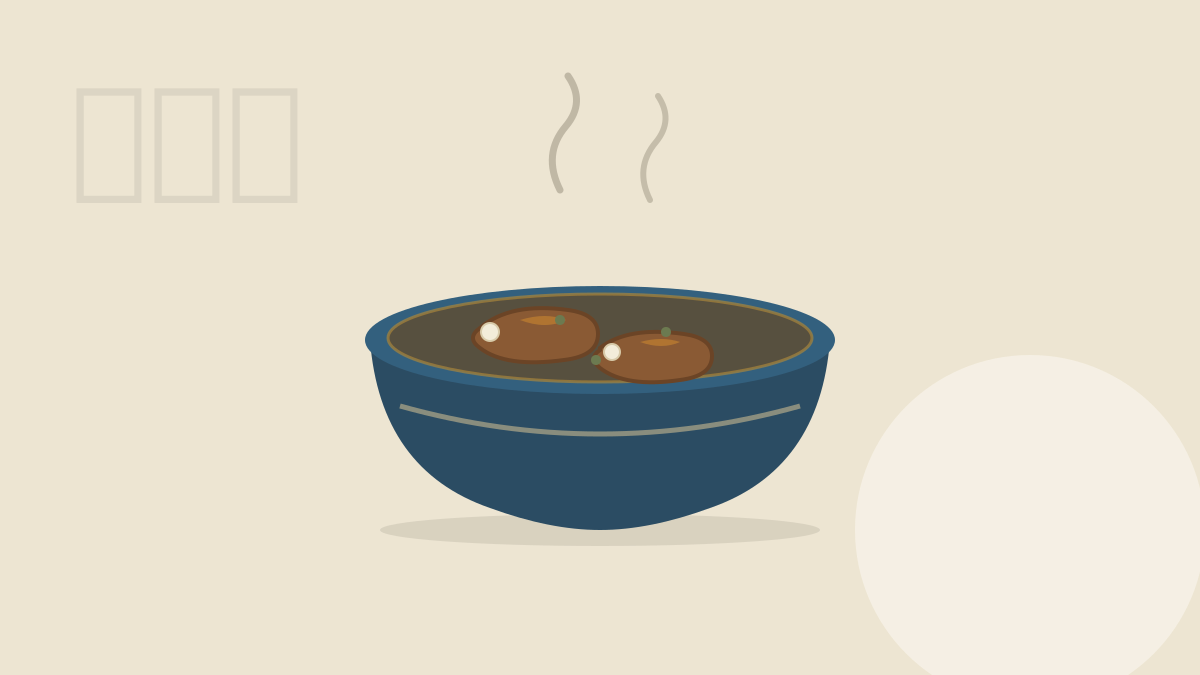 居酒屋
居酒屋Izakaya · 140 min · Intermediate
Sōkiソーキ
Okinawa's soy-and-awamori simmered pork spare ribs — the fall-apart soba topping that grew into a dish of its own. Slow-cooked, sweet-savory, and deeply islander.