Salted Salmon Onigiri
鮭お握り
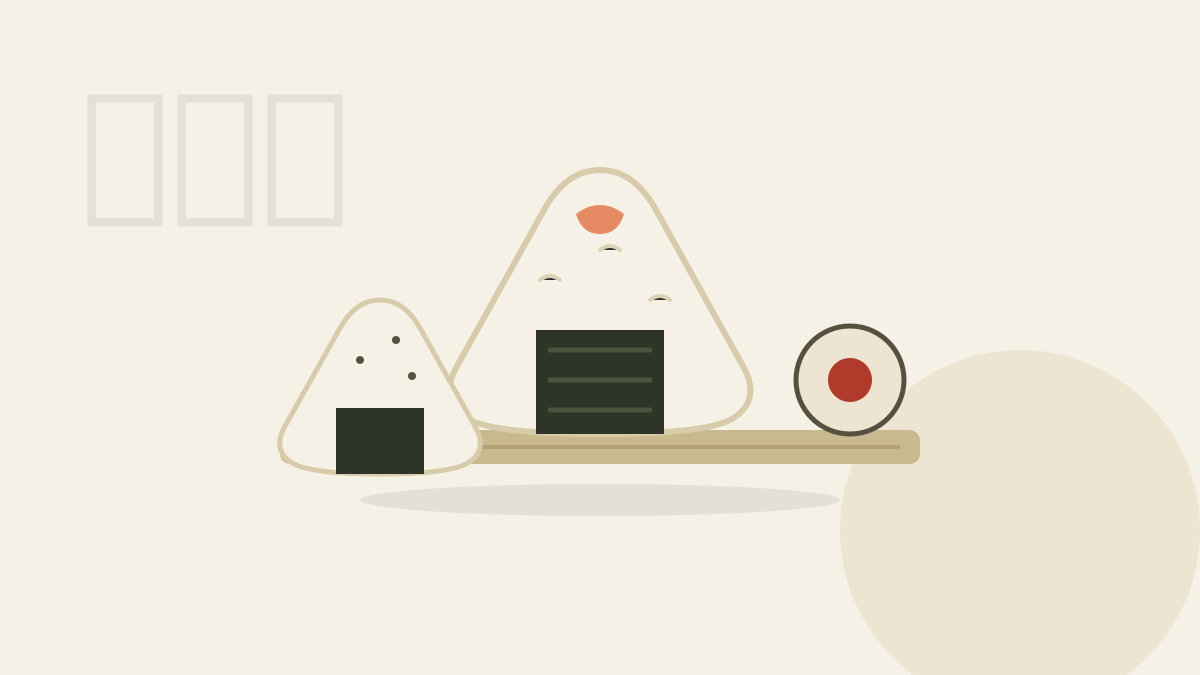
Proper rice balls with salted salmon — how to cook and season the rice, shape with wet hands, and keep the nori crisp until the first bite.
By Japanese Cookbook Kitchen · June 29, 2026
中部 ChūbuYayoi era, c. 300 BCE–300 CE
 丼
丼- Prep
- 20 min
- Cook
- 25 min
- Serves
- 4
- Level
- Beginner
Onigiri is the oldest convenience food in Japan — rice balls have been found carbonized in ruins two thousand years old — and it remains the truest test of whether someone respects rice. There is nothing to hide behind. It is rice, salt, a bite of something savory, and technique.
The technique is humble but real. Rice washed until the water runs clear so the grains stay distinct. Shaped hot, with wet, salted palms — the salt seasoning the surface exactly where your tongue lands. Pressed just enough to hold, so it yields on the first bite instead of resisting like a brick.
Salted salmon is the filling to learn first because it teaches the balance: rich, salty fish against plain, faintly sweet rice. After that, raid the pantry — this is where umeboshi, okaka, and your leftover kombu tsukudani were always headed.
Press only hard enough that the onigiri survives the trip to your mouth. Compressed rice is a hockey puck; good onigiri barely holds hands with itself.
板前の一言 · A word from the kitchen
Ingredients材料
Serves 4
Rice
- 450 gJapanese short-grain rice — about 3 rice-cooker cups
- 540 mlwater
- fine sea salt — for your hands, not the rice pot
Filling & wrapping
- 2 filletssalted salmon (shiojake) — or fresh salmon salted generously overnight
- 3 sheetsnori — cut into thirds
- 1 tbsptoasted sesame seeds — optional, for rolling
Method作り方
Step 1: Wash the rice properly
Rinse the rice in three or four changes of water, rubbing gently, until the water runs nearly clear. Drain well and let it sit 20 minutes before cooking. Cook with the measured water, then let it steam, lid on, 10 minutes after cooking.
Step 2: Cook the salmon
Grill or pan-fry the salted salmon until cooked through and the edges catch a little color, about 4 minutes a side. Flake into large shards, discarding skin and bones.
Step 3: Set up your station
A bowl of water, a small dish of salt, the warm rice, the salmon, the nori. Onigiri is shaped hot — as hot as your hands can stand — because warm rice bonds to itself and cold rice does not.
Step 4: Shape
Wet both hands, then press a pinch of salt across your palms. Take a fist of rice, nestle a shard of salmon in the center, and cap with a little more rice. Cradle and turn, cupping one hand into a roof, three or four rotations, into a fat triangle. Firm surface, tender core.
Step 5: Wrap and eat — or pack
Eating now, band each triangle with nori so it crackles against the warm rice. Packing for later, keep the nori separate and wrap at the moment of eating; onigiri at room temperature is the point — never refrigerate if you can help it.
道具 · The tools
Equipment
Rice cooker
炊飯器Consistent short-grain rice with zero attention — the one appliance nearly every page here leans on.
Shop on Amazon →
Equipment links are Amazon affiliate links. As an Amazon Associate we earn from qualifying purchases, at no cost to you. Disclosure.
Questions from the kitchen
Why does refrigeration ruin onigiri?
Below about 4°C the starch in japonica rice retrogrades — it recrystallizes and turns chalky. If you must chill them, wrap tightly and revive with 20 seconds in the microwave; the texture mostly returns.
What else can I fill them with?
The classics are umeboshi (salt-pickled plum), okaka (katsuobushi moistened with soy), tuna-mayo, and kombu tsukudani — that last one being exactly what you should make with your spent dashi kombu.
My onigiri fall apart. Why?
The rice was too cold, too dry, or pressed too timidly at the corners. Shape while properly warm, keep your hands wet, and give the three corners one firm cradle each — the faces stay gentle.
次はこちら · Cook next
Keep the burner on
 丼
丼Rice & Donburi · 50 min · Intermediate
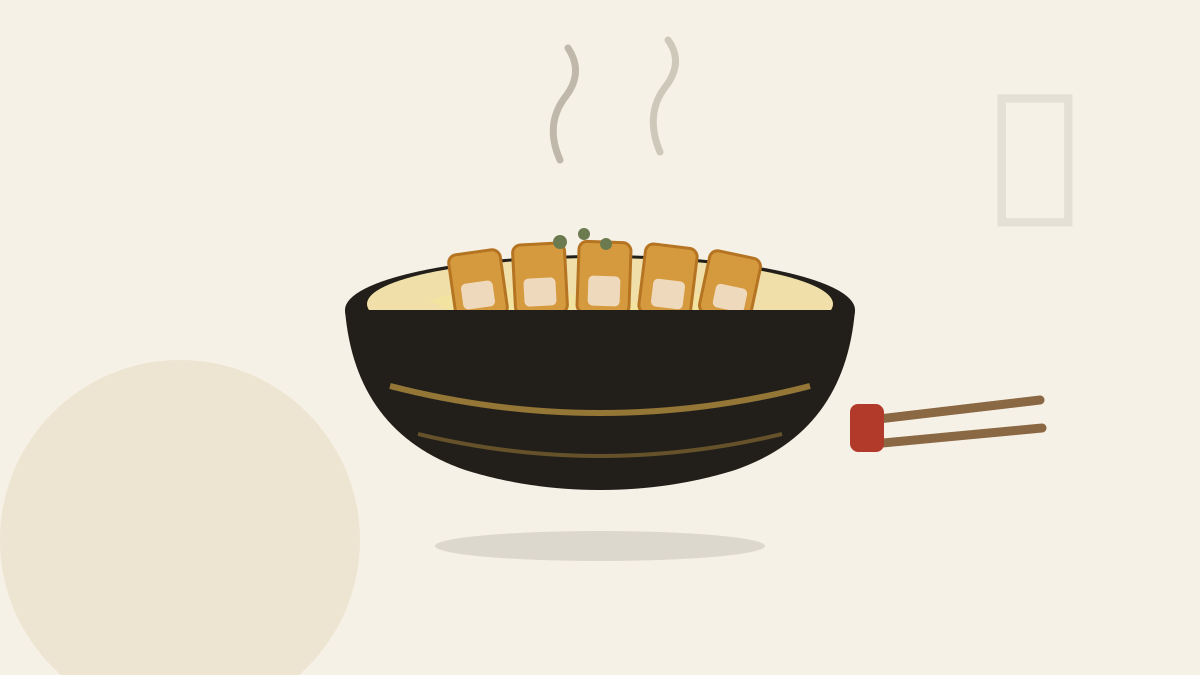
Katsudonカツ丼
Crisp tonkatsu simmered with onions in sweet dashi-soy and set with barely-cooked egg over rice — the Taishō-era donburi that made yōshoku fully Japanese.
 丼
丼Rice & Donburi · 25 min · Beginner
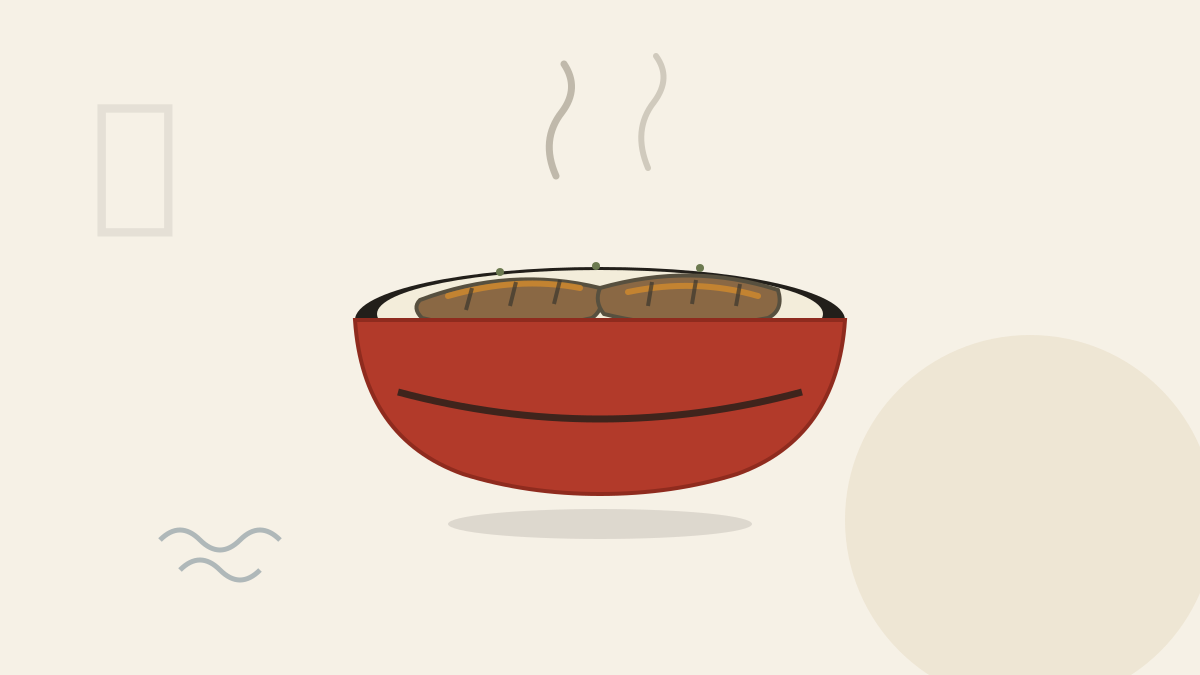
Unadonうな丼
Kabayaki eel lacquered in sweet tare over hot rice — an Edo summer ritual with the best marketing legend in Japanese food history. Store-bought eel welcome.
 丼
丼Rice & Donburi · 40 min · Beginner
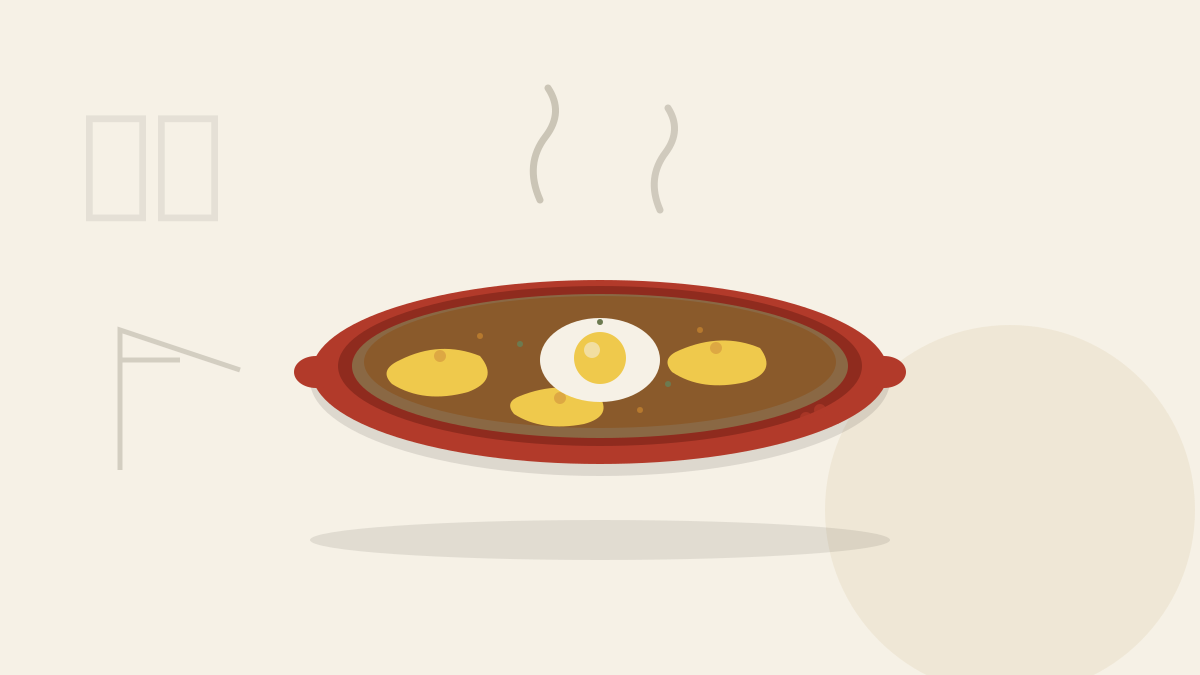
Moji Yaki Curry焼きカレー
Mojikō's baked curry rice — Japanese curry spooned over rice, topped with an egg and cheese, and baked until bubbling; a port-town café invention from the retro streets of Kitakyūshū.