Awase Dashi, the Proper Way
合わせ出汁
The kombu-and-katsuobushi stock underneath nearly all Japanese cooking, made properly in twenty-five minutes — and why it refuses to be rushed.
By Japanese Cookbook Kitchen · June 1, 2026
関西 KansaiMuromachi era, 1336–1573
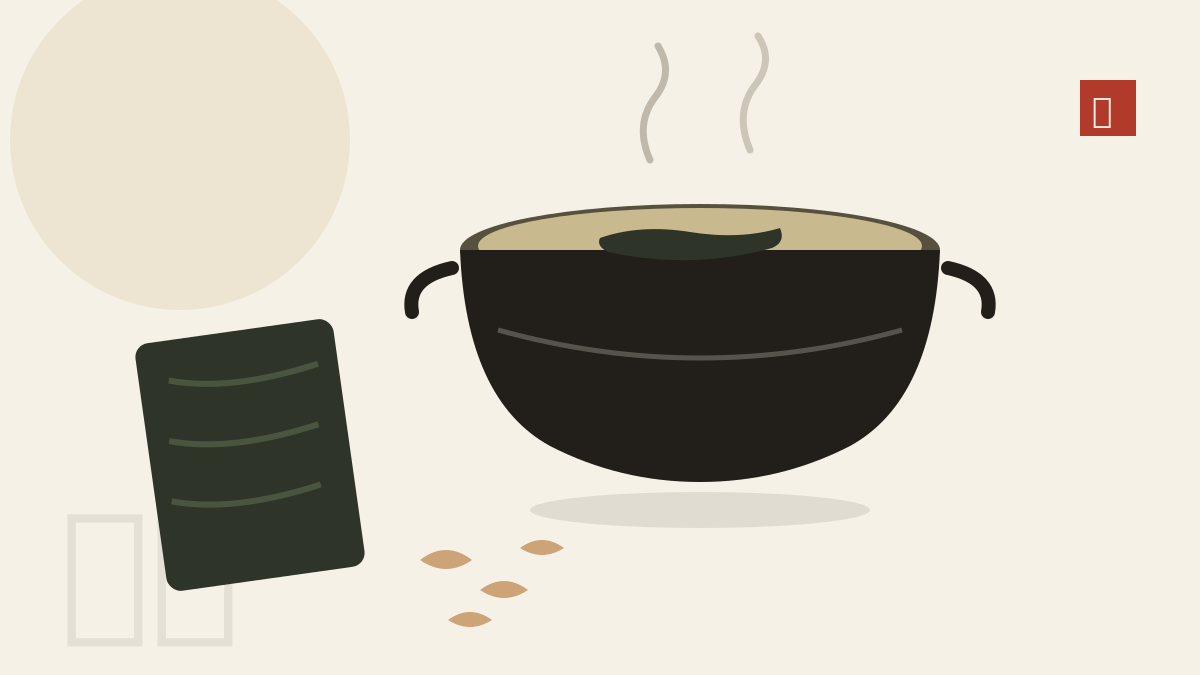 基本
基本- Prep
- 5 min
- Cook
- 20 min
- Serves
- 4
- Level
- Beginner
Every Japanese recipe you will ever cook is standing on this one.
Dashi is not stock in the Western sense — there are no bones, no hours, no mirepoix. It is closer to tea: two ingredients, careful temperatures, and a timeline measured in minutes. Kombu contributes glutamate; katsuobushi brings inosinate. When the two meet, umami doesn't add — it multiplies. That multiplication is the taste people mean when they say Japanese food tastes clean and deep at the same time.
Because it's so short, every step matters. The cold steep matters. Pulling the kombu before the boil matters. Not squeezing the flakes matters. This is the first discipline of the Japanese kitchen: patience deployed in small, non-negotiable doses.
Make it once and taste it warm from the pot, seasoned with nothing. It should taste of the sea without tasting fishy, savory without salt. Then make miso soup with it, and understand why the packet stuff was never quite right.
If your kitchen smells faintly of the sea and woodsmoke, you did it right. If it smells of nothing, your water was too hot too soon.
板前の一言 · A word from the kitchen
Ingredients材料
Serves 4
- 1 Lcold, soft water — filtered if your tap water is hard — minerals fight the kombu
- 10 gkombu — about a postcard-sized piece; do not wipe off the white bloom
- 20 gkatsuobushi — two loose handfuls of large shavings
Method作り方
Step 1: Cold-steep the kombu
Put the kombu in the cold water and let it stand at least 30 minutes — overnight in the fridge is better. This is the step everyone skips, and it is where half the flavor lives.
Step 2: Warm slowly, then remove the kombu
Set the pot over medium-low heat and bring it to just under a simmer, about 10 minutes. When small bubbles cling to the kombu, lift it out. Boiled kombu turns the stock slimy and bitter.
Step 3: Add the katsuobushi
Bring the liquid just to a boil, kill the heat, and scatter in the katsuobushi. Do not stir. Let the flakes drink and sink on their own, about 2 minutes.
Step 4: Strain gently
Pour through a fine sieve lined with paper towel or muslin. Let it drip; never press the flakes — pressing pushes fishy bitterness through. What you have now is ichiban dashi, the first and finest draw.
道具 · The tools
Equipment
Fine sieve / muslin
こし器For straining dashi clear and dusting flour — line it with muslin or paper for the cleanest stock.
Shop on Amazon →
Equipment links are Amazon affiliate links. As an Amazon Associate we earn from qualifying purchases, at no cost to you. Disclosure.
Questions from the kitchen
Can I use dashi powder instead?
Hondashi is honest about what it is — a good weeknight compromise. But it is salted and boosted, so cut back seasoning elsewhere and expect a flatter, saltier profile. Make the real thing once a week and freeze it in one-cup portions.
How long does dashi keep?
Three days refrigerated in a sealed jar, or a month frozen. It loses aroma fastest in its first day, so miso soup tonight deserves today's batch.
What do I do with the spent kombu and katsuobushi?
Simmer them again in fresh water for niban dashi — a gentler second stock for miso soup and simmered vegetables — or chop the kombu, cook it down with soy, mirin, and sesame, and you have tsukudani for rice.
次はこちら · Cook next
Keep the burner on
 基本
基本Foundations · 15 min · Beginner
Everyday Miso Soup味噌汁
Tofu-and-wakame miso soup built on real dashi — with the one rule that separates good miso soup from great, and why the miso goes in last.
 基本
基本Foundations · 20 min · Intermediate
Dashimaki Tamagoだし巻き卵
Kyoto's rolled omelet saturated with awase dashi — barely sweet, quivering, poured and rolled in rhythm. The foundation skill of the Kansai kitchen.
 基本
基本Foundations · 20 min · Beginner
Shibazuke Quick Pickles柴漬け
Ōhara's violet eggplant-and-shiso pickle from north Kyoto — a fast vinegar version for tonight, plus the honest path to a true lactic ferment.