Sapporo Miso Ramen
味噌ラーメン
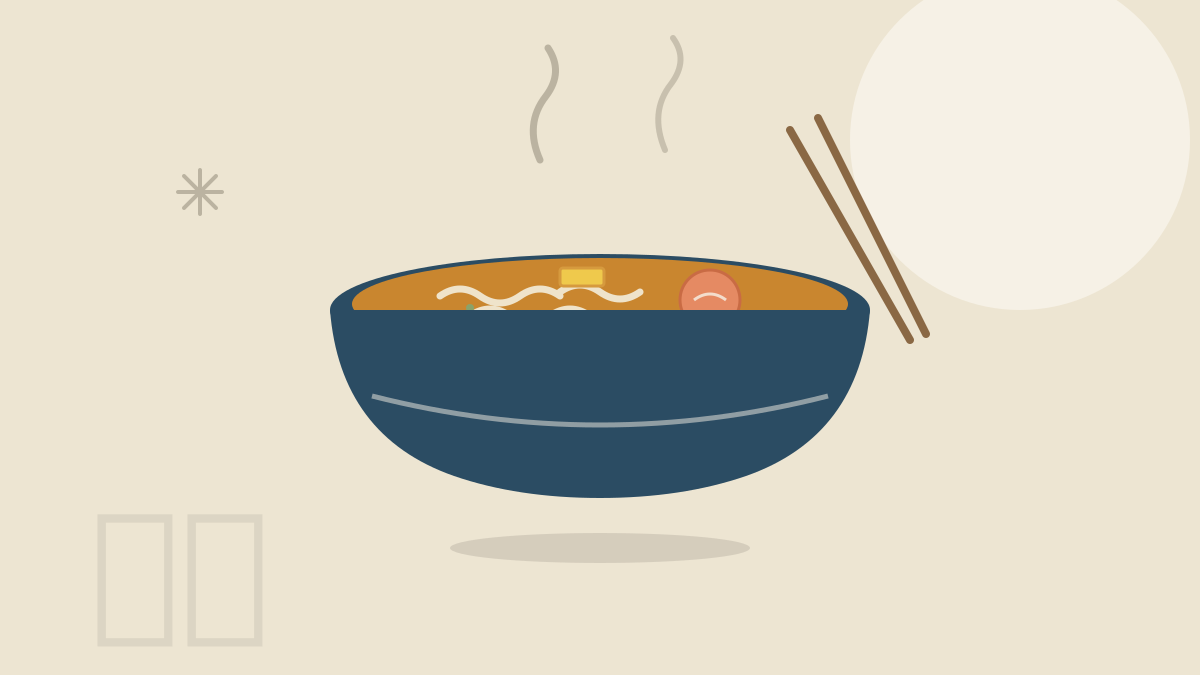
Sapporo's signature bowl, born at Aji no Sanpei in the 1950s — rich miso broth, wok-seared vegetables, thick wavy noodles, and the optional butter-corn crown.
By Japanese Cookbook Kitchen · May 3, 2026
北海道 HokkaidōShōwa era, 1926–1989
 麺
麺- Prep
- 25 min
- Cook
- 30 min
- Serves
- 2
- Level
- Intermediate
Sapporo took to ramen late and then made it its own. The Ramen Yokochō alley opened in 1951, but the bowl that put the city on the map came from Aji no Sanpei, a small shop where cook Morito Ōmiya had been serving miso-based pork soup. The story goes that in the early 1950s a regular asked him to drop noodles into it; by mid-decade miso ramen was on the menu, and by the 1960s magazine coverage had carried it across Japan. It was a radical idea — every ramen before it was soy or salt — and it suited a city where winter runs five months deep.
What makes the bowl is technique, not the ingredient list. The vegetables and pork are seared in lard at wok temperatures, the miso is fried in the fat until it toasts, and only then does stock turn it into broth — cloudy, emulsified, hot enough to fog your glasses at the door. Thick wavy noodles grab it; the butter and corn, both Hokkaidō crops, melt in as you eat. It's central heating in a bowl, and it knows it.
Sear the miso against the hot wok before the stock goes in — those thirty seconds of scorch are what separate Sapporo miso broth from miso soup with noodles floating in it.
板前の一言 · A word from the kitchen
Ingredients材料
Serves 2
Miso tare
- 4 tbspred or awase miso — a robust, salty miso stands up to the wok; sweet white miso collapses here
- 1 tbspsake
- 2 tspsoy sauce
- 1 tspsugar
- 1 clovegarlic, grated
- 1 tspgrated ginger
- 1 tbsptoasted sesame seeds, roughly ground
Wok and broth
- 1 tbsplard or neutral oil — lard is traditional and worth it — the fat carries the miso
- 150 gpork mince
- 1/2onion, thinly sliced
- 100 gcabbage, in rough squares
- 100 gbean sprouts
- 700 mlchicken stock — or half chicken stock, half awase dashi for a lighter bowl
The bowl
- 2 portionsthick, wavy ramen noodles — chijiremen — the curl holds the broth; straight thin noodles get lost
- 100 gsweet corn kernels
- 20 gbutter
- 1negi, finely sliced
- white pepper — at the table
Method作り方
Step 1: Mix the tare
Stir the miso, sake, soy, sugar, garlic, ginger, and sesame into a thick paste. Having it ready matters — the wok stage moves fast and won't wait for you.
Step 2: Fire the wok
Get the lard smoking over your hottest burner. Fry the pork mince hard until it browns, then add onion, cabbage, and bean sprouts and toss for a minute — the vegetables should scorch at the edges, not steam.
Step 3: Sear the miso
Push everything aside, drop the tare into the fat, and fry it for thirty seconds until it smells toasted and faintly sweet. This is the Sapporo move; skip it and the broth tastes flat.
Step 4: Build the broth
Pour in the stock, stir everything together, and boil hard for two minutes so the fat and miso emulsify into something cloudy and rich. Taste — it should be just this side of too salty, because noodles dilute.
Step 5: Boil the noodles
Cook the noodles in plenty of unsalted water until just firm, a shade under the packet time. Drain hard — clinging water is the enemy of a good bowl.
Step 6: Assemble
Noodles into hot bowls, broth and vegetables over, then the corn, the butter, and the negi on top. Serve immediately, while the butter is still a melting island.
道具 · The tools
Equipment
Portable gas burner
カセットコンロThe tabletop butane burner that turns any nabe into a shared meal — cook and eat from the same pot.
Shop on Amazon →Zaru (draining basket)
ざるFor draining and serving cold noodles, and rinsing rice — a bamboo or mesh basket that lets everything breathe.
Shop on Amazon →Mandoline (benriner)
スライサーPaper-thin daikon, cucumber, and cabbage in seconds — the Japanese mandoline home cooks actually own.
Shop on Amazon →Grater (oroshigane)
おろし金Fine, wet grating for ginger, daikon oroshi, and fresh wasabi — a Western microplane is close.
Shop on Amazon →
Equipment links are Amazon affiliate links. As an Amazon Associate we earn from qualifying purchases, at no cost to you. Disclosure.
Questions from the kitchen
Is the butter and corn traditional?
It's a 1960s addition, pushed along by tourism and Hokkaidō's pride in its own dairy and corn — plenty of Sapporo locals order their bowls without it. But the sweet-salt slick it makes as it melts is the taste most of Japan associates with the city, and it earns its place.
Can I make this without a wok?
Yes — use your heaviest skillet on the fiercest heat you have and work in the same order. What you're after is scorch, on the pork and on the miso itself, and any pan that holds serious heat can deliver it.
What if I can't find thick wavy noodles?
Fresh chijiremen are worth hunting down, but a good dried ramen noodle on the thick side will do. Avoid thin hakata-style noodles — this broth needs something with shoulders.
次はこちら · Cook next
Keep the burner on
 麺
麺Noodles · 70 min · Intermediate
Weeknight Shoyu Ramen醤油ラーメン
A clear, chicken-and-dashi shoyu ramen you can honestly make on a Tuesday — with a proper tare, marinated eggs, and no ten-hour bone boil.
 麺
麺Noodles · 25 min · Beginner
Izumo Soba出雲そば
Shimane's dark whole-grain soba served warigo style — three stacked lacquer rounds, sauce poured over the noodles, an Edo-era ritual from the land of the gods.
 麺
麺Noodles · 65 min · Intermediate
Sanuki Udon, Kake Style讃岐うどん
Kagawa's proudly chewy udon in hot iriko dashi — hand-kneaded, properly rested, and eaten with the speed and reverence Shikoku demands.