Oyakodon
親子丼
The chicken-and-egg rice bowl that defines Japanese comfort food — dashi-sweet onions, barely-set eggs, and rice that catches every drop.
By Japanese Cookbook Kitchen · June 15, 2026
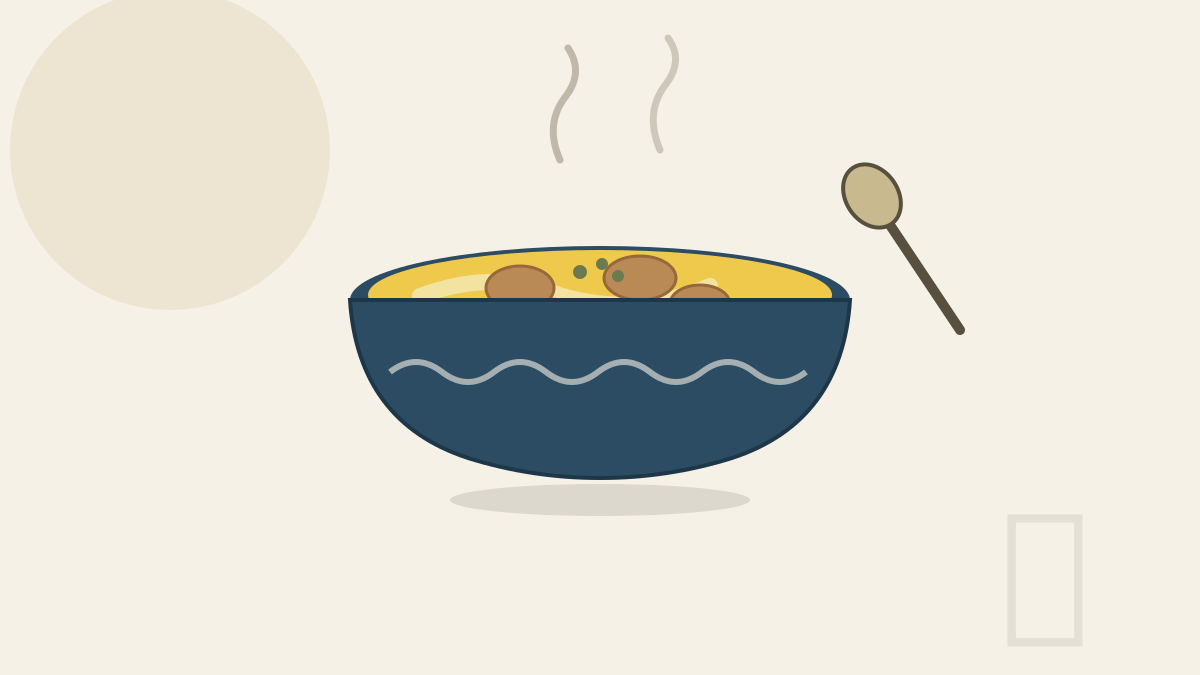 丼
丼- Prep
- 10 min
- Cook
- 15 min
- Serves
- 2
- Level
- Beginner
Oyakodon is what Japanese cooking looks like when nobody is performing. It's a one-pan, fifteen-minute dinner made from the permanent contents of a Japanese kitchen — dashi, soy, mirin, eggs, rice — and it's on ten thousand lunch counters across Japan for a reason.
But "simple" isn't the same as "unserious." A great oyakodon has a specific, deliberate texture: onions gone sweet in the simmering sauce, chicken just cooked, and egg in two states at once — softly set below, barely-there and glossy on top. That comes from the two-stage egg pour, which costs nothing but attention.
This is also the dish where your dashi habit starts paying dividends. The simmering base is nothing but dashi sweetened and salted; if the dashi is real, a fifteen-minute Tuesday dinner tastes like it came from a shop that's been open since your grandmother was young.
The eggs go in twice — most of them early, the last splash at the very end, off the heat. Two textures of egg in one bowl is the whole dish.
板前の一言 · A word from the kitchen
Ingredients材料
Serves 2
Simmering base
- 200 mlawase dashi
- 2 tbspsoy sauce
- 2 tbspmirin
- 1 tbspsake
- 2 tspsugar
The bowl
- 300 gboneless chicken thighs — cut into bite-size pieces
- 1onion, halved and sliced with the grain
- 4eggs — lightly beaten — streaky, not uniform
- 2 bowlshot cooked Japanese rice
- mitsuba or scallion greens — plus shichimi togarashi at the table
Method作り方
Step 1: Simmer the onions
In a small skillet, combine dashi, soy, mirin, sake, and sugar. Add the onion and simmer over medium heat 4 minutes, until translucent and sweet.
Step 2: Cook the chicken
Add the chicken in a single layer and simmer 5 to 6 minutes, turning once, until just cooked through. The sauce will reduce slightly; that concentration is your seasoning.
Step 3: First pour of egg
Rake the eggs lightly with chopsticks — you want streaks of white and yolk, not a uniform custard. Pour about three-quarters over the chicken in a spiral, cover, and cook 60 seconds, until softly set at the edges but trembling in the middle.
Step 4: Second pour, then off the heat
Pour the remaining egg over the top, cover, kill the heat, and count 30 seconds. The residual steam sets it to a silky, just-barely-there finish.
Step 5: Slide it onto the rice
Tip the whole slippery raft over hot rice so the sauce soaks down through the grains. Top with mitsuba and pass the shichimi. Eat with a spoon and no dignity whatsoever.
道具 · The tools
Equipment
Rice cooker
炊飯器Consistent short-grain rice with zero attention — the one appliance nearly every page here leans on.
Shop on Amazon →Nonstick frying pan
フライパンFor chanpurū, gyoza, pancakes, and anything that needs a clean release and even browning.
Shop on Amazon →Portable gas burner
カセットコンロThe tabletop butane burner that turns any nabe into a shared meal — cook and eat from the same pot.
Shop on Amazon →Cooking chopsticks (saibashi)
菜箸Long chopsticks for turning, plating, and beating eggs streaky — the Japanese kitchen’s default hand.
Shop on Amazon →
Equipment links are Amazon affiliate links. As an Amazon Associate we earn from qualifying purchases, at no cost to you. Disclosure.
Questions from the kitchen
What does "oyako" mean?
Parent and child — chicken and egg, in the same bowl. Japanese menu humor runs dry and dark. The beef version with egg is called tanindon, "stranger bowl," which is somehow even better.
My eggs always overcook. What am I doing wrong?
Two things — cooking with too much heat after the egg goes in, and skipping the two-stage pour. The pan's residual heat finishes the dish with the lid on and the burner off. When in doubt, pull it earlier than feels safe; it sets further on the rice.
Can I use chicken breast?
Yes, but cut it slightly smaller and shorten the simmer by a minute or two. Thigh forgives; breast keeps score.
次はこちら · Cook next
Keep the burner on
 丼
丼Rice & Donburi · 50 min · Intermediate
Katsudonカツ丼
Crisp tonkatsu simmered with onions in sweet dashi-soy and set with barely-cooked egg over rice — the Taishō-era donburi that made yōshoku fully Japanese.
 丼
丼Rice & Donburi · 25 min · Beginner
Unadonうな丼
Kabayaki eel lacquered in sweet tare over hot rice — an Edo summer ritual with the best marketing legend in Japanese food history. Store-bought eel welcome.
 丼
丼Rice & Donburi · 45 min · Beginner
Salted Salmon Onigiri鮭お握り
Proper rice balls with salted salmon — how to cook and season the rice, shape with wet hands, and keep the nori crisp until the first bite.