Onomichi Ramen
尾道ラーメン
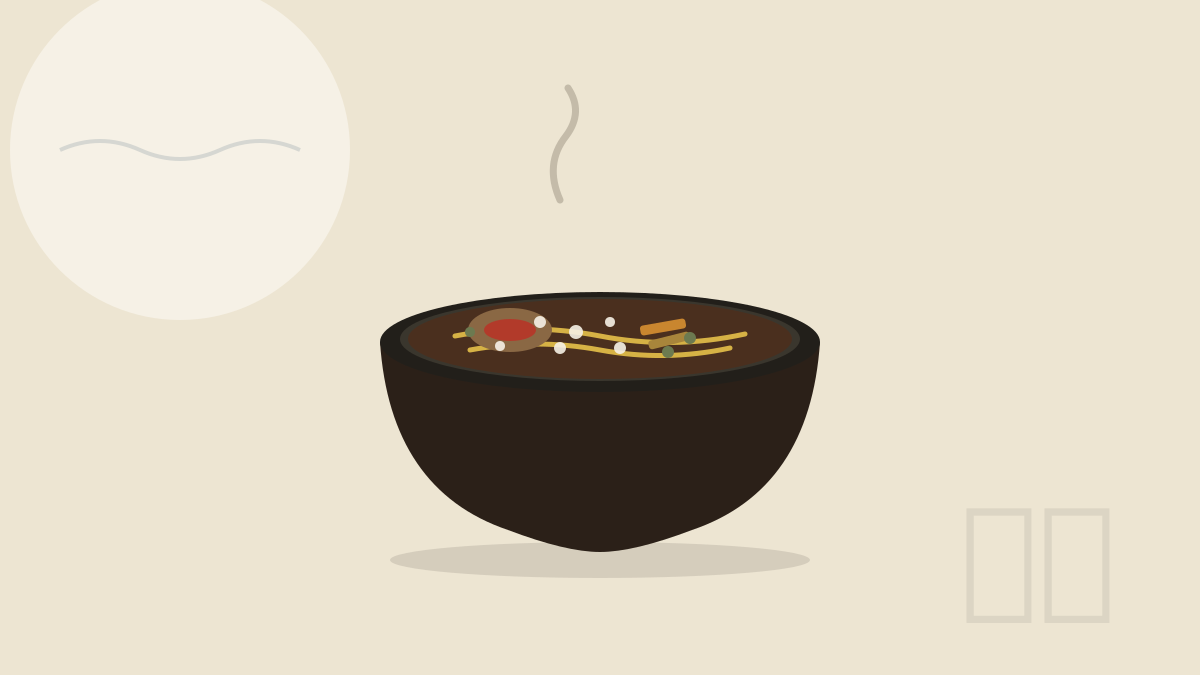
Onomichi's Seto Inland Sea ramen — flat noodles in a soy chicken-and-fish broth, crowned with floating pearls of rendered pork backfat mince. A postwar Shōwa classic.
By Japanese Cookbook Kitchen · May 27, 2026
中国 ChūgokuShōwa era, 1926–1989
 麺
麺- Prep
- 30 min
- Cook
- 120 min
- Serves
- 4
- Level
- Intermediate
Onomichi is a steep, cat-ridden port town on the Seto Inland Sea in eastern Hiroshima, a place of temple stairs and ferry whistles — and, since the postwar Shōwa years, of a very particular bowl of ramen. Its identity rests on two things: a clear soy broth built on chicken and the small dried fish that this inland-sea region has always cooked with, and the beads of minced pork backfat that float on the surface like the town's signature in fat.
Those two ideas pull in opposite directions, which is the whole trick. The broth is lean and marine and soy-sharp; the se-abura melts into it as you eat, rounding and sweetening each mouthful without ever becoming a greasy slick. The noodles are flat and straight, built to carry that soy. Render the fat low and slow, keep the niboshi gentle and brief so the broth stays clean, and you'll have a bowl that tastes like a hillside port looking out at a calm sea.
The backfat is the signature — mince it fine and render it slow so it floats as glossy little beads on top, not a greasy slick. It sweetens the soy as you slurp.
板前の一言 · A word from the kitchen
Ingredients材料
Serves 4
Broth
- 1chicken carcass
- 20 gniboshi (dried sardines) — the Seto Inland Sea fish note — heads and guts pinched out to keep the broth from turning bitter
- 10 gkombu
- 2.5 Lcold water
- 2scallions, white parts
Tare and backfat
- 5 tbspsoy sauce
- 1 tbspmirin
- 120 gpork backfat (se-abura) — ask the butcher for fatback; this is the topping that defines the bowl
To serve
- 600 gflat ramen noodles — Onomichi's noodle is straight and flat, not curly — a flat chūka men is the closest supermarket match
- menma and sliced chāshū
- 2scallions, green parts, sliced
Method作り方
Step 1: Build the double broth
Simmer the blanched chicken carcass with the kombu and scallion whites in cold water for about 90 minutes, skimming often. Pull the kombu before it boils, and add the cleaned niboshi only for the final 15 minutes so they lend depth without bitterness.
Step 2: Render the backfat
Mince the fatback finely. Warm it in a dry pan over low heat until it turns translucent and gives up some oil, but stop before it browns into cracklings. You want soft, glistening beads, not crisp lardons.
Step 3: Mix the tare
Warm the soy and mirin just enough to marry them. Onomichi is a soy-forward ramen, so the tare does real work here — spoon it into each bowl before the broth so it disperses evenly.
Step 4: Assemble
Cook the flat noodles just past firm and drain hard. Ladle the strained hot broth over the tare, add the noodles, and top with chāshū, menma, and green scallion. Finish with a generous spoon of the rendered backfat floated on top.
道具 · The tools
Equipment
Zaru (draining basket)
ざるFor draining and serving cold noodles, and rinsing rice — a bamboo or mesh basket that lets everything breathe.
Shop on Amazon →
Equipment links are Amazon affiliate links. As an Amazon Associate we earn from qualifying purchases, at no cost to you. Disclosure.
Questions from the kitchen
What is the pork backfat topping, exactly?
Onomichi calls it se-abura — pork fatback, minced fine and gently rendered, then floated on top of the finished bowl as small translucent beads. It melts into the hot soy broth as you eat, adding richness and a background sweetness.
Why niboshi in the broth?
Onomichi is a Seto Inland Sea port, and its ramen leans on small dried fish the way the region always has. Niboshi give the chicken-soy base a marine depth that keeps it from tasting like a plain shōyu ramen from anywhere.
My broth is bitter. What went wrong?
Almost always the niboshi. Pinch out the heads and black guts before simmering, keep the heat low, and don't boil them for more than 15 to 20 minutes — long, hard cooking is what pulls the bitterness out.
次はこちら · Cook next
Keep the burner on
 麺
麺Noodles · 70 min · Intermediate
Weeknight Shoyu Ramen醤油ラーメン
A clear, chicken-and-dashi shoyu ramen you can honestly make on a Tuesday — with a proper tare, marinated eggs, and no ten-hour bone boil.
 麺
麺Noodles · 25 min · Beginner
Izumo Soba出雲そば
Shimane's dark whole-grain soba served warigo style — three stacked lacquer rounds, sauce poured over the noodles, an Edo-era ritual from the land of the gods.
 麺
麺Noodles · 65 min · Intermediate
Sanuki Udon, Kake Style讃岐うどん
Kagawa's proudly chewy udon in hot iriko dashi — hand-kneaded, properly rested, and eaten with the speed and reverence Shikoku demands.