Omurice
オムライス
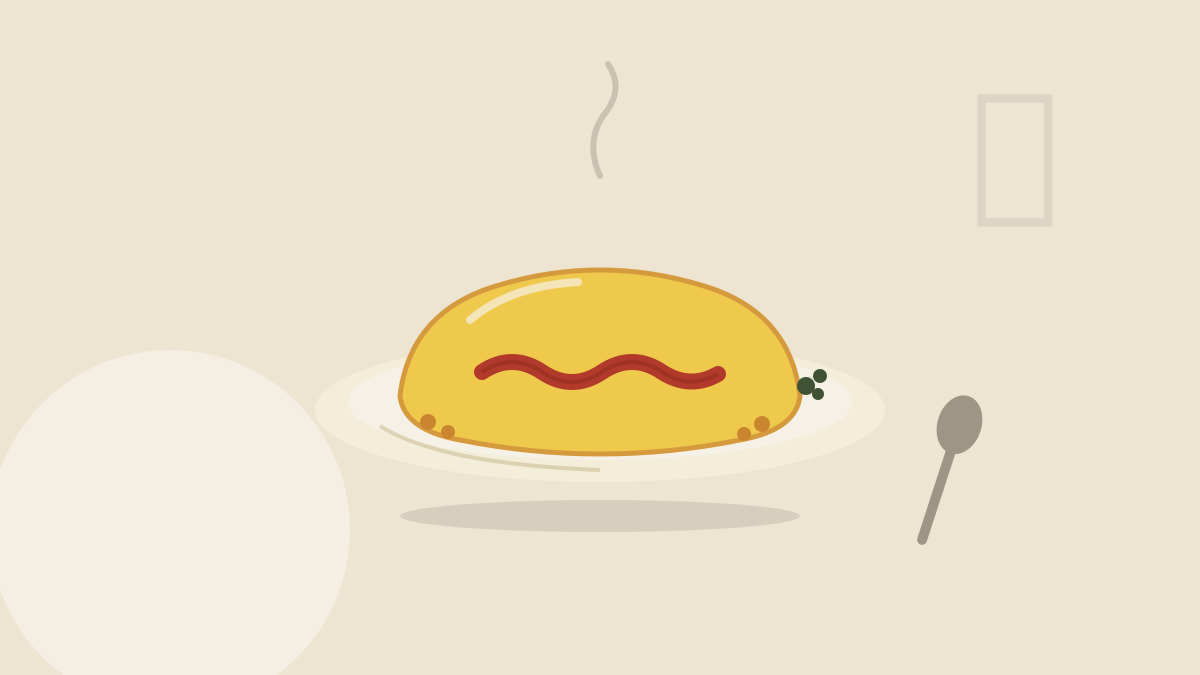
Ketchup rice tucked into a soft omelet — Taishō-era yōshoku comfort with two birth certificates, one from Ginza and one from Osaka, both stories told straight.
By Japanese Cookbook Kitchen · June 11, 2026
 丼
丼- Prep
- 15 min
- Cook
- 20 min
- Serves
- 2
- Level
- Intermediate
Omurice is yōshoku at its most affectionate — western ingredients, Japanese logic, a dish invented for comfort rather than prestige. Its paternity suit is told straight in the FAQ: Ginza's Rengatei, the same kitchen that gave us tonkatsu, was serving an omu-raisu by about 1900, while Osaka's Hokkyokusei wrapped the first true ketchup-rice parcel in 1925. By the Taishō and early Shōwa years it was everywhere western food touched ordinary life — department-store dining halls, kissaten, and the children's lunch plate, where it remains the undisputed monarch.
The cooking is two small disciplines joined at the plate. Ketchup rice wants cold rice, hot fat, and the ketchup fried dark before the grains go in; the omelet wants foaming butter, brisk chopsticks, and the nerve to stop at forty seconds. Neither step is hard. Doing both within a minute of each other is the dish — and the reason every yōshoku cook in Japan is judged, sooner or later, by their omurice.
The omelet cooks in about forty seconds and should still shine wet in the middle when it leaves the pan — the rice underneath finishes it. Overcook the egg and you have made a very good lunch and missed the dish.
板前の一言 · A word from the kitchen
Ingredients材料
Serves 2
Ketchup rice
- 400 gcooked Japanese rice, day-old and cold — fresh rice steams itself gummy in the pan; cold rice fries
- 150 gboneless chicken thigh, in small dice
- 0.5onion, finely chopped
- 4 tbspketchup — plus more for the top; this is not the place for artisanal restraint
- 1 tbspbutter
- 1 tspsoy sauce
- salt and black pepper
Omelets
- 4eggs — 2 per omelet, beaten with 1 tsp milk and a pinch of salt each
- 1 tbspbutter — half per omelet
Method作り方
Step 1: Fry the chicken rice
Melt the butter over medium-high heat, cook the onion until soft, then the chicken until just done. Push everything aside, fry the ketchup alone for thirty seconds until it darkens and smells sweet — this kills the raw tang — then break in the cold rice and toss until every grain is stained orange. Season with soy, salt, and pepper.
Step 2: Shape the rice
Divide the rice in two and pack each into a rugby-ball mound on its plate. A rice-bowl mold or two spoons and conviction both work.
Step 3: Make one omelet at a time
Heat half the butter in a small nonstick pan over medium-high until it foams. Pour in one batch of egg and stir briskly with chopsticks for ten seconds, then let it set into a soft, wet-topped round — forty seconds, no more.
Step 4: Drape and shape
Slide the omelet over a rice mound, wet side down against your courage, and tuck the edges under with a paper towel to make a taut yellow parcel. Repeat for the second plate.
Step 5: Sauce and serve
Ribbon ketchup down the seam — with a flourish, since the dish knows it's charming — and serve hot. A leaf of parsley if you're feeling Shōwa about it.
道具 · The tools
Equipment
Rice cooker
炊飯器Consistent short-grain rice with zero attention — the one appliance nearly every page here leans on.
Shop on Amazon →Nonstick frying pan
フライパンFor chanpurū, gyoza, pancakes, and anything that needs a clean release and even browning.
Shop on Amazon →Cooking chopsticks (saibashi)
菜箸Long chopsticks for turning, plating, and beating eggs streaky — the Japanese kitchen’s default hand.
Shop on Amazon →
Equipment links are Amazon affiliate links. As an Amazon Associate we earn from qualifying purchases, at no cost to you. Disclosure.
Questions from the kitchen
Who actually invented omurice?
Two restaurants hold claims, honestly told. Ginza's Rengatei — the tonkatsu pioneer — served a rice-omelet around 1900, egg and rice beaten together as a quick staff meal that customers demanded. Osaka's Hokkyokusei says its owner wrapped ketchup rice in a thin omelet in 1925 for a regular with a bad stomach who ate omelets daily. The wrapped form we cook is closer to Osaka's; the name and the idea are Tokyo's. Both restaurants still serve theirs.
What is the restaurant-style molten version?
The tornado or Kichi Kichi style — a barely-set French omelet split open over the rice so it flows. It is a genuine skill move requiring practice eggs and a drama-tolerant pan. The classic draped version here is more forgiving and, whisper it, better balanced.
Why ketchup, of all things?
Taishō Japan adopted ketchup as an exciting western sauce right as yōshoku kitchens were domesticating omelets and pilafs. Kagome began producing it domestically in 1908, and its sweet acidity against butter and rice is the entire flavor signature of the dish. Demi-glace versions exist and are lovely, but they are a different nostalgia.
次はこちら · Cook next
Keep the burner on
 丼
丼Rice & Donburi · 50 min · Intermediate
Katsudonカツ丼
Crisp tonkatsu simmered with onions in sweet dashi-soy and set with barely-cooked egg over rice — the Taishō-era donburi that made yōshoku fully Japanese.
 丼
丼Rice & Donburi · 25 min · Beginner
Unadonうな丼
Kabayaki eel lacquered in sweet tare over hot rice — an Edo summer ritual with the best marketing legend in Japanese food history. Store-bought eel welcome.
 丼
丼Rice & Donburi · 45 min · Beginner
Salted Salmon Onigiri鮭お握り
Proper rice balls with salted salmon — how to cook and season the rice, shape with wet hands, and keep the nori crisp until the first bite.