Hiyashi Sōmen
三輪素麺
Ice-cold sōmen with dipping sauce, done properly — Japan's oldest noodle, first stretched at Miwa in Nara thirteen centuries ago as a Tang-dynasty import.
By Japanese Cookbook Kitchen · June 9, 2026
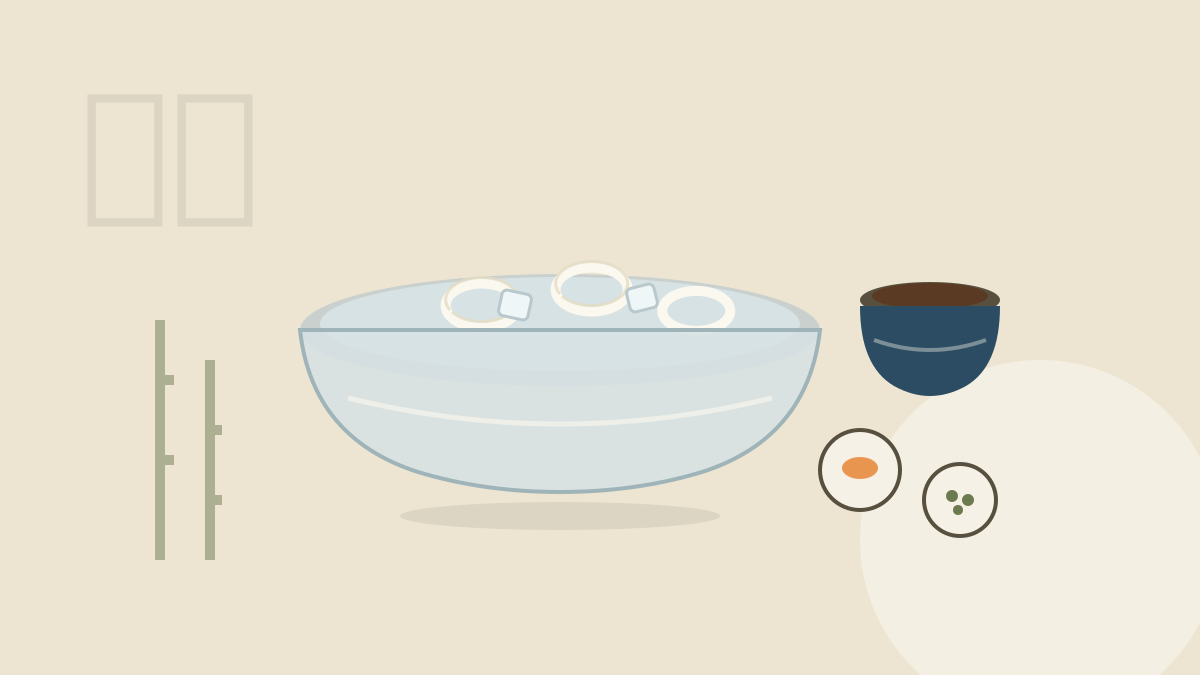 麺
麺- Prep
- 15 min
- Cook
- 5 min
- Serves
- 2
- Level
- Beginner
Before soba, before udon, before ramen was even a rumor — there was sōmen. Its ancestor arrived in the Nara period, when Japan was importing everything Tang China would part with: law codes, temple architecture, chopsticks, and a twisted wheat-flour confection called sakubei that court records list among the offerings at Ōmiwa Shrine. Thirteen centuries of stretching later, the town of Miwa still makes Japan's benchmark sōmen, hair-thin and aged in the mountain winter.
For a food this old, the modern dish is gloriously simple: two minutes of boiling, a cold and vigorous wash, ice, and a chilled dipping sauce spiked with ginger and scallion. Sōmen is what Japan eats when summer gets serious — the noodle equivalent of a cold plunge — and entire regional festivals exist to send it floating down bamboo flumes toward waiting chopsticks.
The recipe rewards exactly one thing: respect for timing. Overcook it by a minute and you have wet string. Hit it right, wash it cold, and you'll understand how a noodle outlives empires.
Sōmen cooks in two minutes and dies in three. Water at a full rolling boil, a timer you obey, and a brutal cold-water wash — that's the entire craft of serving it.
板前の一言 · A word from the kitchen
Ingredients材料
Serves 2
Tsuyu (dipping sauce)
- 200 mlawase dashi
- 50 mlsoy sauce
- 50 mlmirin
Noodles & garnishes
- 200 gdried sōmen — Miwa sōmen if you can find it — the birthplace still makes the benchmark
- 1 knobfresh ginger, finely grated
- 2scallions, sliced hair-thin
- 1 tsptoasted sesame seeds
- myōga, shiso, or a few ice cubes and cucumber batons — optional but very much in the spirit
Method作り方
Step 1: Make the tsuyu ahead
Simmer mirin one minute to soften its alcohol, add dashi and soy, return to a bare simmer, then chill completely. Cold sauce is half the dish — make it in the morning.
Step 2: Boil fast, watch closely
Drop the sōmen into a large pot of rolling unsalted water, fanning the bundles out, and cook 90 seconds to 2 minutes — the packet knows your brand best. No salt, no oil, no walking away.
Step 3: Wash like you're angry at it
Drain and rinse under cold running water, rubbing the noodles between your hands until the water runs clear and the strands are slick and cold. This removes surface starch and the faint oil from the stretching process.
Step 4: Ice and arrange
Give the noodles a final bath in iced water, then lift into neat swirls on a plate or into a bowl of cold water with ice, the way summer tables in Nara do it.
Step 5: Dip and eat
Pour tsuyu into small cups, stir ginger and scallion into each, and dip a mouthful of noodles at a time. Sesame on top. The correct sound effect is enthusiastic.
道具 · The tools
Equipment
Zaru (draining basket)
ざるFor draining and serving cold noodles, and rinsing rice — a bamboo or mesh basket that lets everything breathe.
Shop on Amazon →Grater (oroshigane)
おろし金Fine, wet grating for ginger, daikon oroshi, and fresh wasabi — a Western microplane is close.
Shop on Amazon →
Equipment links are Amazon affiliate links. As an Amazon Associate we earn from qualifying purchases, at no cost to you. Disclosure.
Questions from the kitchen
How old is sōmen, really?
Its ancestor, sakubei — a twisted rope of wheat and rice-flour dough — appears in Nara-period records among the sweets and offerings imported from Tang China in the 700s. Over centuries at Miwa, in Nara, it was stretched thinner and thinner with oil until it became sōmen. It comfortably predates udon and soba as Japan's first noodle.
Why is Miwa the birthplace?
Ōmiwa Shrine at Miwa is among Japan's oldest, and temple-shrine towns were where imported grain technology landed first. Local tradition credits a shrine family with first stretching the noodles; the area's cold winters, good wheat, and pure water did the rest. Miwa sōmen is still aged in the mountain cold before sale.
What's the difference between sōmen and hiyamugi or udon?
Width, mostly, and method. Sōmen is stretched with oil to under 1.3 mm; hiyamugi is cut, slightly wider; udon is fatter still. The stretching gives sōmen its distinctive slip and its need for a serious wash — that faint coating of oil is meant to come off in your sink, not stay on the noodle.
次はこちら · Cook next
Keep the burner on
 麺
麺Noodles · 70 min · Intermediate
Weeknight Shoyu Ramen醤油ラーメン
A clear, chicken-and-dashi shoyu ramen you can honestly make on a Tuesday — with a proper tare, marinated eggs, and no ten-hour bone boil.
 麺
麺Noodles · 25 min · Beginner
Izumo Soba出雲そば
Shimane's dark whole-grain soba served warigo style — three stacked lacquer rounds, sauce poured over the noodles, an Edo-era ritual from the land of the gods.
 麺
麺Noodles · 65 min · Intermediate
Sanuki Udon, Kake Style讃岐うどん
Kagawa's proudly chewy udon in hot iriko dashi — hand-kneaded, properly rested, and eaten with the speed and reverence Shikoku demands.