Kawara Soba
瓦そば
Yamaguchi's green tea soba seared crisp on a hot roof tile with beef and egg, dipped in warm tsuyu — a showpiece built on a Meiji soldiers' story.
By Japanese Cookbook Kitchen · May 27, 2026
中国 ChūgokuMeiji era, 1868–1912
 麺
麺- Prep
- 25 min
- Cook
- 20 min
- Serves
- 2
- Level
- Intermediate
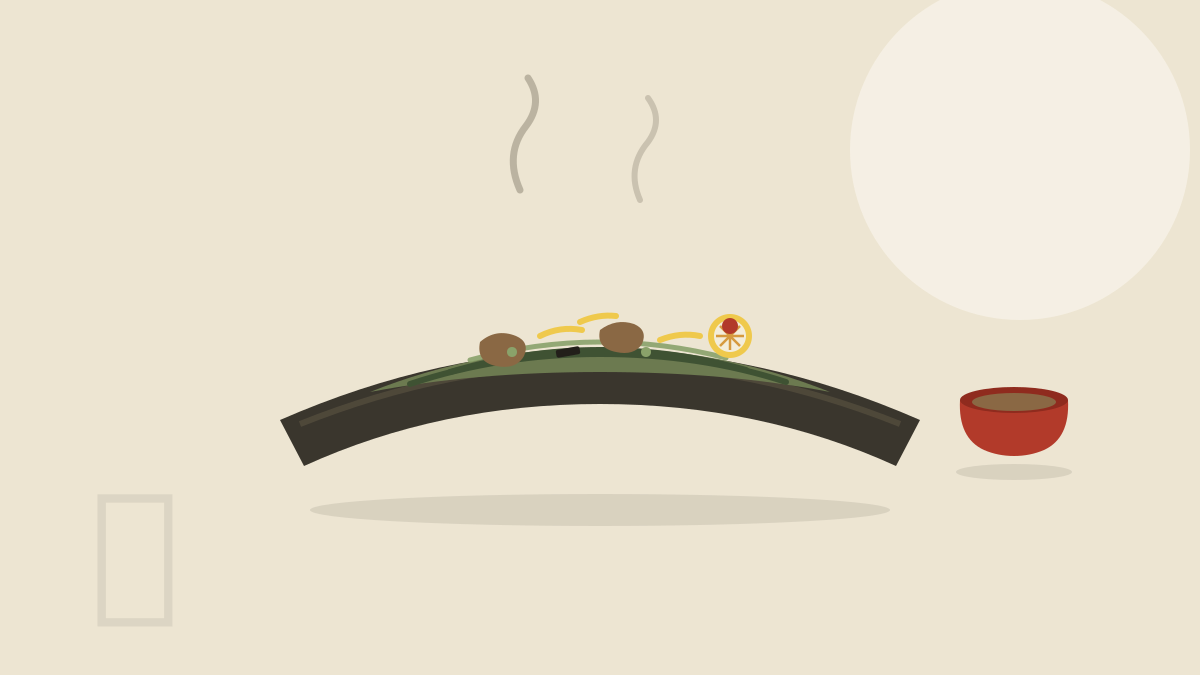
Kawara soba is a young dish wearing an old story. In 1961, Takase Shinichi, an innkeeper at Kawatana Onsen on Yamaguchi's western coast, wanted a signature dish for the hot-spring town. He reached for a tale from the Satsuma Rebellion of 1877 — the last samurai uprising, fought at the other end of Kyūshū — in which soldiers were said to have roasted meat and wild greens on roof tiles scavenged from the battlefield. No document confirms the soldiers' improvisation; it's a story, and Takase knew a good one. He heated a real ceramic kawara, seared green tea soba on it, and a regional icon was born.
The theater turns out to be excellent engineering. A roof tile holds ferocious heat, so the chasoba keeps crisping at the table — the bottom layer shatters, the top stays tender, and the warm tsuyu ties the textures together. Sweet soy beef, ribbons of golden egg, lemon, and a red spark of momiji oroshi finish it. In Yamaguchi homes this is teppan party food made in a frying pan, no roofing required. Cast iron, patience, and the nerve to leave the noodles alone will get you all the way there.
The dish lives and dies on contrast — noodles crackling at the bottom, soft in the middle. Get the pan properly hot, spread the soba thin, and then leave it alone until you hear it.
板前の一言 · A word from the kitchen
Ingredients材料
Serves 2
The noodles
- 200 gdried chasoba (green tea soba) — the green color is matcha kneaded into the buckwheat — plain soba works, but you lose the dish's signature look and bitterness
- 1 tbspneutral oil, plus more for the pan
Toppings
- 150 gthinly sliced beef
- 1 tbspsoy sauce
- 1 tbspmirin
- 1 tspsugar
- 2eggs
- 2 sliceslemon
- momiji oroshi (grated daikon with chili)
- 2 tbspscallions, finely sliced
- shredded nori
Warm tsuyu
- 300 mlawase dashi
- 4 tbspsoy sauce
- 3 tbspmirin
- 1 tspsugar
Method作り方
Step 1: Make the warm tsuyu
Simmer dashi, soy, mirin, and sugar for 2 minutes and keep warm. Unlike cold soba's icy dip, kawara soba's sauce is served hot — it has to stand up to sizzling noodles and beef fat.
Step 2: Sweeten the beef and shred the egg
Sear the beef fast with soy, mirin, and sugar until glossy. Whisk the eggs, cook into two thin crepes, and slice into fine golden ribbons — kinshi tamago, "golden threads."
Step 3: Parboil the chasoba short
Cook the soba a full minute less than the packet says, rinse briefly, drain hard, and toss with the oil. It finishes cooking on the hot metal, and soggy noodles will never crisp.
Step 4: Sear on your roof tile
Get a cast-iron pan or plancha smoking-hot — this is your kawara, the roof tile. Spread the noodles in an even layer and don't touch them for 3–4 minutes, until the underside crackles and smells toasty. Restaurants serve it still on the tile; cast iron carries the same heat to the table.
Step 5: Top and serve sizzling
Pile the beef and egg threads over the noodles, add scallion, nori, and the lemon slices crowned with momiji oroshi. Bring the pan to the table with the warm tsuyu alongside — everyone pulls noodles from the crisp edge inward, dipping as they go.
道具 · The tools
Equipment
Portable gas burner
カセットコンロThe tabletop butane burner that turns any nabe into a shared meal — cook and eat from the same pot.
Shop on Amazon →Flat griddle / teppan
鉄板A wide flat surface for okonomiyaki, monjayaki, and yakisoba — cast iron or an electric hot plate.
Shop on Amazon →Zaru (draining basket)
ざるFor draining and serving cold noodles, and rinsing rice — a bamboo or mesh basket that lets everything breathe.
Shop on Amazon →Mandoline (benriner)
スライサーPaper-thin daikon, cucumber, and cabbage in seconds — the Japanese mandoline home cooks actually own.
Shop on Amazon →Grater (oroshigane)
おろし金Fine, wet grating for ginger, daikon oroshi, and fresh wasabi — a Western microplane is close.
Shop on Amazon →
Equipment links are Amazon affiliate links. As an Amazon Associate we earn from qualifying purchases, at no cost to you. Disclosure.
Questions from the kitchen
Do people in Yamaguchi actually cook this on a roof tile?
Restaurants genuinely do — a real ceramic kawara, heated until the noodles hiss on contact. The tile holds heat beautifully and keeps crisping the soba at the table. At home, cast iron is the honest substitute; what matters is retained heat, not roofing authenticity.
Where does the tile-cooking idea come from?
The story goes that during the Satsuma Rebellion of 1877, soldiers in the field roasted meat and wild greens on roof tiles pulled from ruined buildings. It's a campfire tale with no hard documentation, but it's the tale Takase Shinichi was told — and in 1961 at Kawatana Onsen he built a dish around it.
Why lemon and grated daikon on hot noodles?
Relief. The dish is rich — sweet beef, fried noodles, warm salty tsuyu — and the citrus and sharp momiji oroshi reset your palate between bites. Slide the lemon slice into your tsuyu partway through and the sauce brightens for the second half.
次はこちら · Cook next
Keep the burner on
 麺
麺Noodles · 70 min · Intermediate
Weeknight Shoyu Ramen醤油ラーメン
A clear, chicken-and-dashi shoyu ramen you can honestly make on a Tuesday — with a proper tare, marinated eggs, and no ten-hour bone boil.
 麺
麺Noodles · 25 min · Beginner
Izumo Soba出雲そば
Shimane's dark whole-grain soba served warigo style — three stacked lacquer rounds, sauce poured over the noodles, an Edo-era ritual from the land of the gods.
 麺
麺Noodles · 65 min · Intermediate
Sanuki Udon, Kake Style讃岐うどん
Kagawa's proudly chewy udon in hot iriko dashi — hand-kneaded, properly rested, and eaten with the speed and reverence Shikoku demands.