Katsuo no Tataki
鰹のたたき
Tosa's straw-seared bonito — charred outside, ruby-raw within, sliced thick and slapped with salt or ponzu. Kōchi's defining dish, born of fire and fishing boats.
By Japanese Cookbook Kitchen · May 2, 2026
四国 ShikokuMuromachi era, 1336–1573
 居酒屋
居酒屋- Prep
- 25 min
- Cook
- 5 min
- Serves
- 4
- Level
- Intermediate
Katsuo is not a fish in Kōchi so much as a civic institution. Old Tosa province faces the open Pacific, where the Kuroshio current runs bonito past the coast twice a year — the lean hatsugatsuo of late spring, the fat modori-gatsuo of autumn — and Tosa boats have chased them for centuries with ipponzuri, single pole and barbless hook, one fish at a time. The searing part is where history goes soft. The story goes that Chōsokabe Motochika's armies flame-seared their catch in the field in the 1500s; a rival legend says the Edo-era Yamauchi lords banned raw bonito, so fishermen charred the outside as a loophole. Choose your favorite; neither is documented.
What is documented is on the plate: a slab of fish that is three textures at once — crackling smoke-bitter skin, a millimeter of cooked grey, and a cool red heart — buried under raw garlic and onion and slapped, literally, into seasoning. Done over straw at a Kōchi market stall it is theater. Done over your own stove on a Tuesday it is still, frankly, a small act of arson that ends in dinner, and we mean that as the highest praise.
The sear should be violent and brief — seconds per side over the highest flame you own. If the center warms past cool, you have made cooked fish, and Kōchi will know.
板前の一言 · A word from the kitchen
Ingredients材料
Serves 4
Fish
- 500 gsashimi-grade katsuo (bonito) loin, skin on — ask your fishmonger for a whole quarter loin; skipjack tuna is the same fish under another name
- 2 tspcoarse sea salt
Aromatics & sauce
- 4 clovesgarlic, sliced paper-thin
- 1/2sweet onion, shaved thin and soaked in cold water
- 4scallions, finely sliced
- 2myoga buds, slivered — optional, but their bitter perfume is very Kōchi
- 3 tbspponzu — or 2 tbsp soy sauce loosened with 1 tbsp fresh yuzu or lemon juice
- 1 tbspgrated ginger
Method作り方
Step 1: Salt the loin
Pat the loin dry and rub it all over with about half the salt. This firms the surface, seasons the sear, and starts pulling the fish toward shio-tataki territory before the flame ever arrives.
Step 2: Sear it hard and fast
In Kōchi this happens over burning rice straw, which flares hot and perfumes the skin. At home, thread the loin on two metal skewers and pass it directly over your largest gas burner — or use a torch — about 20 seconds per side, skin side longest, until charred but raw inside.
Step 3: Decide about the ice
Tokyo restaurants plunge the seared loin into ice water; Kōchi mostly does not, arguing the chill deadens the smoke. Our advice is to rest it just 2 minutes at room temperature — the char stays crisp and the center stays cool.
Step 4: Slice thick
Cut crosswise into slabs a full centimeter thick. Tataki is not sashimi; thin slices lose the contrast between smoke, skin, and cool red interior that is the entire point.
Step 5: Pound in the seasoning
Lay the slices on a plate, scatter over salt or spoon over ponzu, then pile on onion, garlic, scallion, myoga, and ginger and pat everything gently into the flesh with your palm. That pat is the tataki — the "pounding" the name remembers.
道具 · The tools
Equipment
Stovetop fish grill
焼き網A yakiami grate for salted fish, mochi, and reviving nori over an open flame.
Shop on Amazon →Mandoline (benriner)
スライサーPaper-thin daikon, cucumber, and cabbage in seconds — the Japanese mandoline home cooks actually own.
Shop on Amazon →Grater (oroshigane)
おろし金Fine, wet grating for ginger, daikon oroshi, and fresh wasabi — a Western microplane is close.
Shop on Amazon →
Equipment links are Amazon affiliate links. As an Amazon Associate we earn from qualifying purchases, at no cost to you. Disclosure.
Questions from the kitchen
Do I really need burning straw?
No — you need ferocious, brief heat, and a gas flame or torch delivers it. What straw adds is a sweet grassy smoke, so if you have a grill and a handful of dry rice straw or hay, use it once. The difference is real but not disqualifying.
Salt or ponzu — which is correct?
Both are orthodox. Shio-tataki — warm from the fire, coarse salt, raw garlic — is how much of Kōchi eats it now and flatters spring's lean hatsugatsuo. Ponzu suits autumn's fattier modori-gatsuo. Serve both and hold a referendum.
Where did tataki actually come from?
Nobody knows, and Kōchi enjoys that. One legend credits Chōsokabe Motochika's soldiers searing fish on their swords; another says the Yamauchi lords banned raw bonito after food poisoning, so fishermen charred the surface and called it cooked. Both are stories — good ones — not history.
次はこちら · Cook next
Keep the burner on
 居酒屋
居酒屋Izakaya · 25 min · Beginner
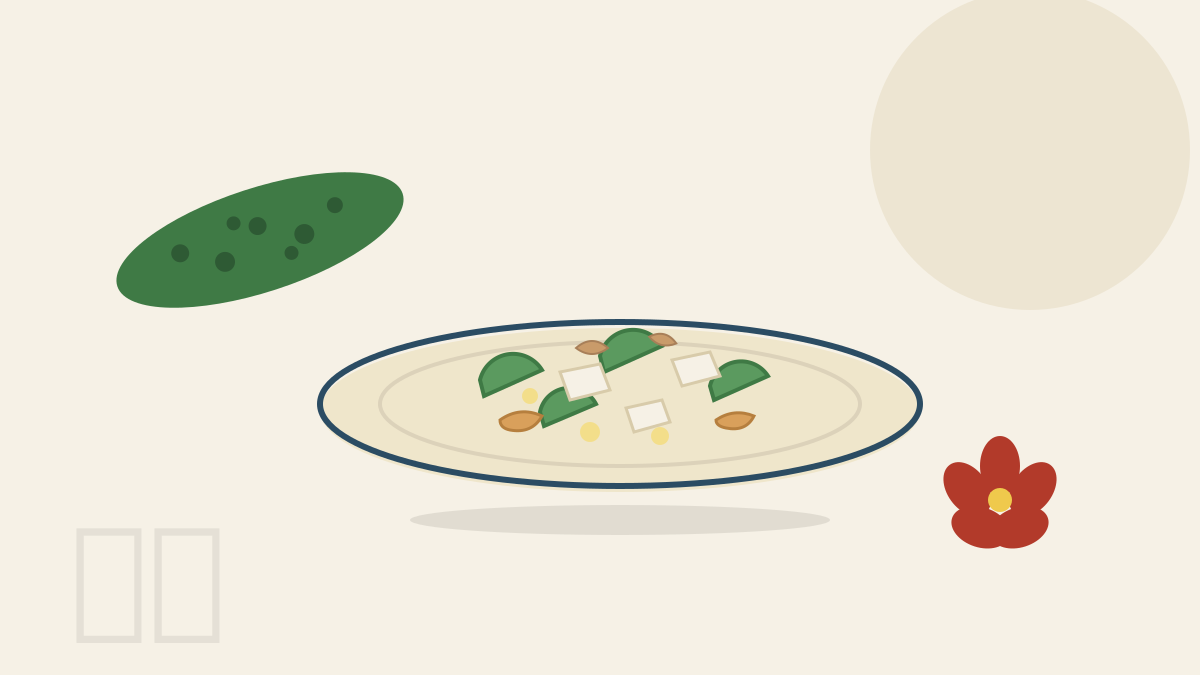
Gōya Chanpurūゴーヤーチャンプルー
Okinawa's bitter melon stir-fry with tofu, pork, and egg — the Ryūkyū Kingdom's everyday masterpiece, and the honest way to make peace with gōya.
 居酒屋
居酒屋Izakaya · 40 min · Beginner
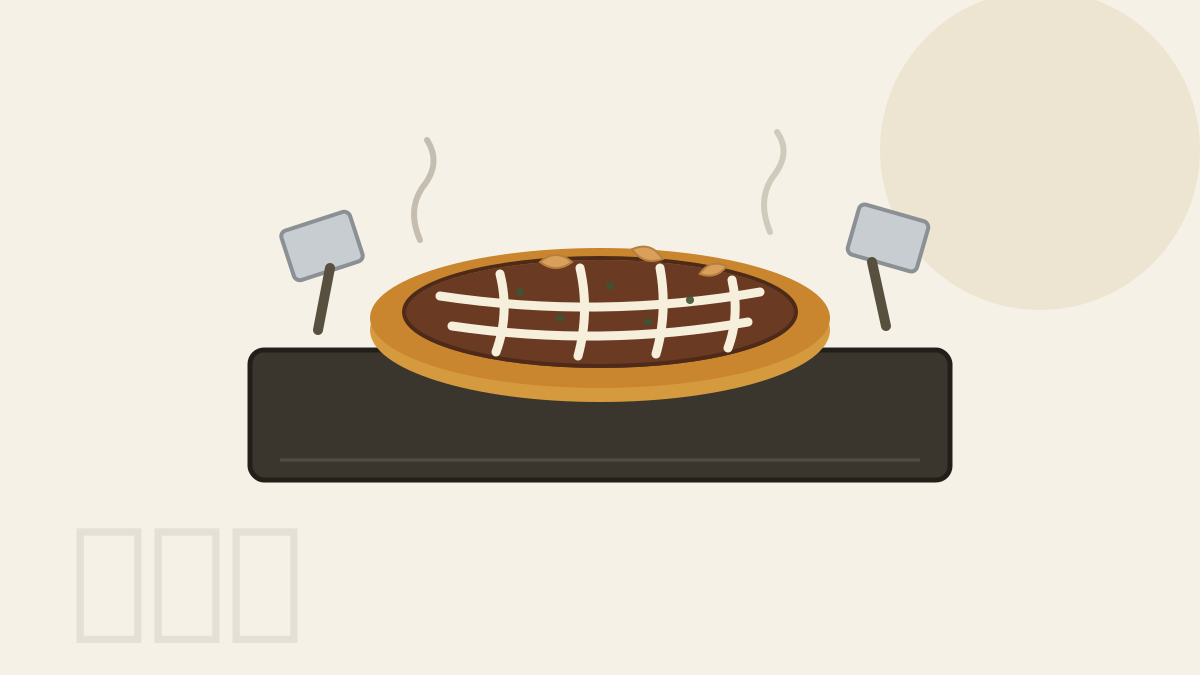
Osaka Okonomiyakiお好み焼き
Osaka's cabbage-and-batter griddle cake with pork belly, sauce, and dancing katsuobushi — postwar street food perfected. Dashi in the batter is the difference.
 居酒屋
居酒屋Izakaya · 35 min · Intermediate
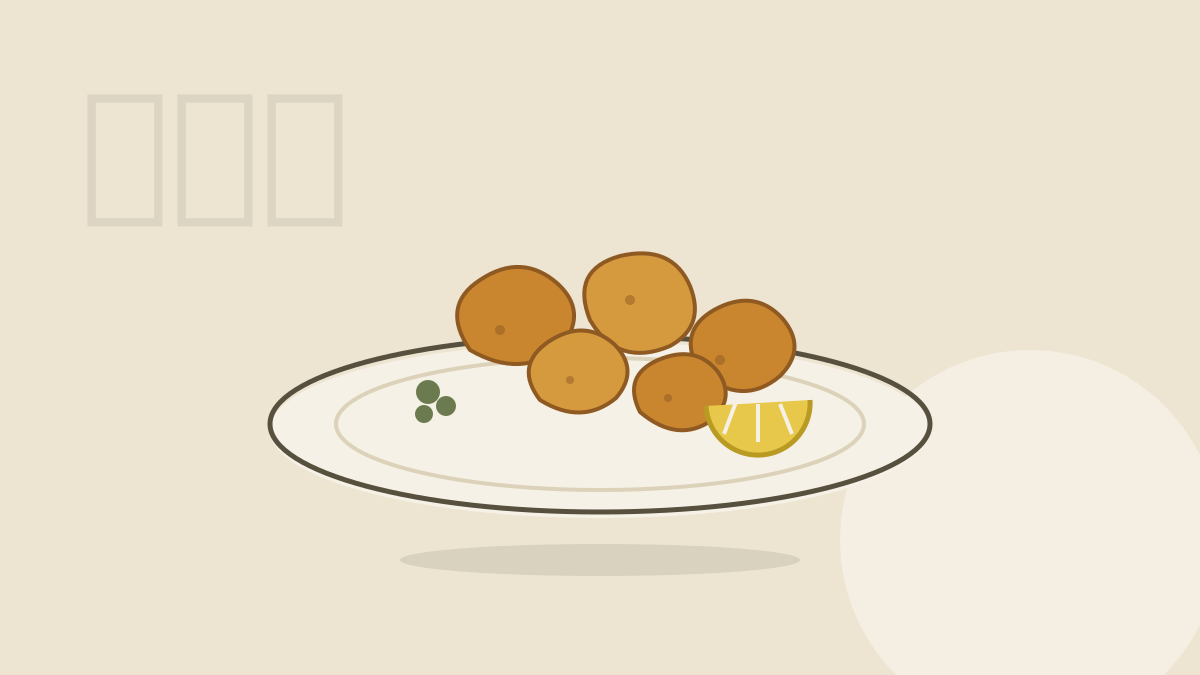
Chicken Karaage鶏の唐揚げ
Japanese fried chicken with a soy-ginger marinade, a potato-starch crust, and the double-fry that keeps it crackling — izakaya standard, home method.