Anago Meshi
あなご飯
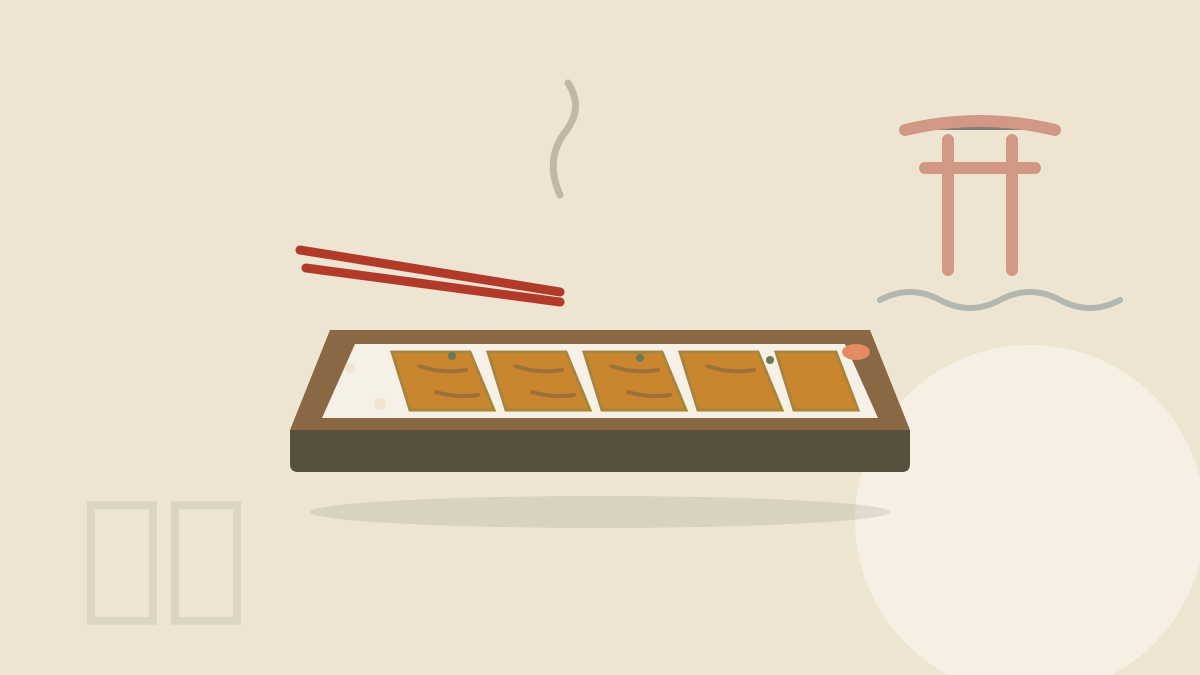
Miyajima's conger eel over eel-broth rice — glaze-grilled anago laid in neat tiles, a dish born as a station bento at Miyajimaguchi in 1901.
By Japanese Cookbook Kitchen · May 15, 2026
中国 ChūgokuMeiji era, 1868–1912
 丼
丼- Prep
- 20 min
- Cook
- 50 min
- Serves
- 2
- Level
- Intermediate
Anago meshi is a railway dish. In 1901, as the San'yō line brought travelers to Miyajimaguchi — the pier where ferries cross to the shrine island of Itsukushima — a local shopkeeper named Ueno Tamekichi began selling boxes of glaze-grilled conger eel laid over rice as an ekiben, a station bento. The genius move was the rice: cooked not in water but in broth simmered from the anago bones, so every grain tasted of eel before the eel arrived. The shop he founded still stands by the old station, still packs the same box, and the queue on a weekend runs past the door.
The eel itself is older business. Conger thrive in the fast tidal channels of the Seto Inland Sea around Miyajima, and Edo-period records already praise the strait's anago as sweeter and plumper than most. Unlike its freshwater cousin unagi, anago is lean and gentle, which is why the dish works in layers — a light tare brushed and re-grilled until the edges burnish, over rice that carries the deeper flavor. Eat it hot if you like, but know that the original was built to be good cold, somewhere past Iwakuni, with the sea going by the window.
The secret nobody mentions is under the eel — the rice is cooked in broth drawn from the anago bones and heads. Skip that and you've made eel on rice; keep it and you've made anago meshi.
板前の一言 · A word from the kitchen
Ingredients材料
Serves 2
Rice and broth
- 300 gJapanese short-grain rice
- 400 mlanago bone broth — simmer the heads and bones from your fishmonger 20 minutes with a strip of kombu; substitute awase dashi if you bought fillets only
- 1 tbspsoy sauce
- 1 tbspsake
Anago and glaze
- 2fresh anago fillets, butterflied — conger eel, milder and leaner than unagi; pre-grilled vacuum-packed anago is an honest shortcut
- 4 tbspsoy sauce
- 4 tbspmirin
- 2 tbspsake
- 1 tbspsugar
To finish
- sanshō pepper
- shredded nori and pickled ginger
Method作り方
Step 1: Make the glaze
Simmer soy, mirin, sake, and sugar until reduced by a third and just syrupy. Anago tare is lighter than unagi tare — the conger's delicacy drowns under a heavy glaze, so stop before it turns to lacquer.
Step 2: Cook the rice in the broth
Rinse the rice and cook it in the anago broth with the soy and sake in place of plain water. It should come out pale gold and savory on its own — this seasoned rice, not the eel, is what made the original bento famous.
Step 3: Grill the anago naked first
Grill or broil the fillets skin-side down without any glaze until the flesh turns opaque and the skin blisters, about 4 minutes. This shirayaki stage drives off the eel's faint muddiness and firms the flesh for saucing.
Step 4: Glaze in layers
Brush with tare and return to the heat, repeating two or three times until the fillets are burnished mahogany at the edges. Each pass caramelizes; one thick coat just steams.
Step 5: Slice and tile
Cut the fillets crosswise into neat strips and lay them edge to edge over the hot rice so no rice shows — the traditional presentation covers the box completely. Finish with a pinch of sanshō and let it sit, lidded, for two minutes so the glaze weeps into the rice.
道具 · The tools
Equipment
Rice cooker
炊飯器Consistent short-grain rice with zero attention — the one appliance nearly every page here leans on.
Shop on Amazon →Stovetop fish grill
焼き網A yakiami grate for salted fish, mochi, and reviving nori over an open flame.
Shop on Amazon →
Equipment links are Amazon affiliate links. As an Amazon Associate we earn from qualifying purchases, at no cost to you. Disclosure.
Questions from the kitchen
What's the difference between anago and unagi?
Unagi is freshwater eel — rich, fatty, almost dessert-like under its sweet glaze. Anago is saltwater conger, leaner and gentler, with a softness closer to steamed fish. The waters around Miyajima, where the tides run hard through the Ōno strait, have been famous for plump anago since the Edo period.
I can only find frozen pre-grilled anago. Is that cheating?
No. Warm it gently under the broiler with a brush of your own tare and put your effort into the broth-seasoned rice instead. Even in Hiroshima, plenty of home cooks work from the vacuum pack — the dish forgives the shortcut if the rice doesn't take one.
Should this be served hot?
It's genuinely good both ways. The dish began as a station bento meant to be eaten at ambient temperature hours after packing, and devotees argue the flavors settle and deepen as it cools. Hot from the kitchen is more luxurious; lukewarm on a ferry deck is more correct.
次はこちら · Cook next
Keep the burner on
 丼
丼Rice & Donburi · 50 min · Intermediate
Katsudonカツ丼
Crisp tonkatsu simmered with onions in sweet dashi-soy and set with barely-cooked egg over rice — the Taishō-era donburi that made yōshoku fully Japanese.
 丼
丼Rice & Donburi · 25 min · Beginner
Unadonうな丼
Kabayaki eel lacquered in sweet tare over hot rice — an Edo summer ritual with the best marketing legend in Japanese food history. Store-bought eel welcome.
 丼
丼Rice & Donburi · 45 min · Beginner
Salted Salmon Onigiri鮭お握り
Proper rice balls with salted salmon — how to cook and season the rice, shape with wet hands, and keep the nori crisp until the first bite.