Zangi
ザンギ
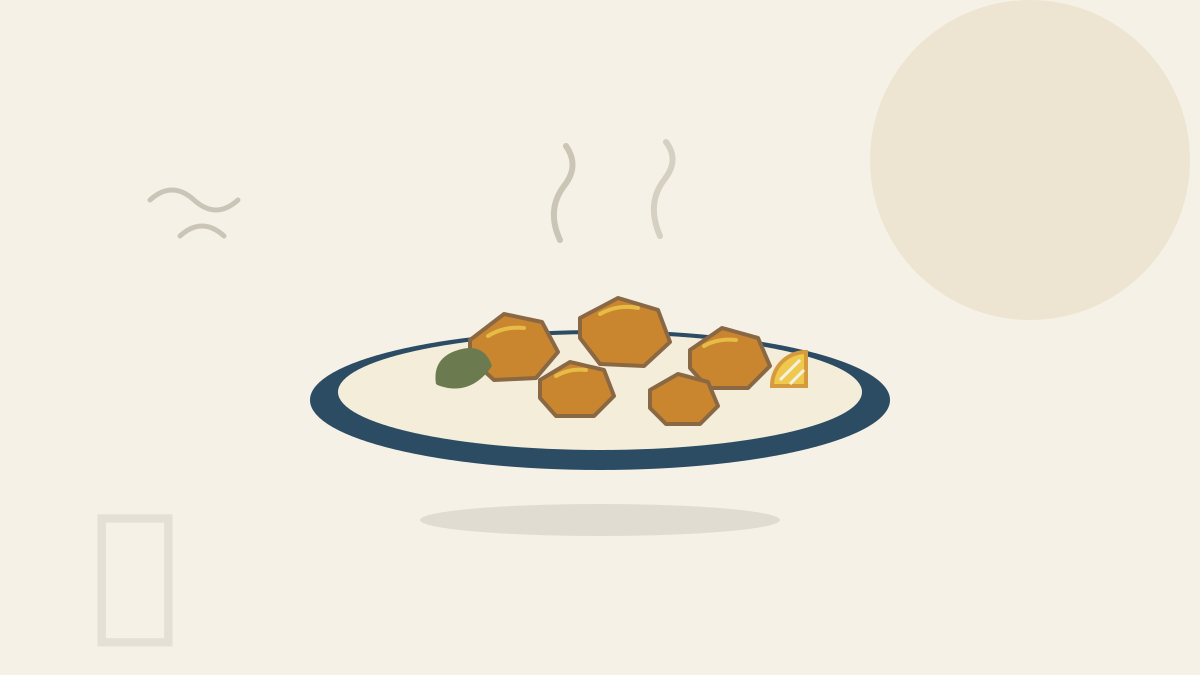
Kushiro's fried chicken, born at the yakitori shop Torimatsu around 1960 — a deeper soy-ginger-garlic marinade than karaage, egg in the coating, and a shattering crust.
By Japanese Cookbook Kitchen · May 22, 2026
北海道 HokkaidōShōwa era, 1926–1989
 居酒屋
居酒屋- Prep
- 15 min
- Cook
- 15 min
- Serves
- 4
- Level
- Beginner
Kushiro is a fog-bound fishing port on Hokkaidō's Pacific coast, and its most famous dish, perversely, is chicken. Around 1960 the yakitori shop Torimatsu began cutting whole broilers into pieces — bone and all — soaking them in a soy-ginger-garlic marinade, and deep-frying them for dockworkers who needed something to stand up to beer and cold sea air. The name zangi, the story goes, came from the Chinese zhájī, fried chicken, with a syllable of luck slipped in. Whatever the etymology, the dish colonized eastern Hokkaidō within a generation.
Karaage seasons the coating; zangi seasons the chicken. The long marinade pushes soy and ginger deep into the thigh meat, the egg binds a coating that fries into crags and shards, and the double fry keeps all of it crisp long past the first round of drinks. It's the izakaya order that makes the rest of the menu wait, and it reheats into tomorrow's best onigiri filling — if any survives, which it won't.
The marinade needs a full 30 minutes and rewards an hour — zangi without a proper soak is just karaage with a Hokkaidō accent. Any longer than overnight and the soy starts to cure the meat.
板前の一言 · A word from the kitchen
Ingredients材料
Serves 4
Chicken and marinade
- 600 gboneless chicken thighs, in 4 cm pieces — skin on — the original Kushiro version was a whole bird chopped through the bone
- 3 tbspsoy sauce
- 1.5 tbspsake
- 1 tbspgrated ginger, with its juice
- 2 clovesgarlic, grated
- 2 tspsugar
- black pepper, generously
Coating and frying
- 1egg, beaten
- 5 tbsppotato starch
- 2 tbspplain flour
- neutral oil for deep-frying
- lemon wedges — to serve
Method作り方
Step 1: Marinate hard
Toss the chicken with the soy, sake, ginger, garlic, sugar, and pepper and leave it 30 to 60 minutes in the fridge. This is the zangi difference — the seasoning lives in the meat, not on it.
Step 2: Bind with egg
Stir the beaten egg through the chicken and its marinade until every piece is slicked. The egg carries the coating and keeps the thigh meat plush through two trips into hot oil.
Step 3: Coat loosely
Add the potato starch and flour and mix with your hand until the coating is shaggy — part batter, part dust. Craggy patches are the point; smooth pieces fry up boring.
Step 4: First fry
Heat the oil to 160°C and fry in batches for three minutes, until pale gold and just cooked. Rest the pieces five minutes on a rack while the carryover heat finishes the centers.
Step 5: Second fry
Raise the oil to 190°C and fry again for 60 to 90 seconds until deep mahogany and audibly crisp. Drain briefly and serve hot with lemon — and a cold beer, if we're being honest about the context.
道具 · The tools
Equipment
Heavy pot / Dutch oven
厚手鍋Deep, heat-retentive, and stable — for deep-frying without temperature crashes and long simmers without scorching.
Shop on Amazon →Frying thermometer
温度計The difference between crisp karaage and greasy karaage is holding the oil at temperature — stop guessing.
Shop on Amazon →Frying spider & tongs
揚げ網Lift fried food clean out of the oil and drain it fast, before the crust turns soft.
Shop on Amazon →Grater (oroshigane)
おろし金Fine, wet grating for ginger, daikon oroshi, and fresh wasabi — a Western microplane is close.
Shop on Amazon →
Equipment links are Amazon affiliate links. As an Amazon Associate we earn from qualifying purchases, at no cost to you. Disclosure.
Questions from the kitchen
How is zangi different from karaage?
Mostly conviction. Zangi is marinated longer and stronger — more soy, more ginger and garlic, a touch of sugar, plenty of pepper — and usually carries egg in its coating, so the crust is craggier and the flavor runs to the bone rather than sitting on the surface. A Kushiro local can tell the difference blindfolded, and will.
Where does the name come from?
The dish is traced to Torimatsu, a Kushiro yakitori shop that started chopping and frying whole broilers around 1960. The name is usually explained as the Chinese zhájī — fried chicken — with an extra syllable of luck dropped into the middle; a good story, told as one.
Is zangi always chicken?
In eastern Hokkaidō the word really means the treatment, not the bird — you'll meet octopus zangi, salmon zangi, even deer zangi. Anything that survives a strong soy marinade and hot oil qualifies.
次はこちら · Cook next
Keep the burner on
 居酒屋
居酒屋Izakaya · 25 min · Beginner
Gōya Chanpurūゴーヤーチャンプルー
Okinawa's bitter melon stir-fry with tofu, pork, and egg — the Ryūkyū Kingdom's everyday masterpiece, and the honest way to make peace with gōya.
 居酒屋
居酒屋Izakaya · 40 min · Beginner
Osaka Okonomiyakiお好み焼き
Osaka's cabbage-and-batter griddle cake with pork belly, sauce, and dancing katsuobushi — postwar street food perfected. Dashi in the batter is the difference.
 居酒屋
居酒屋Izakaya · 35 min · Intermediate
Chicken Karaage鶏の唐揚げ
Japanese fried chicken with a soy-ginger marinade, a potato-starch crust, and the double-fry that keeps it crackling — izakaya standard, home method.