Yakitori
焼き鳥
Meiji street-stall chicken skewers for the home grill — thigh, negi, and tsukune cut by cut, plus the tare-versus-shio doctrine and a tare worth keeping.
By Japanese Cookbook Kitchen · May 28, 2026
 居酒屋
居酒屋- Prep
- 30 min
- Cook
- 20 min
- Serves
- 4
- Level
- Intermediate
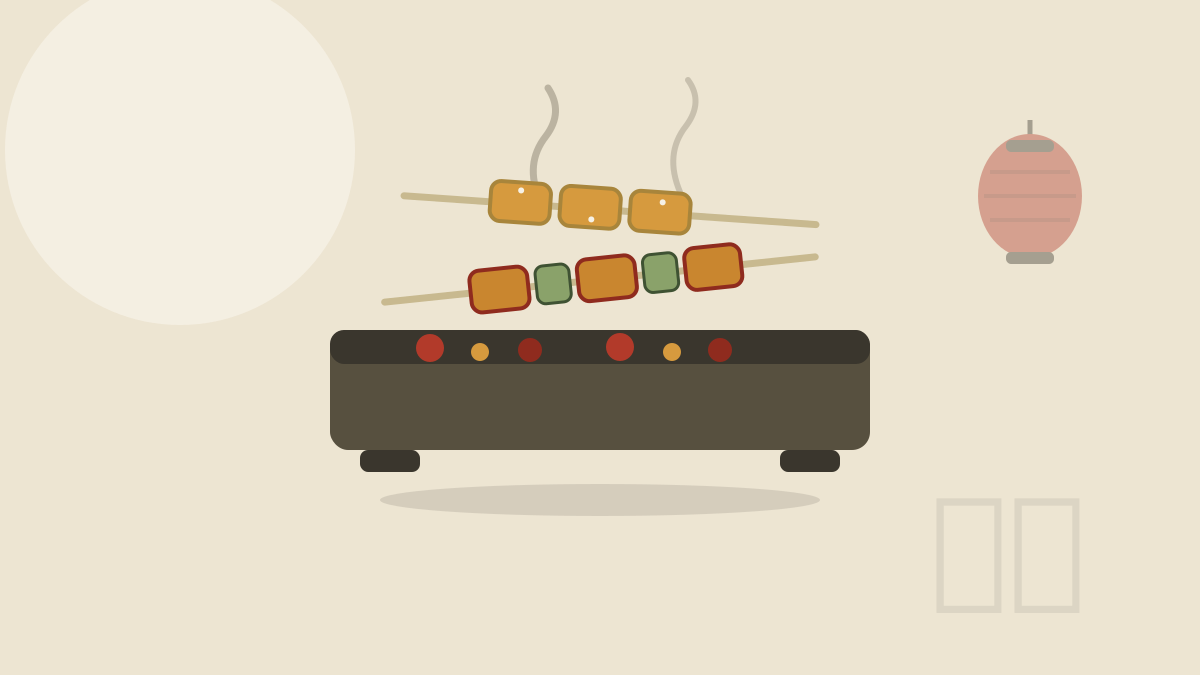
Yakitori is what happened when Meiji Japan gave itself permission to eat meat. After the 1872 imperial beef dinner made carnivory official policy, chicken stalls lit their charcoal outside train stations and shrine gates across Tokyo — working with the gizzards, skin, and necks that grander yōshoku kitchens discarded, the same era and economy that produced our tonkatsu at the fancier end of the street. Smoke was the advertising. It still is: every red lantern hanging outside an izakaya descends from those stalls.
The craft divides neatly in two. Tare — the sweet soy glaze, kept and fed like sourdough in old shops — and shio, plain good salt, each with its rightful cuts, as the FAQ argues. At home the whole game is heat management and honest chicken: thigh cut snug, negi between, tsukune for the table's pacifist. Pour something cold and carbonated — the lemon sour was invented for exactly this smoke.
Crowd the meat on the skewer with no daylight between pieces — gaps dry out and burn the bamboo. And salt earlier than feels right; shio yakitori is seasoned in the shop, not at the table.
板前の一言 · A word from the kitchen
Ingredients材料
Serves 4
Tare
- 100 mlsoy sauce
- 100 mlmirin
- 50 mlsake
- 2 tbspsugar
- 1scallion top and a coin of ginger — simmered in, then fished out
Skewers
- 600 gboneless chicken thighs, skin on — cut into 3 cm squares; thigh, not breast, is doctrine
- 3negi or fat scallions, white parts in 3 cm lengths
- 250 gchicken mince — for tsukune, kneaded with 1 tsp grated ginger, 1 tbsp minced scallion, 1 tsp miso, and a pinch of salt
- 16bamboo skewers, soaked 30 minutes
- flaky salt and sanshō or shichimi, to serve
Method作り方
Step 1: Build the tare
Simmer everything in the tare group until reduced by a third and glossy, about 10 minutes. Decant a portion for brushing and keep the rest clean for serving — raw-chicken brushes never go back in the mother jar.
Step 2: Cut and skewer
Thread thigh squares skin-side out and snug. For negima, alternate thigh and negi. For tsukune, wet your hands and press the seasoned mince around skewers in flattened logs — they hold better than balls.
Step 3: Set up two heats
Grill over binchōtan if you own it, but a grill pan or broiler works: one zone ripping hot, one moderate. Yakitori is a game of moving skewers away from flare-ups, not enduring them.
Step 4: Grill shio and tare separately
Salt half the skewers and grill 8 to 10 minutes, turning often, until the skin blisters. Grill the tare half naked until nearly done, then dip or brush and return to the heat in two or three passes, letting each coat catch and caramelize without burning.
Step 5: Rest one minute, serve with the jar
A short rest lets juices settle. Serve tare skewers with a last spoonful of clean sauce, shio skewers with sanshō or a squeeze of lemon, and nobody gets a plate — the skewer is the plate.
道具 · The tools
Equipment
Portable gas burner
カセットコンロThe tabletop butane burner that turns any nabe into a shared meal — cook and eat from the same pot.
Shop on Amazon →Stovetop fish grill
焼き網A yakiami grate for salted fish, mochi, and reviving nori over an open flame.
Shop on Amazon →Grater (oroshigane)
おろし金Fine, wet grating for ginger, daikon oroshi, and fresh wasabi — a Western microplane is close.
Shop on Amazon →
Equipment links are Amazon affiliate links. As an Amazon Associate we earn from qualifying purchases, at no cost to you. Disclosure.
Questions from the kitchen
Why is yakitori a Meiji dish when Japan is ancient?
Because for most of a millennium eating meat was officially frowned on. The Meiji government reversed course — the emperor conspicuously ate beef in 1872 — and cheap grilled chicken stalls spread outside stations and shrine gates, often selling the offcuts and offal the new western-style restaurants wouldn't touch.
Tare or shio — which is correct?
Both, on different cuts: that is the doctrine. Rich, fatty, or offal-adjacent cuts want tare's sweet lacquer; pristine cuts like good thigh, skin, or breast with wasabi show better under salt alone. A shop that serves everything one way is hiding something.
What other cuts should I try beyond thigh?
Kawa (skin, grilled to a crisp ruffle), sunagimo (gizzard, all snap), rebā (liver, tare only), and seseri (neck, the connoisseur's chew). Buy from a butcher who moves a lot of chicken and grill offal the day you buy it.
次はこちら · Cook next
Keep the burner on
 居酒屋
居酒屋Izakaya · 25 min · Beginner
Gōya Chanpurūゴーヤーチャンプルー
Okinawa's bitter melon stir-fry with tofu, pork, and egg — the Ryūkyū Kingdom's everyday masterpiece, and the honest way to make peace with gōya.
 居酒屋
居酒屋Izakaya · 40 min · Beginner
Osaka Okonomiyakiお好み焼き
Osaka's cabbage-and-batter griddle cake with pork belly, sauce, and dancing katsuobushi — postwar street food perfected. Dashi in the batter is the difference.
 居酒屋
居酒屋Izakaya · 35 min · Intermediate
Chicken Karaage鶏の唐揚げ
Japanese fried chicken with a soy-ginger marinade, a potato-starch crust, and the double-fry that keeps it crackling — izakaya standard, home method.