Yaki-tōkibi
焼きとうきび
Sapporo's grilled corn — whole ears charred over coals and basted with soy-butter until the kernels blister and caramelise. The smell of Ōdōri Park in summer.
By Japanese Cookbook Kitchen · June 6, 2026
北海道 HokkaidōShōwa era, 1926–1989
 居酒屋
居酒屋- Prep
- 10 min
- Cook
- 15 min
- Serves
- 4
- Level
- Beginner
If Hokkaidō has a street-food anthem, it is the smell of yaki-tōkibi drifting across Sapporo's Ōdōri Park on a summer evening. Tōkibi is the island's dialect word for corn, and the grilled-corn stalls that line the park have been a fixture since the post-war Shōwa decades, when Ōdōri settled into its role as the city's central promenade. The corn itself is the point of pride — Hokkaidō's short, bright summers and broad plains, farmed in the American style since the Meiji development years, produce sweet corn the rest of Japan covets. Grilling it over coals with soy and butter is simply the loudest way to show it off.
The technique is less about the fire than about patience with the baste. Steam the ears first so the grill can do one job — char — then build the soy-butter glaze in coats, letting each one blister and darken before the next. What you get is corn on the cob with a lacquered, smoky, salty-sweet crust and butter in every crevice, eaten off the cob with your hands and no apology. It is park food, summer food, Hokkaidō food, and it does not travel — which is exactly why you make it at home when the good corn lands.
Steam or par-boil the corn before it hits the grill. Dry raw corn scorches on the outside long before the kernels cook through — you want char, not carbon.
板前の一言 · A word from the kitchen
Ingredients材料
Serves 4
The corn
- 4ears sweet corn — husked; Hokkaidō summer corn if you can get it
- water — for the initial steam or boil
Soy-butter baste
- 30 gbutter — melted
- 2 tbspsoy sauce
- 1 tbspmirin
- 1 tspsugar — optional, for a faster char
Method作り方
Step 1: Pre-cook the corn
Steam or gently boil the husked ears for five to seven minutes, until the kernels are just tender. This is the step that lets you grill for char alone, without gambling on the inside.
Step 2: Make the baste
Stir the melted butter, soy, mirin, and sugar together in a small bowl. The sugar and mirin are there to help the glaze catch and blister over the heat.
Step 3: Grill and turn
Set the corn over hot coals or a ridged pan and turn it often, letting each side pick up dark spots. You're chasing the Maillard smell that pulls people across a park.
Step 4: Baste in layers
Brush on the soy-butter once the corn is marked, then keep brushing and turning. Each coat caramelises and builds — three or four passes gets you the lacquered, blistered finish.
Step 5: Serve on the cob
Give the ears one last brush and serve straight off the heat, on the cob, with napkins you'll actually need. Eaten standing up is traditional.
道具 · The tools
Equipment
Stovetop fish grill
焼き網A yakiami grate for salted fish, mochi, and reviving nori over an open flame.
Shop on Amazon →
Equipment links are Amazon affiliate links. As an Amazon Associate we earn from qualifying purchases, at no cost to you. Disclosure.
Questions from the kitchen
What does "tōkibi" mean?
It's the Hokkaidō dialect word for corn — tōkibi rather than the standard tōmorokoshi. On the island, and especially at the Ōdōri Park stalls, grilled corn is yaki-tōkibi, and the local name is half the charm.
No grill — can I do this indoors?
Yes. A ridged grill pan or a very hot cast-iron skillet will give you char, and you can finish an ear directly over a gas flame with tongs for real blistering. You lose a little of the coal smoke, but the soy-butter lacquer carries it.
次はこちら · Cook next
Keep the burner on
 居酒屋
居酒屋Izakaya · 25 min · Beginner
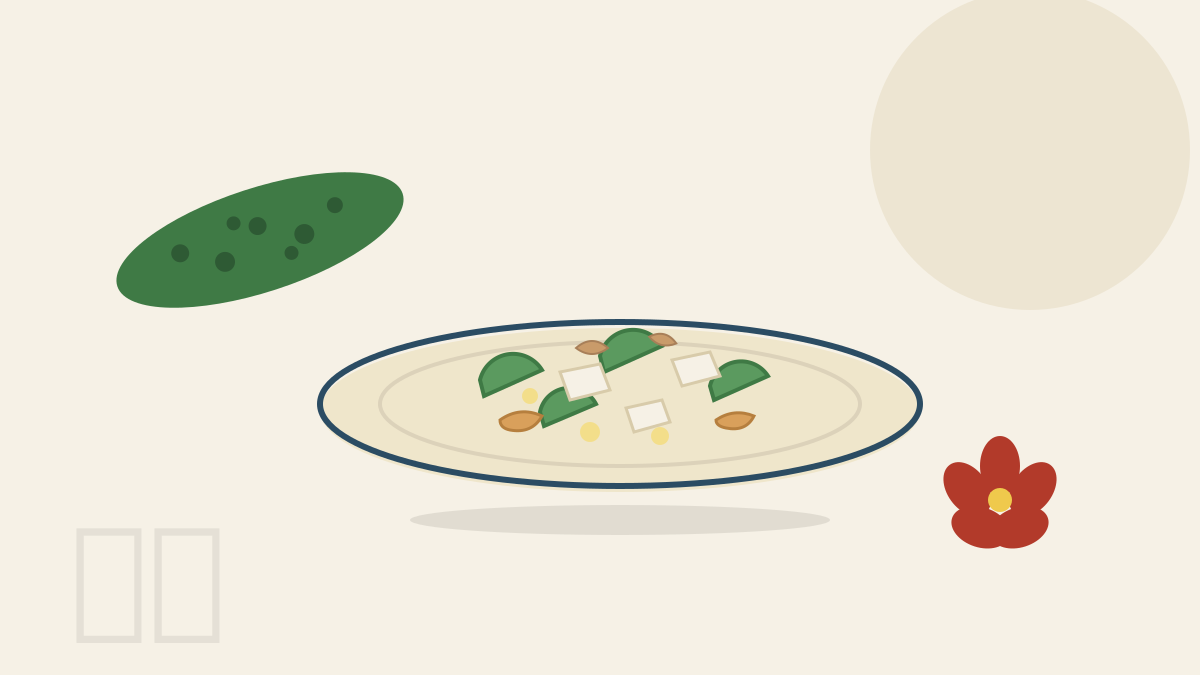
Gōya Chanpurūゴーヤーチャンプルー
Okinawa's bitter melon stir-fry with tofu, pork, and egg — the Ryūkyū Kingdom's everyday masterpiece, and the honest way to make peace with gōya.
 居酒屋
居酒屋Izakaya · 40 min · Beginner
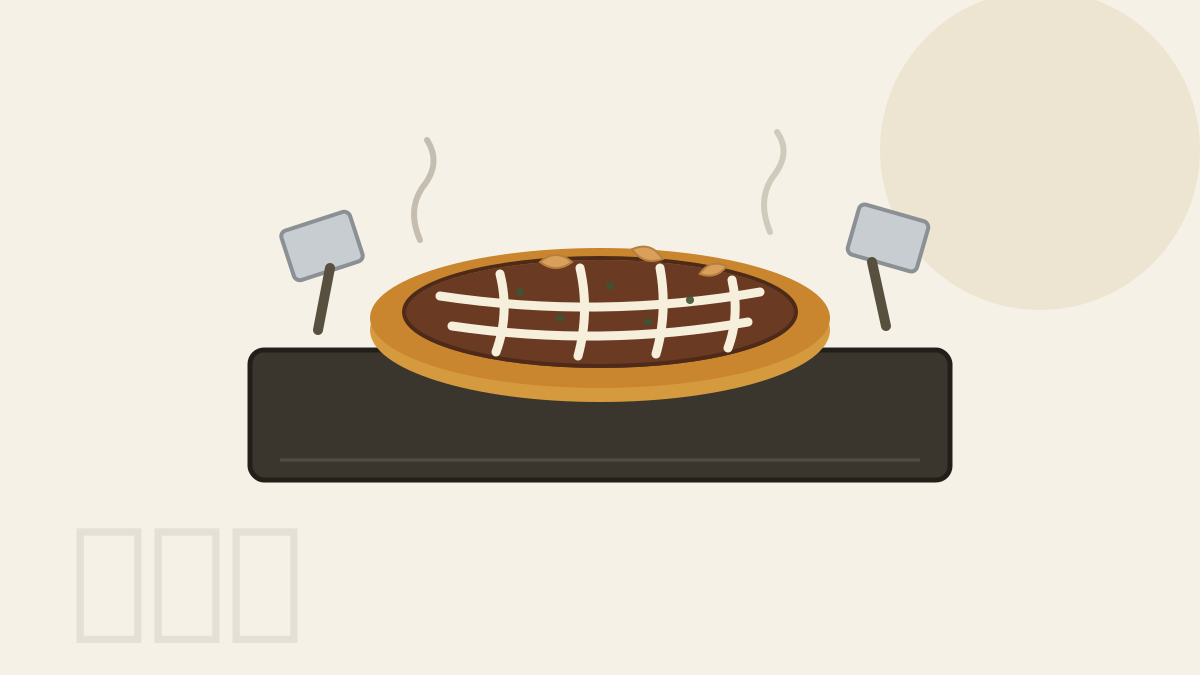
Osaka Okonomiyakiお好み焼き
Osaka's cabbage-and-batter griddle cake with pork belly, sauce, and dancing katsuobushi — postwar street food perfected. Dashi in the batter is the difference.
 居酒屋
居酒屋Izakaya · 35 min · Intermediate
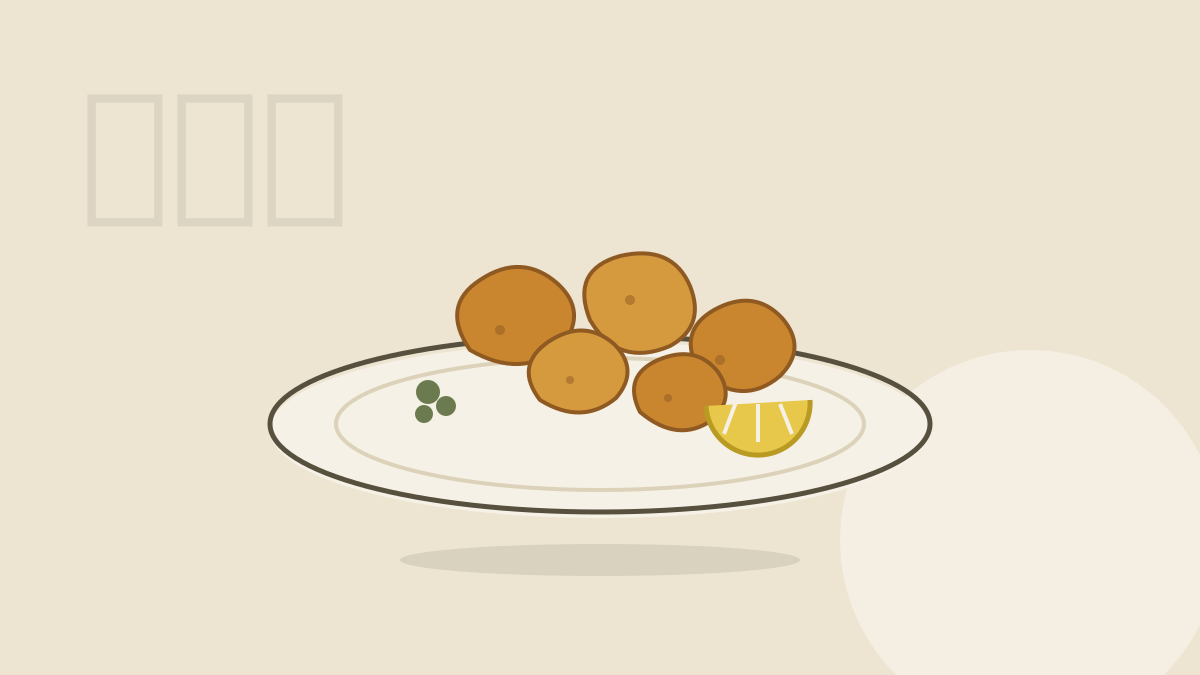
Chicken Karaage鶏の唐揚げ
Japanese fried chicken with a soy-ginger marinade, a potato-starch crust, and the double-fry that keeps it crackling — izakaya standard, home method.