Toriten
とり天
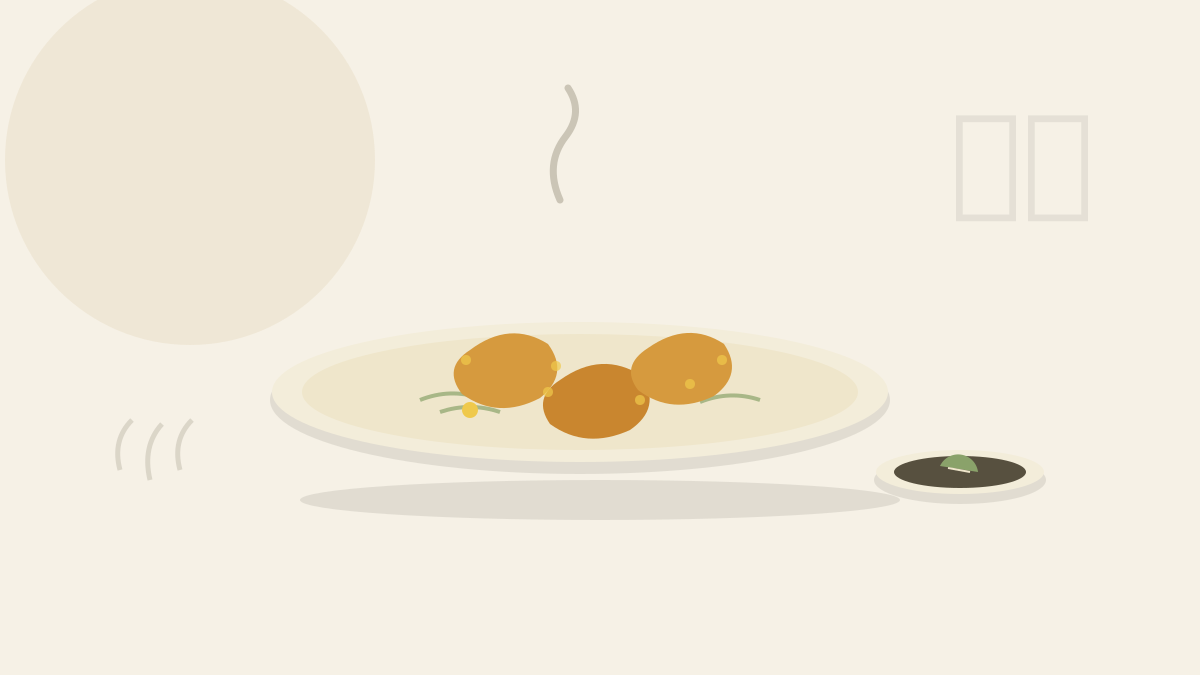
Ōita's chicken tempura — marinated thigh in a light, egg-rich batter, fried golden and dipped in kabosu-ponzu; the local answer to karaage, born in Beppu's restaurants.
By Japanese Cookbook Kitchen · June 8, 2026
 居酒屋
居酒屋- Prep
- 20 min
- Cook
- 15 min
- Serves
- 3
- Level
- Beginner
Toriten is Ōita's quiet correction to anyone who thinks Kyūshū fried chicken begins and ends with karaage. On the island's eastern coast, in and around the hot-spring city of Beppu, restaurants in the mid-twentieth century took chicken thigh, marinated it lightly, and cloaked it not in a dry, craggy dredge but in a soft, puffy tempura batter. Several Beppu establishments claim to have first served it in the postwar years, and while the exact birthplace is the sort of thing locals will argue over a beer, the dish long ago outgrew any single kitchen to become the prefecture's signature. It arrives with shredded cabbage and a saucer of kabosu-ponzu, and it is eaten by the plateful.
The whole character of the dish is in that batter and that citrus. A cold, deliberately lumpy tempura coat fries into something lacy and light — nothing like karaage's armor — and the dip of soy brightened with kabosu, Ōita's own floral, tart citrus, keeps it from ever feeling heavy. Get the oil hot, the batter cold, and a little kabosu on the table, and you'll understand why an entire prefecture reaches for another piece.
Toriten is not karaage — the difference is the batter. Karaage is dredged and crunchy; toriten is cloaked in a soft, puffy tempura coat. Keep the batter cold and lumpy and the oil moving, and don't overwork it into a paste.
板前の一言 · A word from the kitchen
Ingredients材料
Serves 3
Chicken and marinade
- 400 gboneless chicken thigh — thigh, not breast; its fat keeps the meat juicy under the batter
- 1 tbspsoy sauce
- 1 tbspsake
- 1 tspgrated ginger
- 1 clovegarlic, grated
- 1 pinchsalt and white pepper
Tempura batter
- 1egg
- 150 mlice-cold water
- 100 gcake flour — low-protein flour keeps the coat light; do not substitute bread flour
- 1 tbsppotato starch — for extra crispness
Ponzu dip and frying
- 3 tbspsoy sauce
- 3 tbspkabosu juice — Ōita's fragrant citrus; sudachi or a lime-lemon mix is the substitute
- 2 tbspawase dashi
- 1 tspmirin
- 1 Lneutral oil — for deep-frying at 175°C
- 1 tspkarashi mustard — to serve alongside
Method作り方
Step 1: Marinate the thigh
Cut the thigh into bite-size pieces and toss with soy, sake, ginger, garlic, salt, and pepper. Let it sit fifteen minutes while you build the batter and dip — long enough to season, short enough to keep the meat from going soft.
Step 2: Mix the ponzu
Stir together soy, kabosu juice, dashi, and mirin for the dip. Kabosu is the citrus that perfumes Ōita cooking; its sharp, floral acidity is what makes toriten feel light no matter how much you eat. Set the ponzu aside to meld.
Step 3: Make a cold, lumpy batter
Beat the egg into the ice water, then tip in the cake flour and starch and stir just a few strokes with chopsticks. Leave it lumpy and streaked with dry flour — an overmixed batter goes gluey and heavy. Keep the bowl in a larger bowl of ice.
Step 4: Fry in batches
Heat oil to 175°C. Dip each piece in batter, let the excess run off, and lower it in, frying only a few at a time so the temperature holds. Cook about three minutes until pale gold and floating; the batter should be lacy, not thick.
Step 5: Drain and serve with ponzu
Drain on a rack and serve hot with the kabosu-ponzu and a dab of karashi. In Ōita it comes with shredded cabbage, and the done-right test is simple: you should keep reaching for another piece.
道具 · The tools
Equipment
Heavy pot / Dutch oven
厚手鍋Deep, heat-retentive, and stable — for deep-frying without temperature crashes and long simmers without scorching.
Shop on Amazon →Frying thermometer
温度計The difference between crisp karaage and greasy karaage is holding the oil at temperature — stop guessing.
Shop on Amazon →Frying spider & tongs
揚げ網Lift fried food clean out of the oil and drain it fast, before the crust turns soft.
Shop on Amazon →Grater (oroshigane)
おろし金Fine, wet grating for ginger, daikon oroshi, and fresh wasabi — a Western microplane is close.
Shop on Amazon →Cooking chopsticks (saibashi)
菜箸Long chopsticks for turning, plating, and beating eggs streaky — the Japanese kitchen’s default hand.
Shop on Amazon →
Equipment links are Amazon affiliate links. As an Amazon Associate we earn from qualifying purchases, at no cost to you. Disclosure.
Questions from the kitchen
How is toriten different from karaage?
Both are fried chicken, but the coating is a different world. Karaage is marinated chicken dredged in starch or flour and fried to a hard, craggy crunch. Toriten wears a soft, puffy tempura batter and is dipped in ponzu, not eaten dry. Ōita is proud of the distinction; ordering one and expecting the other disappoints everyone.
Where does toriten come from?
From Ōita Prefecture on Kyūshū's east coast, where it emerged in the restaurants of Beppu — the famous hot-spring town — in the mid-twentieth century. Several Beppu establishments claim to have originated it in the postwar decades; the dish spread across the prefecture and became Ōita's signature. Treat any single-restaurant origin story as local legend.
What can I use instead of kabosu?
Kabosu is Ōita's own citrus — floral, tart, greener than yuzu — and it grows almost nowhere else, so most cooks abroad won't find it. Sudachi is the closest, and failing that a mix of lime and lemon juice gets you the bright acidity, if not the exact perfume. Don't skip the citrus; it's the point.
次はこちら · Cook next
Keep the burner on
 居酒屋
居酒屋Izakaya · 25 min · Beginner
Gōya Chanpurūゴーヤーチャンプルー
Okinawa's bitter melon stir-fry with tofu, pork, and egg — the Ryūkyū Kingdom's everyday masterpiece, and the honest way to make peace with gōya.
 居酒屋
居酒屋Izakaya · 40 min · Beginner
Osaka Okonomiyakiお好み焼き
Osaka's cabbage-and-batter griddle cake with pork belly, sauce, and dancing katsuobushi — postwar street food perfected. Dashi in the batter is the difference.
 居酒屋
居酒屋Izakaya · 35 min · Intermediate
Chicken Karaage鶏の唐揚げ
Japanese fried chicken with a soy-ginger marinade, a potato-starch crust, and the double-fry that keeps it crackling — izakaya standard, home method.