Sōki
ソーキ
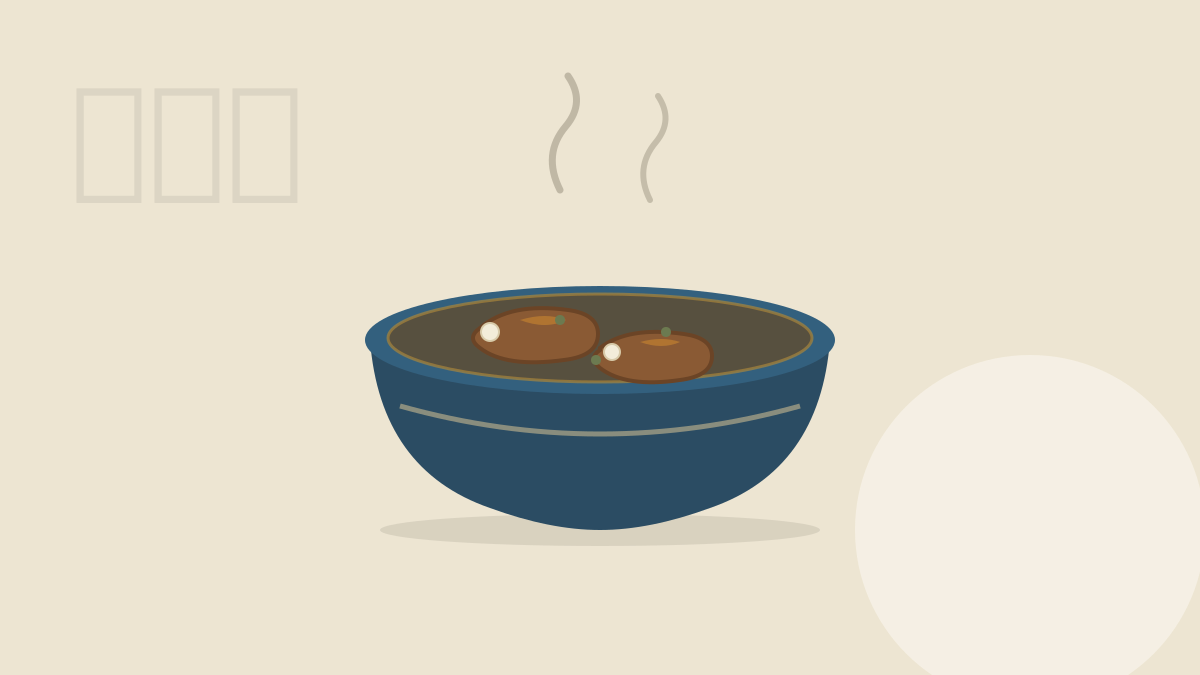
Okinawa's soy-and-awamori simmered pork spare ribs — the fall-apart soba topping that grew into a dish of its own. Slow-cooked, sweet-savory, and deeply islander.
By Japanese Cookbook Kitchen · June 14, 2026
沖縄 OkinawaMeiji era, 1868–1912
 居酒屋
居酒屋- Prep
- 20 min
- Cook
- 120 min
- Serves
- 4
- Level
- Intermediate
Sōki is what happens when a topping outgrows its bowl. The word simply means pork spare ribs in Okinawan, and for generations the ribs were simmered soft and sweet to crown Okinawa soba — that pairing, sōki soba, became one of the island's defining dishes as wheat noodles and a pork-rich kitchen came together over the Meiji era and after. Pork had been the protein of ceremony since the Ryūkyū Kingdom (1429–1879); simmering the tougher cuts low and slow was simply how you made the most of the whole animal, a principle Okinawan cooking takes seriously.
The method is patient but forgiving: blanch, then a long plain simmer to tenderize, then a second seasoned simmer in dashi, awamori, soy, and dark Okinawan sugar until the meat slides off the bone and the liquid turns to glaze. That awamori is the signature — its faint earthiness is what separates sōki from mainland kakuni. Lay the ribs over soba as tradition demands, or serve them alone with a spoonful of their own lacquer, and you'll understand why the topping refused to stay a topping.
Two simmers, not one: a plain water simmer to render and tenderize, then a seasoned one to glaze. Rush it into a single seasoned pot and the ribs turn salty before they turn tender.
板前の一言 · A word from the kitchen
Ingredients材料
Serves 4
For the ribs
- 800 gpork spare ribs — cut into 4–5 cm pieces; ask the butcher, or use meaty riblets
- 2 slicesginger
- 1scallion, white part
For the simmering liquid
- 400 mlawase dashi
- 100 mlawamori — the Okinawan rice spirit; sake works but awamori is the real note
- 4 tbspsoy sauce
- 3 tbspbrown sugar or kokutō — Okinawan black sugar deepens the color and the sweetness
- 2 tbspmirin
Method作り方
Step 1: Parboil the ribs
Cover the ribs with cold water, bring to a boil, and blanch for 3 minutes. Drain and rinse off the scum. This first pass keeps the finished glaze clean and the broth clear.
Step 2: First simmer — tenderize
Return the ribs to a clean pot with fresh water, the ginger, and the scallion, and simmer gently for about an hour until the meat is starting to give. This is where tenderness happens, before any salt goes near it.
Step 3: Second simmer — season
Drain, then simmer the ribs in the dashi, awamori, soy, sugar, and mirin for another 45–60 minutes. Keep it at a lazy bubble so the meat slides off the bone while the liquid reduces to a glaze.
Step 4: Reduce and glaze
Uncover for the last 15 minutes and spoon the liquid over the ribs as it thickens, until they're lacquered and glossy. Taste the sauce; it should be sweet-savory and rounded, not sharp.
Step 5: Serve
Serve the ribs on their own with the glaze, or lay them over hot Okinawa soba in a light broth — the way they first became famous. Either way, spoon extra sauce on top.
Questions from the kitchen
What does sōki mean?
Sōki is the Okinawan word for pork spare ribs. There are two common cuts: hone-sōki with the bone in, and the cartilage-rich nankotsu-sōki, prized for the soft gristle that goes gelatinous when simmered long enough.
Is sōki a soba topping or a dish?
Both, and the topping came first. Simmered sōki laid over Okinawa soba became sōki soba, one of the island's defining bowls, and the ribs proved good enough on their own that they're now served as a dish in their own right at izakaya.
Can I use sake instead of awamori?
You can, and it'll be delicious, but you'll miss a specific note. Awamori is Okinawa's own distilled spirit, and its faint earthiness is part of what makes sōki taste like Okinawa rather than mainland kakuni. Use sake if you must, awamori if you can.
次はこちら · Cook next
Keep the burner on
 居酒屋
居酒屋Izakaya · 25 min · Beginner
Gōya Chanpurūゴーヤーチャンプルー
Okinawa's bitter melon stir-fry with tofu, pork, and egg — the Ryūkyū Kingdom's everyday masterpiece, and the honest way to make peace with gōya.
 居酒屋
居酒屋Izakaya · 40 min · Beginner
Osaka Okonomiyakiお好み焼き
Osaka's cabbage-and-batter griddle cake with pork belly, sauce, and dancing katsuobushi — postwar street food perfected. Dashi in the batter is the difference.
 居酒屋
居酒屋Izakaya · 35 min · Intermediate
Chicken Karaage鶏の唐揚げ
Japanese fried chicken with a soy-ginger marinade, a potato-starch crust, and the double-fry that keeps it crackling — izakaya standard, home method.