Ninjin Shirishiri
にんじんしりしり
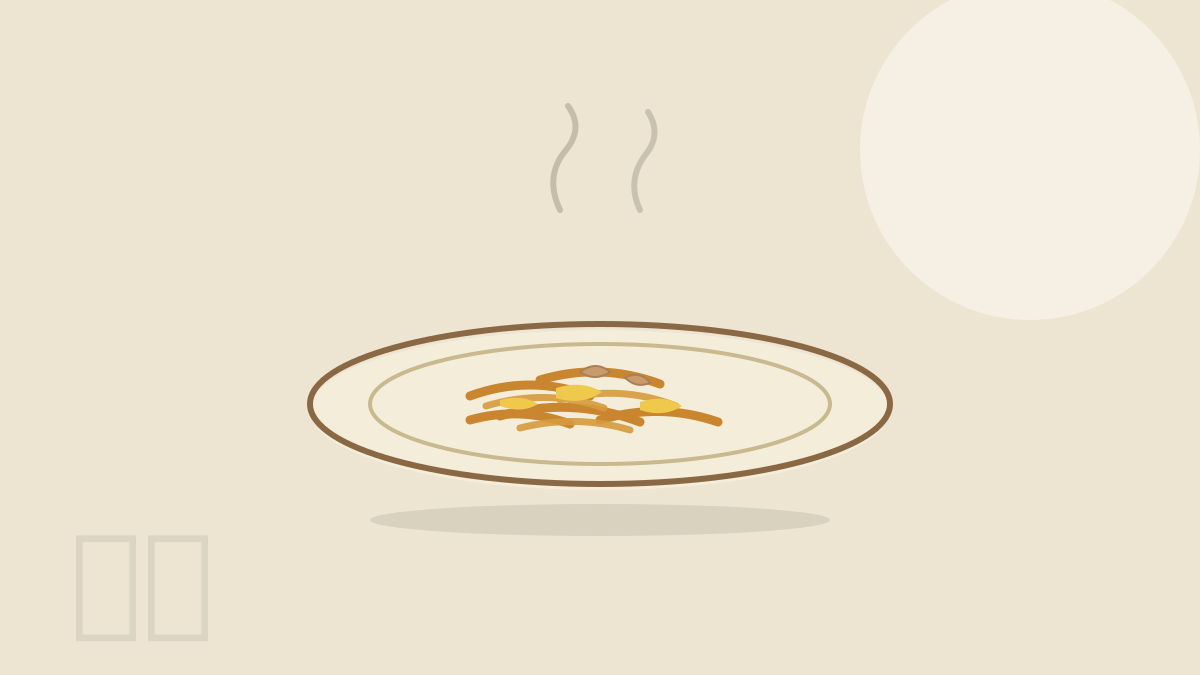
Okinawa's homey carrot-and-egg stir-fry, named for the shirishiri sound of the grater. Sweet, quick, and built for the lunchbox — the island's most quietly beloved side.
By Japanese Cookbook Kitchen · May 9, 2026
沖縄 OkinawaShōwa era, 1926–1989
 居酒屋
居酒屋- Prep
- 10 min
- Cook
- 8 min
- Serves
- 3
- Level
- Beginner
Ninjin shirishiri is Okinawan home cooking at its most unpretentious: grated carrot, egg, and often a tin of tuna, stir-fried into something sweet and warm and endlessly reheatable. Its name isn't a place or a person but a sound — the shirishiri-shirishiri of a carrot dragged across the island's characteristic wide-toothed grater. That grater, and the dish, belong to the Shōwa-era kitchen, when Okinawa was rebuilding after the war under American administration and the pantry filled with canned tuna, luncheon meat, and other imports that home cooks folded into island food.
What keeps it on the table is pure usefulness. Carrots are cheap and keep forever; eggs bind everything; the whole thing comes together in one pan in under ten minutes and tastes as good cold from a bentō as hot from the wok. It is the kind of dish nobody photographs and everybody misses when they leave home — Okinawa's answer to the humble side that quietly holds a meal together.
Grate the carrot on the coarse teeth, not the fine — you want ribbons with a little bite, not a wet purée. The name is the sound the grater makes; honor it.
板前の一言 · A word from the kitchen
Ingredients材料
Serves 3
- 3carrots — about 350 g, grated into thick shreds
- 2eggs, lightly beaten
- 1small can tuna, drained — the classic addition; canned tuna in oil arrived with the American era and never left
- 1 tbspneutral oil
- 1 tspdashi granules — or a splash of awase dashi if you keep it on hand
- 1 tbsplight soy sauce
- 1 tspmirin
- salt and white pepper
- katsuobushi, to finish
Method作り方
Step 1: Grate the carrot
Grate the carrots on the coarse holes of a box grater — or the shirishiri grater the dish is named for — into thick, uneven shreds. The ragged texture is the point; food-processor mush will steam rather than fry.
Step 2: Fry the carrot
Heat the oil over medium-high and stir-fry the carrot with the dashi granules until it softens and turns glossy, about 4 minutes. It should wilt but keep a faint crunch and go noticeably sweeter as it cooks.
Step 3: Add tuna and season
Fold in the drained tuna, then the soy and mirin, and toss for a minute so the seasoning coats every strand. Taste and adjust with salt and a little white pepper.
Step 4: Ribbon in the egg
Pour the beaten egg over the top, let it set for a few seconds, then fold it through in soft ribbons so it binds the carrot without turning to hard scramble. Kill the heat while it still looks barely done.
Step 5: Finish
Shower with katsuobushi and serve warm or at room temperature. It keeps beautifully overnight, which is exactly why it lives in so many Okinawan bentō boxes.
道具 · The tools
Equipment
Grater (oroshigane)
おろし金Fine, wet grating for ginger, daikon oroshi, and fresh wasabi — a Western microplane is close.
Shop on Amazon →
Equipment links are Amazon affiliate links. As an Amazon Associate we earn from qualifying purchases, at no cost to you. Disclosure.
Questions from the kitchen
What does shirishiri mean?
It's the onomatopoeia for the shirishiri-shirishiri sound the grater makes dragging through a carrot — Okinawan dialect, and one of the few dish names in Japan that is simply a noise. The traditional tool is a wide grater with square teeth that leaves thick shreds.
Can I leave out the tuna?
Absolutely — carrot and egg alone is the older, plainer version and is lovely. The canned tuna is a Shōwa-era addition, part of the wave of American canned goods that reshaped postwar Okinawan home cooking, and it makes the dish more of a meal.
Why is my shirishiri watery?
Usually the carrot was grated too finely or the pan wasn't hot enough, so it stewed instead of frying. Use coarse shreds, keep the heat up, and let the carrot's moisture cook off before you add the egg.
次はこちら · Cook next
Keep the burner on
 居酒屋
居酒屋Izakaya · 25 min · Beginner
Gōya Chanpurūゴーヤーチャンプルー
Okinawa's bitter melon stir-fry with tofu, pork, and egg — the Ryūkyū Kingdom's everyday masterpiece, and the honest way to make peace with gōya.
 居酒屋
居酒屋Izakaya · 40 min · Beginner
Osaka Okonomiyakiお好み焼き
Osaka's cabbage-and-batter griddle cake with pork belly, sauce, and dancing katsuobushi — postwar street food perfected. Dashi in the batter is the difference.
 居酒屋
居酒屋Izakaya · 35 min · Intermediate
Chicken Karaage鶏の唐揚げ
Japanese fried chicken with a soy-ginger marinade, a potato-starch crust, and the double-fry that keeps it crackling — izakaya standard, home method.