Jingisukan
ジンギスカン
Hokkaidō's lamb barbecue, child of a 1918 national sheep plan and named for Genghis Khan — soy-apple marinade, a ferociously hot pan, and a mountain of vegetables.
By Japanese Cookbook Kitchen · May 8, 2026
北海道 HokkaidōShōwa era, 1926–1989
 居酒屋
居酒屋- Prep
- 20 min
- Cook
- 15 min
- Serves
- 4
- Level
- Beginner
Jingisukan is what happens when a government buys sheep and nobody asks what's for dinner. After the First World War exposed Japan's dependence on imported wool, the state launched its million-sheep plan in 1918 and built five national sheep farms, two of them in Hokkaidō — Tsukisamu, now a Sapporo suburb, and Takikawa. Wool was the point; mutton was the surplus. Cooks tamed its gaminess with soy, apple, and ginger, borrowed a Mongolian conqueror's name for swagger, and by the postwar Shōwa years the smell of lamb smoke was Hokkaidō's summer perfume — beer gardens, riverbanks, company picnics.
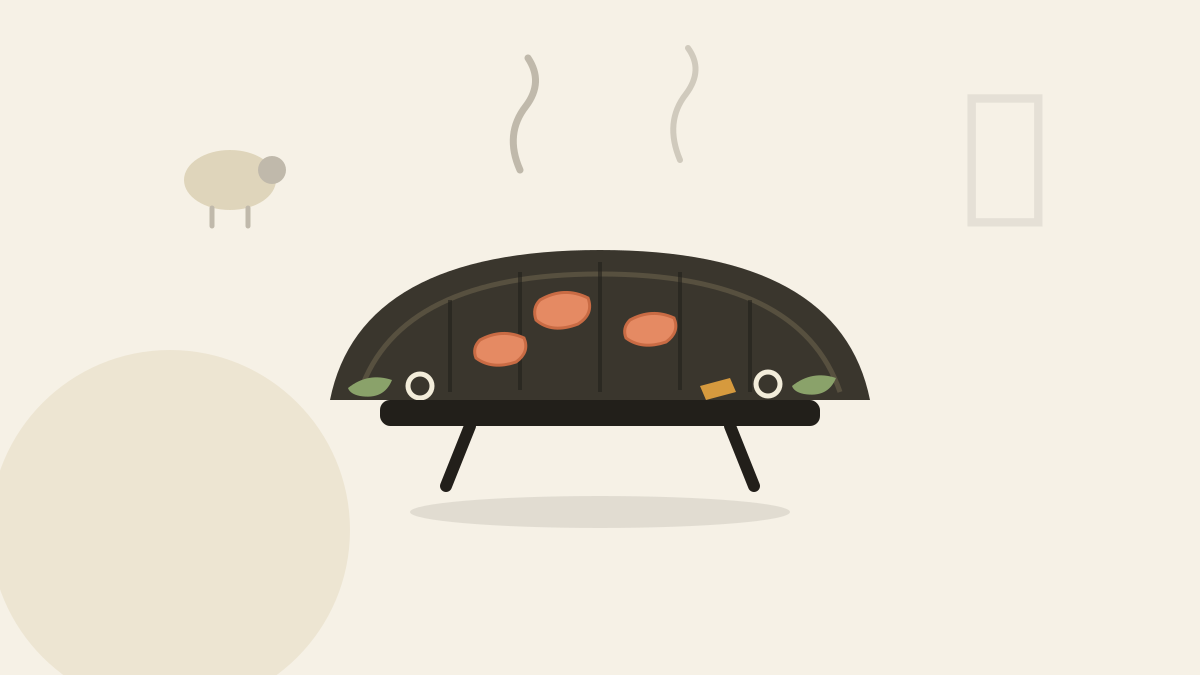
The proper pan is a domed cast-iron griddle, said to echo those soldiers' helmets — a legend, but a useful one, since the shape drains lamb fat down into the gutter of vegetables at the rim. A flat cast-iron skillet does the job at home if you keep the heat brutal and the batches small. Lamb this thin cooks in under a minute, and eating it in rounds, pan in the middle of the table, is the whole point.
Cook the lamb in small batches on real heat and pull it the moment it loses its pink. The vegetables can wait at the edge of the pan; overcooked lamb cannot be rescued by any amount of tare.
板前の一言 · A word from the kitchen
Ingredients材料
Serves 4
Marinade and tare
- 5 tbspsoy sauce
- 2 tbspsake
- 2 tbspmirin
- 1 tbspsugar
- 1/2apple, grated — the fruit sweetness is the Hokkaidō signature — pear works too
- 1/4onion, grated
- 1 clovegarlic, grated
- 1 tspgrated ginger
- 1 tbsptoasted sesame seeds
The pan
- 600 glamb shoulder, sliced 3-4 mm thin — part-freeze the meat for 40 minutes and it slices cleanly; or buy pre-sliced lamb from a Chinese hot-pot grocer
- 1onion, in thick rings
- 300 gcabbage, in wide squares
- 200 gbean sprouts
- 150 gkabocha, in thin slices
- 1green pepper, in strips
- 1 tbspneutral oil or lamb fat
Method作り方
Step 1: Make the tare and marinate
Simmer the soy, sake, mirin, and sugar for two minutes, then stir in the apple, onion, garlic, ginger, and sesame and cool. Toss half of it with the lamb and let it sit 30 minutes; the rest is your dipping sauce.
Step 2: Heat the pan past sensible
A cast-iron skillet or grill pan, oiled and heated until it just smokes. Jingisukan is a high-heat dish — a timid pan stews the lamb in its own marinade.
Step 3: Vegetables to the edges
Pile the onion, cabbage, sprouts, kabocha, and pepper around the rim of the pan. On the domed jingisukan griddle they sit in the gutter and catch the lamb's drippings; in a flat skillet, just keep them to the sides.
Step 4: Lamb in the middle
Lay slices in the center in a single layer and cook 30 to 40 seconds a side, until barely cooked through. Eat in rounds straight from the pan, replenishing as you go, rather than cooking everything at once.
Step 5: Dip and repeat
Dip each piece in the reserved tare as you eat. When the lamb is done, the vegetables — collapsed, sweet, soaked in drippings and sauce — are the cook's reward.
道具 · The tools
Equipment
Nonstick frying pan
フライパンFor chanpurū, gyoza, pancakes, and anything that needs a clean release and even browning.
Shop on Amazon →Flat griddle / teppan
鉄板A wide flat surface for okonomiyaki, monjayaki, and yakisoba — cast iron or an electric hot plate.
Shop on Amazon →Grater (oroshigane)
おろし金Fine, wet grating for ginger, daikon oroshi, and fresh wasabi — a Western microplane is close.
Shop on Amazon →
Equipment links are Amazon affiliate links. As an Amazon Associate we earn from qualifying purchases, at no cost to you. Disclosure.
Questions from the kitchen
Did Genghis Khan actually eat this?
No — the dish is a Japanese invention of the early twentieth century, and the name is pure theater. The story goes that Mongolian soldiers grilled mutton on their helmets, which is a legend; the domed pan and the name were marketing for a meat most Japanese had never tasted.
Why does Hokkaidō eat so much lamb?
Policy, not tradition. In 1918 the national government launched a plan to raise a million sheep for military wool, building five state sheep farms — including Tsukisamu in Sapporo and one at Takikawa. The wool mattered; the mutton was the leftover problem, and jingisukan, with its fruit-and-soy marinade, was the delicious solution.
What's the difference between Sapporo and Takikawa style?
Takikawa style marinates the lamb before cooking, which suits stronger mutton; Sapporo style grills it plain and dips after. This recipe splits the difference — a short marinade plus a dipping sauce — which is how most home cooks in Hokkaidō actually do it.
次はこちら · Cook next
Keep the burner on
 居酒屋
居酒屋Izakaya · 25 min · Beginner
Gōya Chanpurūゴーヤーチャンプルー
Okinawa's bitter melon stir-fry with tofu, pork, and egg — the Ryūkyū Kingdom's everyday masterpiece, and the honest way to make peace with gōya.
 居酒屋
居酒屋Izakaya · 40 min · Beginner
Osaka Okonomiyakiお好み焼き
Osaka's cabbage-and-batter griddle cake with pork belly, sauce, and dancing katsuobushi — postwar street food perfected. Dashi in the batter is the difference.
 居酒屋
居酒屋Izakaya · 35 min · Intermediate
Chicken Karaage鶏の唐揚げ
Japanese fried chicken with a soy-ginger marinade, a potato-starch crust, and the double-fry that keeps it crackling — izakaya standard, home method.