Sendai Gyūtan
牛タン焼き
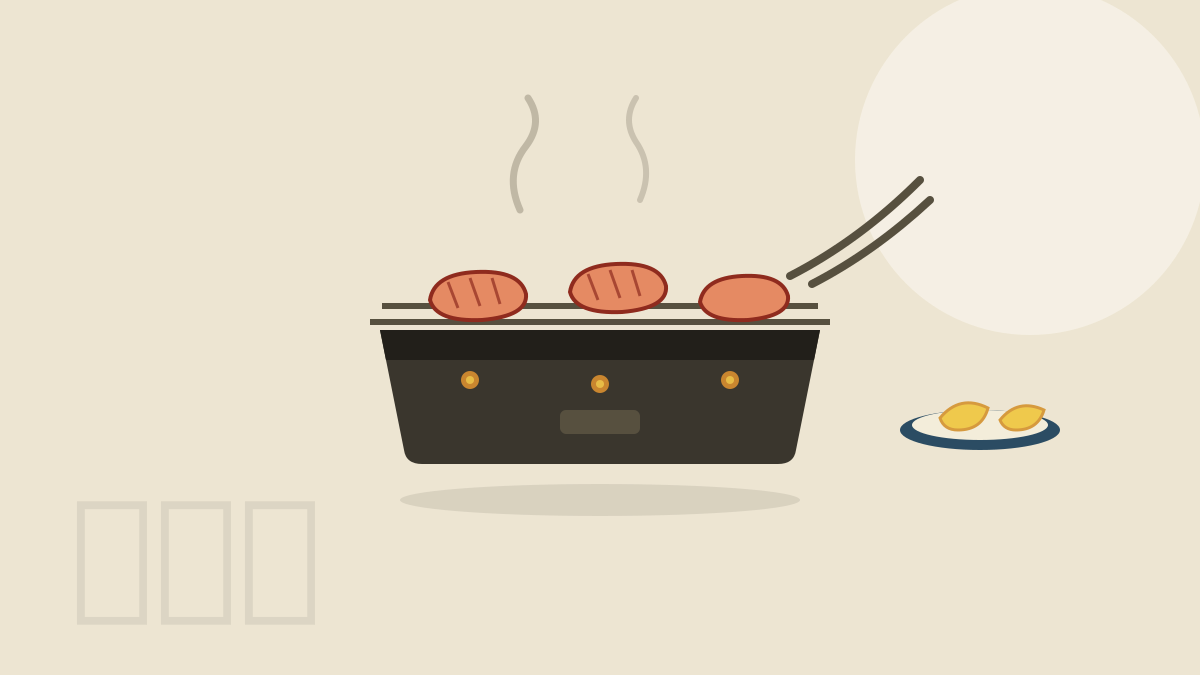
Sendai's grilled beef tongue, invented by yakitori cook Sano Keishirō in 1948 — thick-cut, salt-cured overnight, scored, and grilled hard until it snaps then yields.
By Japanese Cookbook Kitchen · May 14, 2026
 居酒屋
居酒屋- Prep
- 20 min
- Cook
- 15 min
- Serves
- 4
- Level
- Intermediate
Gyūtan is young by this site's standards, and refreshingly well documented. In 1948, in a Sendai still rebuilding from the war, a yakitori cook named Sano Keishirō opened a small restaurant called Tasuke and began serving thick slices of beef tongue, salted, rested, and grilled over charcoal. The popular legend — that he was salvaging tongues discarded by the American Occupation — makes a tidy story, but Sendai's own historians push back: tongue was scarce and Sano sought it out, refining the cure and the cut over years. Either way, a castle town built by Date Masamune ended up famous for a dish invented within living memory.
The technique is all discipline. A long salt rest — jukusei, aging — pulls the cut toward density and flavor; deep scoring shortens the fibers; then violence, briefly, over the hottest fire you own. Done right, the surface snaps and the center bounces back sweet and faintly mineral, closer to a great sausage than to any steak. Serve it the Sendai way with barley rice and you have postwar Tōhoku on a tray: frugality, promoted to a specialty.
The overnight salt rest is not optional — Sendai shops call it jukusei, aging, and it is what separates gyūtan from a slice of tongue with salt on it. Score deep; the cuts are for tenderness first and looks second.
板前の一言 · A word from the kitchen
Ingredients材料
Serves 4
- 600 gbeef tongue, peeled, cut into 8–10 mm slices — ask a butcher for the thicker mid-to-back section (tan-naka); the tip is chewy and belongs in stew
- 1.5 tspfine sea salt — about 1.2 percent of the meat's weight — enough to cure, not to crust
- coarsely ground black pepper
- 1lemon, in wedges
- 2scallions, finely sliced
Method作り方
Step 1: Score both sides
Cut shallow parallel slashes at 5 mm intervals across each slice, then repeat at an angle on the other side. Tongue is nearly all muscle that never rested a day in its life; the scoring shortens the fibers so heat can win.
Step 2: Salt and rest overnight
Salt both sides evenly, layer the slices in a container, cover, and refrigerate 24 to 48 hours. This cure pulls moisture, concentrates the beefiness, and firms the texture into that distinctive gyūtan snap.
Step 3: Bring to temperature
Take the tongue out 30 minutes before cooking and pat it dry. Cold meat on a hot grill steams before it sears, and steamed tongue is a rubber lesson.
Step 4: Grill hard and fast
Over your fiercest heat — charcoal if you have it, a screaming grill pan if not — cook about 90 seconds per side, until the scored surface chars at the ridges and the center stays barely blush. Grind pepper over as it comes off.
Step 5: Rest briefly and serve
Two minutes under foil, then serve with lemon and scallions. In Sendai it arrives as a teishoku with barley rice and oxtail soup; at home, a cold beer covers most of those duties.
道具 · The tools
Equipment
Suribachi & surikogi
すり鉢The ridged grinding bowl and wooden pestle for sesame, miso dressings, and hiyajiru.
Shop on Amazon →
Equipment links are Amazon affiliate links. As an Amazon Associate we earn from qualifying purchases, at no cost to you. Disclosure.
Questions from the kitchen
Who invented this, exactly?
Sano Keishirō, a yakitori cook from Yamagata, who opened the restaurant Tasuke in Sendai in 1948 and put salt-grilled tongue at the center of the menu. The oft-repeated story that he was using up surplus from Occupation forces is doubted even in Sendai — records suggest he simply fell for the cut and built a dish around it. The dish is documented; the GI-surplus tale is a legend.
Can I use the thin pre-sliced tongue from Asian or Latin markets?
Yes, with adjusted expectations — skip the scoring, shorten the cure to a few hours, and grill it in seconds rather than minutes. You will get excellent yakiniku-style tongue, which is a different, thinner pleasure than the thick Sendai cut.
What is the proper Sendai set?
Gyūtan teishoku: the grilled tongue, mugi-meshi (rice cooked with barley), tail soup made from the same animal's other end, and a little pickled cabbage with chili. The logic is postwar thrift arranged into a formal meal — nothing wasted, everything placed.
次はこちら · Cook next
Keep the burner on
 居酒屋
居酒屋Izakaya · 25 min · Beginner
Gōya Chanpurūゴーヤーチャンプルー
Okinawa's bitter melon stir-fry with tofu, pork, and egg — the Ryūkyū Kingdom's everyday masterpiece, and the honest way to make peace with gōya.
 居酒屋
居酒屋Izakaya · 40 min · Beginner
Osaka Okonomiyakiお好み焼き
Osaka's cabbage-and-batter griddle cake with pork belly, sauce, and dancing katsuobushi — postwar street food perfected. Dashi in the batter is the difference.
 居酒屋
居酒屋Izakaya · 35 min · Intermediate
Chicken Karaage鶏の唐揚げ
Japanese fried chicken with a soy-ginger marinade, a potato-starch crust, and the double-fry that keeps it crackling — izakaya standard, home method.