Fū Chanpurū
麩チャンプルー
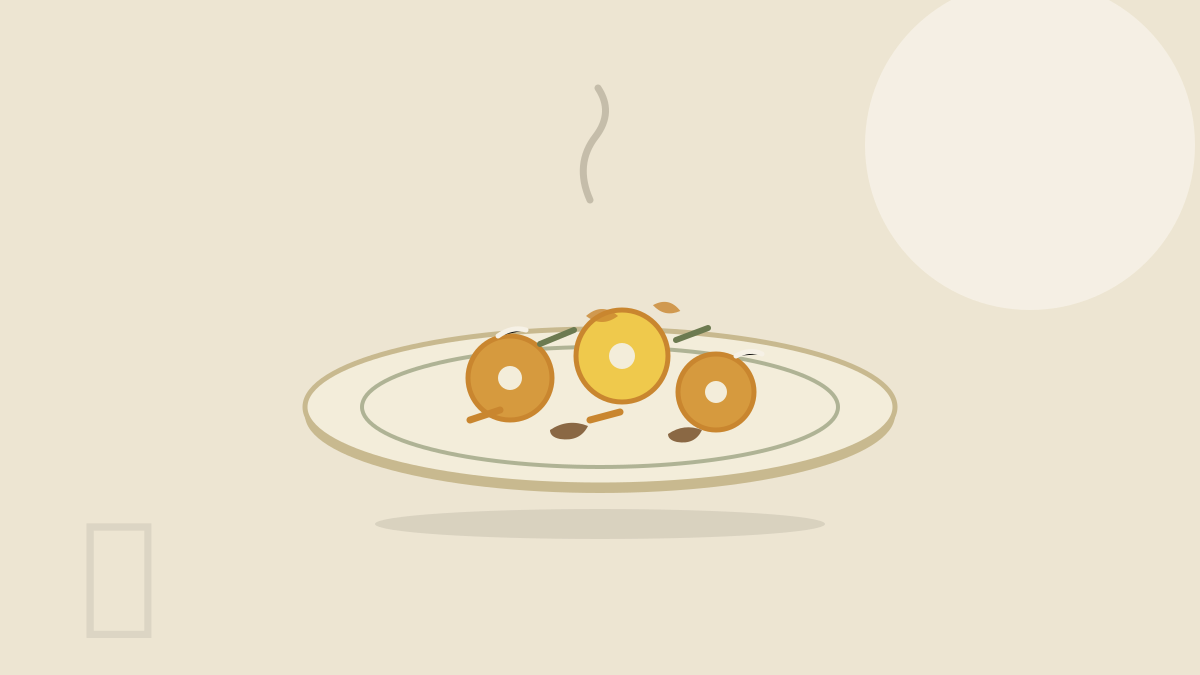
Okinawa's stir-fry of wheat gluten soaked in egg — kuruma-fu turned golden and savory, a postwar thrift dish that outlived the hard times that made it.
By Japanese Cookbook Kitchen · May 20, 2026
沖縄 OkinawaShōwa era, 1926–1989
 居酒屋
居酒屋- Prep
- 15 min
- Cook
- 10 min
- Serves
- 2
- Level
- Beginner
Chanpurū means "something mixed," and the Okinawan kitchen applies the method to whatever the pantry holds — gōya in summer, tofu always, and in the lean years of the twentieth century, fu. Wheat gluten had arrived in Japan centuries earlier through Buddhist temple kitchens, but Okinawa — which never observed the meat taboos — kept it for harder-headed reasons. Dried kuruma-fu costs little, survives typhoon season without a refrigerator, and in the scarcity that followed the Battle of Okinawa, when much of the island was fed from cans and ration lines, it stretched three eggs and a little pork into dinner for a family.
The technique is the pleasure here: the soaked wheels are wrung out, steeped in beaten egg until they've drunk it all, then fried to a golden, custardy chew that has no exact equivalent in any other cuisine — savory French toast is the nearest landmark. Postwar thrift cooking usually fades when the money comes back. Fū chanpurū stayed on the table, which tells you it was never only about the money.
Squeeze the soaked fu like a sponge you're fond of — firm enough to wring out the water, gentle enough not to tear it. What you leave inside is room for the egg, and the egg is the whole trick.
板前の一言 · A word from the kitchen
Ingredients材料
Serves 2
- 60 gkuruma-fu (dried wheel-shaped wheat gluten) — the big baked wheels; Okinawan fu is sturdier than the delicate mainland temple kind, so buy the thickest you can find
- 3eggs
- 1 tspsoy sauce, for the egg soak
- 100 gthin pork belly slices, in 4 cm pieces — canned luncheon meat is the loyal postwar understudy
- 1/2carrot, in matchsticks
- 100 gbean sprouts
- 3garlic chives (nira), in 4 cm lengths
- 1 tbspneutral oil
- 1 tbspsoy sauce
- 1/2 tspsalt
- katsuobushi, to finish
Method作り方
Step 1: Soak and squeeze the fu
Soak the fu wheels in water for 10 minutes until fully supple, then squeeze them firmly dry and tear into bite-size pieces. Dry matters — a waterlogged fu refuses the egg.
Step 2: Soak in egg
Beat the eggs with a teaspoon of soy sauce and steep the squeezed fu in the mixture for 5 minutes, turning once. The fu should drink up nearly all of it, like French toast with a savory education.
Step 3: Fry the fu first
Heat the oil over medium-high and fry the egg-soaked fu without crowding until golden on both faces, about 3 minutes. Set aside. Frying it first keeps the custardy pieces whole instead of scrambling them into the crowd.
Step 4: Stir-fry the rest
In the same pan, crisp the pork, then add carrot and bean sprouts and stir-fry 90 seconds — the sprouts should keep their squeak.
Step 5: Reunite and finish
Return the fu, add the nira, soy sauce, and salt, and toss for 30 seconds. Plate and shower with katsuobushi, which will wave at you as it warms. It always does.
Questions from the kitchen
What exactly is fu?
Wheat gluten — flour dough washed of its starch, then shaped and baked dry. It came to Japan through Buddhist temple cooking as a meat substitute, but Okinawa, never much for meat taboos, adopted it for cheerfully practical reasons: it keeps for months without refrigeration and soaks up whatever flavor you give it. Kuruma-fu, the wheel-shaped kind, is the standard for chanpurū.
Why did fu become such a staple in Okinawa?
Thrift and climate. In the lean postwar decades, when fresh protein was scarce and expensive and the subtropical heat spoiled what little there was, a shelf-stable protein that cost almost nothing earned its place in every pantry. Soaked in egg and fried, it ate rich enough that nobody felt shortchanged — and by the time prosperity arrived, Okinawans had simply decided they liked it.
Can I skip the egg soak and just scramble eggs in?
You'll get a decent stir-fry and miss the dish. The soak turns each piece of fu into a little savory custard with a fried-gold edge; egg scrambled alongside is just egg nearby. Five minutes of steeping is the cheapest upgrade in Okinawan cooking.
次はこちら · Cook next
Keep the burner on
 居酒屋
居酒屋Izakaya · 25 min · Beginner
Gōya Chanpurūゴーヤーチャンプルー
Okinawa's bitter melon stir-fry with tofu, pork, and egg — the Ryūkyū Kingdom's everyday masterpiece, and the honest way to make peace with gōya.
 居酒屋
居酒屋Izakaya · 40 min · Beginner
Osaka Okonomiyakiお好み焼き
Osaka's cabbage-and-batter griddle cake with pork belly, sauce, and dancing katsuobushi — postwar street food perfected. Dashi in the batter is the difference.
 居酒屋
居酒屋Izakaya · 35 min · Intermediate
Chicken Karaage鶏の唐揚げ
Japanese fried chicken with a soy-ginger marinade, a potato-starch crust, and the double-fry that keeps it crackling — izakaya standard, home method.