Chicken Nanban
チキン南蛮
Miyazaki's fried chicken dipped hot into nanban vinegar and buried under tartar sauce — a staff meal from a 1960s Nobeoka café that went on to conquer Japan.
By Japanese Cookbook Kitchen · May 21, 2026
 居酒屋
居酒屋- Prep
- 25 min
- Cook
- 20 min
- Serves
- 4
- Level
- Intermediate
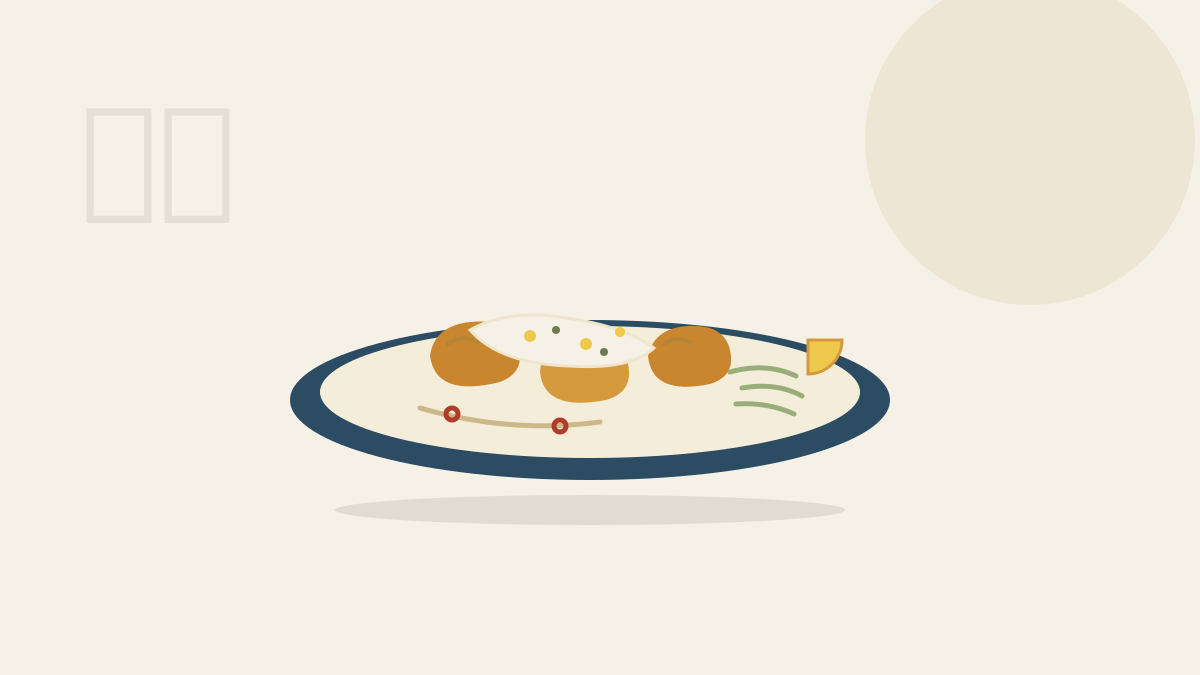
Chicken nanban is two eras shaking hands on one plate. The vinegar is old Kyūshū — nanban-zu, the sweet-sour chile marinade that entered Japan with the Portuguese trade through Nagasaki and got its name from them. The tartar sauce is pure postwar Shōwa, the age of the yōshoku café, when Western food arrived filtered through Japanese sensibilities and a certain optimism about mayonnaise. They met in Nobeoka, an industrial town in northern Miyazaki, where the café London fed its staff flour-and-egg fried chicken dunked in nanban vinegar. Two employees took the idea and opened their own places — Naochan, which still refuses tartar, and Ogura, which added it in the mid-1960s and accidentally wrote the national standard.
The technique is all about that egg coat. Karaage wears a hard starch shell; nanban chicken wears something closer to a crepe — flour, then a heavy drag of beaten egg, fried into soft golden waves whose entire purpose is to soak. Thirty seconds in the hot vinegar and the crust becomes something between fried and dressed, sharp and sweet at the edges, juicy underneath. Then the tartar, chunky with boiled egg and pickles, cool against the heat. Miyazaki serves it with shredded cabbage and no apology to your cardiologist.
The dunk happens while the chicken is still hissing from the oil — thirty seconds in the nanban vinegar, no longer. You want the crust to drink the sauce and keep a memory of crispness, not dissolve into it.
板前の一言 · A word from the kitchen
Ingredients材料
Serves 4
Chicken
- 600 gchicken thigh, in large bite-sized pieces — breast is the classic in Nobeoka and stays juicy here thanks to the egg coat — use it if you want orthodoxy
- 1/2 tspsalt
- 4 tbspflour
- 2eggs, beaten
Nanban vinegar
- 100 mlrice vinegar
- 80 mlsoy sauce
- 60 gsugar
- 1dried red chile, sliced into rings
Tartar sauce
- 2eggs, hard-boiled and chopped
- 1/4onion, minced and soaked in water 5 minutes
- 2 tbspchopped pickles (rakkyō or cucumber)
- 6 tbspmayonnaise — Kewpie if you have it; a squeeze of lemon and a pinch of sugar if you're using Western mayo
- neutral oil, for shallow frying
Method作り方
Step 1: Make the nanban vinegar
Warm the vinegar, soy, sugar, and chile just until the sugar dissolves, then pour into a wide dish that will fit the chicken. It should taste sharp, sweet, and slightly too intense — it's a dip, not a soup.
Step 2: Mix the tartar
Fold the chopped eggs, drained onion, and pickles into the mayonnaise with a grind of pepper. Make it chunky. Smooth tartar is a garnish; chunky tartar is a side dish, and Miyazaki is firmly in the second camp.
Step 3: Coat the chicken
Salt the chicken, dust every piece in flour, then drag it through the beaten egg so it carries a thick, drippy coat into the oil. The egg is what makes nanban nanban — it fries into a soft, wavy crust built to absorb vinegar.
Step 4: Shallow-fry
Fry in 2 cm of oil at 170°C, turning once, 6 to 8 minutes until deep gold and cooked through. Work in batches; a crowded pan steams the crust you just engineered.
Step 5: Dunk, drain, drown
Move each piece straight from the oil into the nanban vinegar, turn it over, count thirty seconds, and lift it out. Slice if you like, pile over shredded cabbage, and spoon the tartar over with more generosity than seems responsible.
道具 · The tools
Equipment
Suribachi & surikogi
すり鉢The ridged grinding bowl and wooden pestle for sesame, miso dressings, and hiyajiru.
Shop on Amazon →
Equipment links are Amazon affiliate links. As an Amazon Associate we earn from qualifying purchases, at no cost to you. Disclosure.
Questions from the kitchen
What does nanban mean here?
Nanban — "southern barbarian" — was the Edo-era word for the Portuguese and their trade, and it attached itself to the vinegar-and-chile escabeche style they left behind in Kyūshū. Chicken nanban borrows that old sweet-vinegar treatment and welds a mid-century café invention, tartar sauce, on top.
Where was chicken nanban actually invented?
Nobeoka, in northern Miyazaki, in the years around the 1960s — it began as a staff meal at a Western-style café called London, and two restaurants founded by its alumni still define the poles of the dish: Naochan, which serves it straight from the vinegar with no tartar, and Ogura, credited with adding the tartar sauce that the rest of Japan now assumes is mandatory.
Can I bake or air-fry it instead?
You can cook chicken that way, but the egg coat needs hot oil to set into its soft crust — dry heat turns it to a skin. If frying is off the table, use karaage-style starch coating instead and accept you've made vinegar-glazed karaage with tartar. Dinner will still vanish.
次はこちら · Cook next
Keep the burner on
 居酒屋
居酒屋Izakaya · 25 min · Beginner
Gōya Chanpurūゴーヤーチャンプルー
Okinawa's bitter melon stir-fry with tofu, pork, and egg — the Ryūkyū Kingdom's everyday masterpiece, and the honest way to make peace with gōya.
 居酒屋
居酒屋Izakaya · 40 min · Beginner
Osaka Okonomiyakiお好み焼き
Osaka's cabbage-and-batter griddle cake with pork belly, sauce, and dancing katsuobushi — postwar street food perfected. Dashi in the batter is the difference.
 居酒屋
居酒屋Izakaya · 35 min · Intermediate
Chicken Karaage鶏の唐揚げ
Japanese fried chicken with a soy-ginger marinade, a potato-starch crust, and the double-fry that keeps it crackling — izakaya standard, home method.