Imo Shōchū Oyuwari
芋焼酎のお湯割り
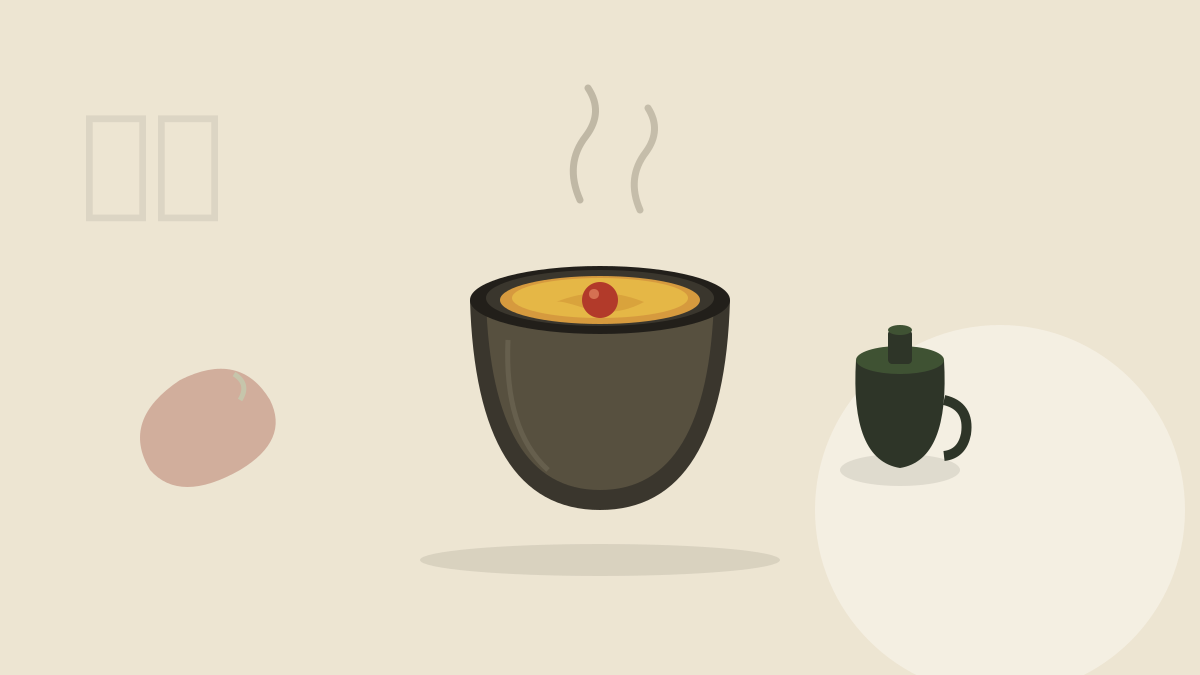
Southern Kyūshū's ritual pour — sweet-potato shōchū cut with hot water, water first, spirit second, so the earthy aroma blooms; the everyday drink of Kagoshima and Miyazaki.
By Japanese Cookbook Kitchen · July 6, 2026
九州 KyūshūMuromachi era, 1336–1573
 飲
飲- Prep
- 3 min
- Cook
- 0 min
- Serves
- 1
- Level
- Beginner
Imo shōchū oyuwari is less a cocktail than a small ceremony, and in southern Kyūshū it is performed nightly. Distilling arrived in the region by the sixteenth century, and the oldest documented mention of shōchū in all of Japan is wonderfully human: in 1559, two carpenters repairing the Kōriyama Hachiman shrine in present-day Kagoshima scratched a complaint into the woodwork under the roof, griping that their stingy priest had never once offered them shōchū. That rafter graffiti — a grumble about not getting a drink — is the earliest hard record of the spirit by name, and it fixes the sweet-potato distillate at the heart of Satsuma culture for the better part of five centuries.
The drink itself is defined by one insistent rule: hot water first, shōchū second. Southern Kyūshū holds to this as a matter of plain correctness, and the physics backs them up — spirit poured into standing hot water mixes itself on gentle convection and releases the earthy, roasted-sweet-potato aroma that imo shōchū is prized for. The classic roku-yon ratio, six parts spirit to four parts water, keeps it warming; an umeboshi in the cup is the old Kagoshima flourish. Pour it in the right order, let it rest, and sip it slowly — this is a spirit meant to be lingered over, not knocked back.
Hot water first, then the shōchū — never the other way around. Pouring the spirit into standing hot water lets it rise and mix on its own convection, and it coaxes the sweet-potato aroma up out of the glass. Reverse the order and you get a thinner, flatter drink.
板前の一言 · A word from the kitchen
Ingredients材料
Serves 1
- 90 mlimo-jōchū (sweet-potato shōchū) — a 25% honkaku (single-distilled) shōchū; kokutō or mugi shōchū also work but taste different
- 60 mlhot water — around 70–80°C, not boiling; boiling water scorches the aroma
- 1umeboshi — optional; a pickled plum dropped in is the traditional Kagoshima touch
Method作り方
Step 1: Warm the vessel
Rinse a thick-walled cup or a traditional choka flask with hot water and discard it. A warmed vessel holds the drink's temperature and its aroma; cold ceramic pulls both down fast.
Step 2: Pour the hot water first
Pour the hot water into the cup before the shōchū. This is the whole ritual of oyuwari and southern Kyūshū is firm about it — water first, spirit second — because the pour that follows will mix the drink for you.
Step 3: Add the shōchū and let it mix itself
Pour the shōchū gently down into the hot water. Convection currents draw the spirit up and blend the two without stirring; the classic ratio here is 6 parts shōchū to 4 parts water, the "roku-yon" pour, adjustable to taste. Resist the urge to stir hard.
Step 4: Rest, then drink warm
Let it settle for thirty seconds so the temperature evens out to a gentle warmth and the sweet-potato aroma rises. Drop in an umeboshi if you like the old Kagoshima way, and sip it slowly alongside something salty — this is a drink for a long, unhurried evening.
Questions from the kitchen
Why does the pouring order matter?
Because it does the mixing for you and it lifts the aroma. Hot water is less dense than cool shōchū, so pouring the spirit into standing hot water sets up gentle convection currents that blend the drink evenly without a spoon — and that motion, plus the warmth, carries the earthy sweet-potato fragrance up to your nose. Kagoshima and Miyazaki drinkers treat water-first as simple correctness, not superstition.
How old is shōchū, really?
Distilling reached Kyūshū by the sixteenth century, and the oldest documented mention of shōchū in Japan is a piece of graffiti: in 1559, two carpenters restoring the Kōriyama Hachiman shrine in what is now Kagoshima scrawled a complaint under the roof that the stingy priest never once gave them shōchū to drink. That grumble, tucked into the rafters, is the earliest hard record of the spirit by name.
What ratio should I use?
The southern-Kyūshū default is roku-yon, six parts shōchū to four parts hot water, which keeps the drink assertive and warming. Beginners often prefer go-go, an even fifty-fifty, or even yon-roku the other way for a gentler pour. Adjust freely — but always keep the hot water going in first.
次はこちら · Cook next
Keep the burner on
 飲
飲Drinks · 15 min · Beginner
Amazake甘酒
Naturally sweet rice-koji ferment with roots in the Nara chronicles — a non-alcoholic, no-sugar drink Edo peddlers sold as a summer energy tonic.
 飲
飲Drinks · 5 min · Beginner
Matcha, Whisked Properly抹茶
How to whisk usucha — thin matcha — at home the Uji way: right water temperature, a proper chasen, and the wrist. Non-alcoholic, ready in a minute.
 飲
飲Drinks · 15 min · Beginner
Mugicha麦茶
Roasted barley tea — caffeine-free, faintly sweet, the sound of a Japanese summer. Roast your own grain or cold-brew a jug; from warlord's mugiyu to the fridge.