Tokyo Lemon Sour
レモンサワー
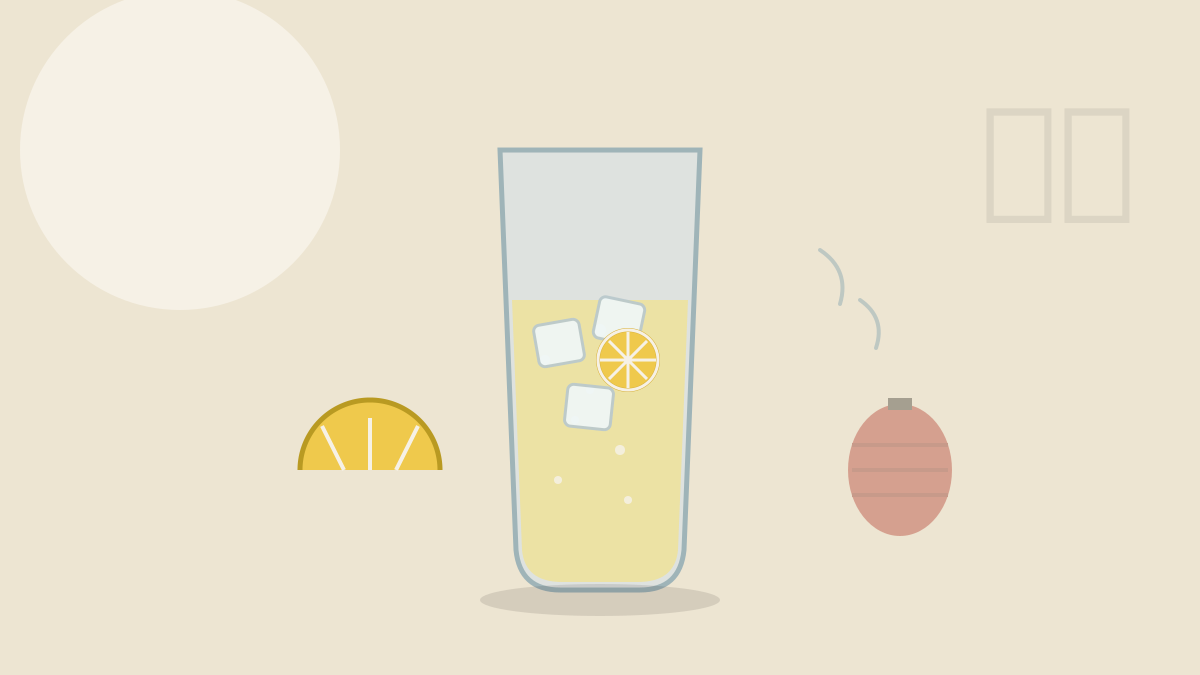
The shōchū-and-soda highball that rules Tokyo's old-town izakaya — built properly, with real lemon, the right shōchū, and colder ice than you think you need.
By Japanese Cookbook Kitchen · June 30, 2026
 飲
飲- Prep
- 5 min
- Cook
- 0 min
- Serves
- 1
- Level
- Beginner
The lemon sour is not a cocktail so much as a civic institution. In the shitamachi — Tokyo's low-lying old town, the world of Shōwa-era workshops and after-work counters — it is what you order without thinking: clean shōchū, soda, a hard squeeze of lemon, bottomless and cheap. A Nakameguro izakaya is usually credited with the first one in the postwar decades, and the city has been refining the pour ever since.
Refining is the word. There is almost nothing to a lemon sour, which is exactly why the details decide it: neutral kōrui shōchū so the citrus leads, carbonation guarded like a secret, and ice hard and cold enough to keep the whole thing sharp instead of watery. Get those right and you understand why Tokyo drinks tens of millions of these a summer — and why the good bars still argue about the ice.
The enemy is dilution and warmth. Chill the glass, the shōchū, and the soda before they ever meet, and the drink stays sharp to the last sip.
板前の一言 · A word from the kitchen
Ingredients材料
Serves 1
One glass
- 45 mlkōrui shōchū — the clean, near-neutral white shōchū (about 25% abv); a plain vodka stands in acceptably
- 30 mlfresh lemon juice — from half a lemon, plus a wheel to drop in
- 90 mlcold plain soda water — strong carbonation; flat soda makes a flat sour
- 1 tspsugar syrup — optional; leave it out for the bone-dry shitamachi style
- a tall glass of hard ice — large clear cubes melt slower than a scoop of cracked ice
Method作り方
Step 1: Chill everything first
Put the glass in the freezer while you juice the lemon. A warm glass is the difference between a crisp sour and a sad, watery one three minutes later.
Step 2: Build in the glass
Fill the cold glass to the top with hard ice. Pour in the shōchū, the lemon juice, and the syrup if using, and stir briefly to marry and chill them.
Step 3: Add soda without killing the fizz
Tilt the glass and pour the cold soda down the side, then lift the ice once with a bar spoon — a single gentle stir, no more. Every extra stir is carbonation you're throwing away.
Step 4: Finish
Drop in the lemon wheel and serve immediately, while it still bites.
Questions from the kitchen
What is shōchū, and which kind do I want?
Shōchū is Japan's distilled spirit, made from barley, sweet potato, rice, or sugar. For a lemon sour you want kōrui — the clean, column-distilled, nearly neutral style — so the lemon and soda lead. Save the characterful honkaku (single-distilled) imo shōchū for drinking with hot water instead.
Why is this the drink of the shitamachi izakaya?
The lemon sour was born in Tokyo's working-class old town in the postwar Shōwa years, when a Nakameguro bar is often credited with pouring the first one. Cheap, clean shōchū plus soda made a bottomless, low-cost highball for after-work crowds — and it never left.
What's the frozen-lemon trick?
Many Tokyo bars now freeze whole lemons and grate or press them straight into the glass, so the fruit chills the drink instead of diluting it. At home, freezing your lemon wheels and juicing cold lemons gets you most of the way there.
次はこちら · Cook next
Keep the burner on
 飲
飲Drinks · 15 min · Beginner
Amazake甘酒
Naturally sweet rice-koji ferment with roots in the Nara chronicles — a non-alcoholic, no-sugar drink Edo peddlers sold as a summer energy tonic.
 飲
飲Drinks · 5 min · Beginner
Matcha, Whisked Properly抹茶
How to whisk usucha — thin matcha — at home the Uji way: right water temperature, a proper chasen, and the wrist. Non-alcoholic, ready in a minute.
 飲
飲Drinks · 15 min · Beginner
Mugicha麦茶
Roasted barley tea — caffeine-free, faintly sweet, the sound of a Japanese summer. Roast your own grain or cold-brew a jug; from warlord's mugiyu to the fridge.