Battera
バッテラ
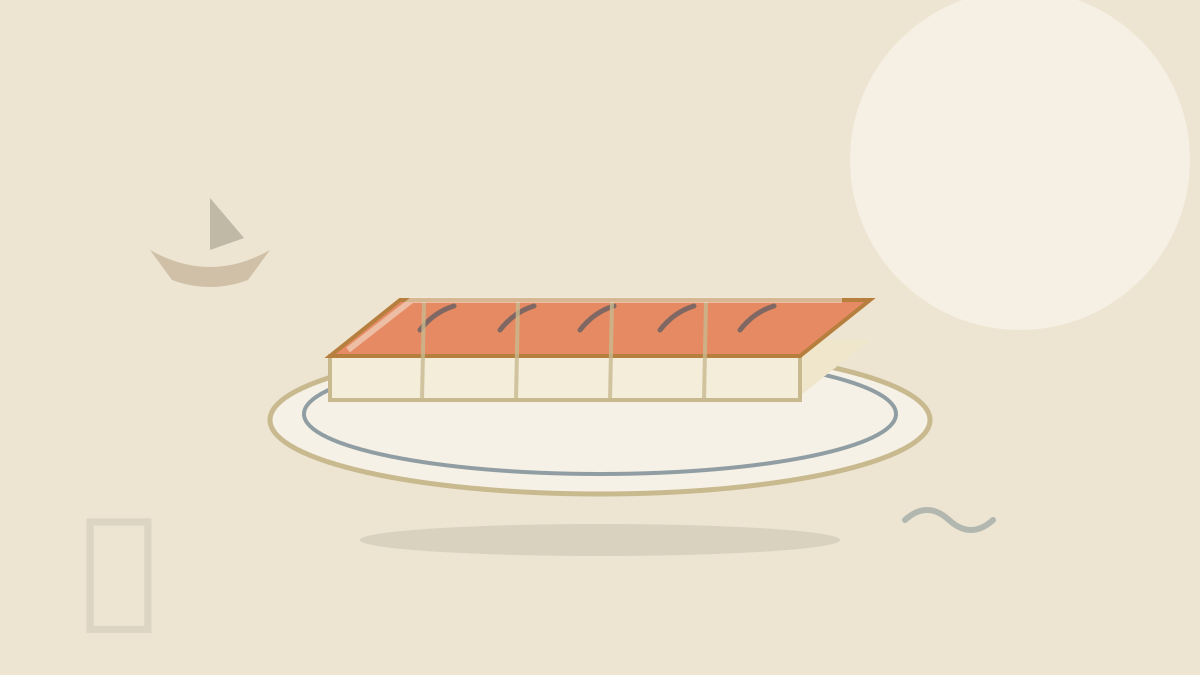
Osaka's pressed mackerel sushi — cured saba and vinegared rice squared off in a mold. Named for the Portuguese bateira, the little boat it once resembled.
By Japanese Cookbook Kitchen · May 22, 2026
 寿司
寿司- Prep
- 50 min
- Cook
- 25 min
- Serves
- 4
- Level
- Advanced
Battera is what happened when Osaka's merchant pragmatism met a fish that spoils fast. Mackerel came up from the sea heavily salted — the old "saba kaidō" mackerel roads ran from the Wakasa coast to the Kansai cities — and vinegar finished the preservation job that salt began. The pressed form is pure Osaka: oshizushi, sushi made in a wooden mold, is the region's older tradition, predating Tokyo's hand-formed nigiri by centuries. The name is the good part. The story goes that a Meiji-era sushi shop pressed konoshiro — gizzard shad — with the tail left on, and the shape reminded someone of a bateira, Portuguese for a small boat. The shad grew expensive; cheap, rich mackerel took its place; the boat name stayed aboard.
The dish is an exercise in layers doing quiet work — vinegared fish, a translucent sheet of sweet-simmered shiraita kombu, seasoned rice, all pressed until they agree to be one thing. No mold? A plastic-lined loaf pan and a firm hand produce a battera that would pass in Osaka, if perhaps not at the counter of a shop with opinions. Slice it clean, eat it at room temperature, and note how the kombu you almost skipped is the thing you remember.
Wet everything — the mold, the knife, your hands. Sushi rice is a determined adhesive, and battera's clean edges are the difference between a loaf and a mess. Wipe the blade between every single cut.
板前の一言 · A word from the kitchen
Ingredients材料
Serves 4
Cured mackerel
- 2 filletsvery fresh mackerel (saba), pin-boned — or buy shime saba, ready-cured frozen fillets from a Japanese grocery — a respectable shortcut, and safer besides
- 4 tbspsea salt
- 200 mlrice vinegar
- 1 tbspsugar
Sushi rice
- 300 gJapanese short-grain rice
- 4 tbsprice vinegar
- 1½ tbspsugar
- 1 tspsalt
To press & finish
- 1 sheetshiraita kombu (shaved white kombu) — optional but traditional in Osaka — a translucent, sweet-simmered veil over the fish; skip it rather than substitute
- an oshizushi mold, or a small loaf pan lined with plastic wrap
Method作り方
Step 1: Cure the mackerel
Bury the fillets in salt and refrigerate for 90 minutes, then rinse, pat dry, and steep in the vinegar and sugar for 30 minutes more. The salt firms and seasons; the vinegar brightens and half-cooks. Peel off the transparent outer skin and slice the fillets horizontally so they lie flat and even.
Step 2: Make the sushi rice
Cook the rice, then fold in the warmed vinegar, sugar, and salt while it steams, cutting and turning rather than stirring. Fan it as you go. You want it at body temperature for pressing — hot rice cooks the cured fish, cold rice refuses to bond.
Step 3: Build in the mold
Wet the mold or line a loaf pan with plastic wrap leaving a generous overhang. Lay the mackerel skin-side down in a tight mosaic, drape the shiraita kombu over it, then pack in the rice evenly to about 3 cm deep, pressing into the corners.
Step 4: Press with conviction
Set the lid — or fold the wrap over and use a second loaf pan — and press down firmly with your body weight for a slow count of twenty. Let it rest, weighted, for 20 minutes. Pressing is what marries fish to rice; a timid press falls apart at the knife.
Step 5: Unmold and slice
Turn the loaf out fish-side up and cut into 2 cm slices with a wet knife, wiping the blade between cuts. Serve at room temperature with soy for dipping if you like, though a good battera needs nothing.
道具 · The tools
Equipment
Oshizushi mould
押し寿司型The wooden box that presses battera, masu-zushi, and iwakuni-zushi into sharp layered blocks. A loaf pan stands in.
Shop on Amazon →
Equipment links are Amazon affiliate links. As an Amazon Associate we earn from qualifying purchases, at no cost to you. Disclosure.
Questions from the kitchen
Where does the name battera come from?
From Portuguese — bateira means a small boat, one of the words that arrived with sixteenth-century traders and missionaries. The story goes that a Meiji-era Osaka sushi shop first pressed gizzard shad whose upturned tail made each piece look like a little boat; the name stuck even after mackerel replaced the shad and the shape went rectangular.
Can I really eat mackerel that's only been cured, not cooked?
Salt-and-vinegar curing is the traditional treatment, but curing does not kill anisakis parasites — freezing does. Japanese fishmongers sell saba intended for shime saba pre-frozen for exactly this reason. Buy sashimi-grade or previously frozen fish, or buy ready-made shime saba and skip the anxiety along with the work.
What's the difference between battera and saba-zushi?
Geometry and geography. Kyoto's saba-zushi is a rounded log of whole fillet on hand-formed rice, wrapped in kombu. Osaka's battera is pressed square in a mold, uses thinner fish, and wears a translucent sheet of shiraita kombu. Same fish, two cities, two temperaments.
次はこちら · Cook next
Keep the burner on
 寿司
寿司Sushi & Sashimi · 75 min · Intermediate
Iwakuni-zushi岩国寿司
Iwakuni's layered pressed sushi — "samurai sushi" built tall in a wooden frame for the castle above the Kintaikyō, remade at home in a humble loaf pan.
 寿司
寿司Sushi & Sashimi · 80 min · Intermediate
Okayama Barazushiばら寿司
Okayama's lavish scattered sushi — seafood and vegetables heaped over vinegared rice, a feast that folk history says outwitted a lord's frugality edict.
 寿司
寿司Sushi & Sashimi · 65 min · Intermediate
Edomae Chirashi-zushiちらし寿司
Scattered sushi from the Edo fish market — soy-cured tuna, sweet shrimp, and golden egg over seasoned rice. A home chirashi built on cooked and cured toppings.